
Aphids
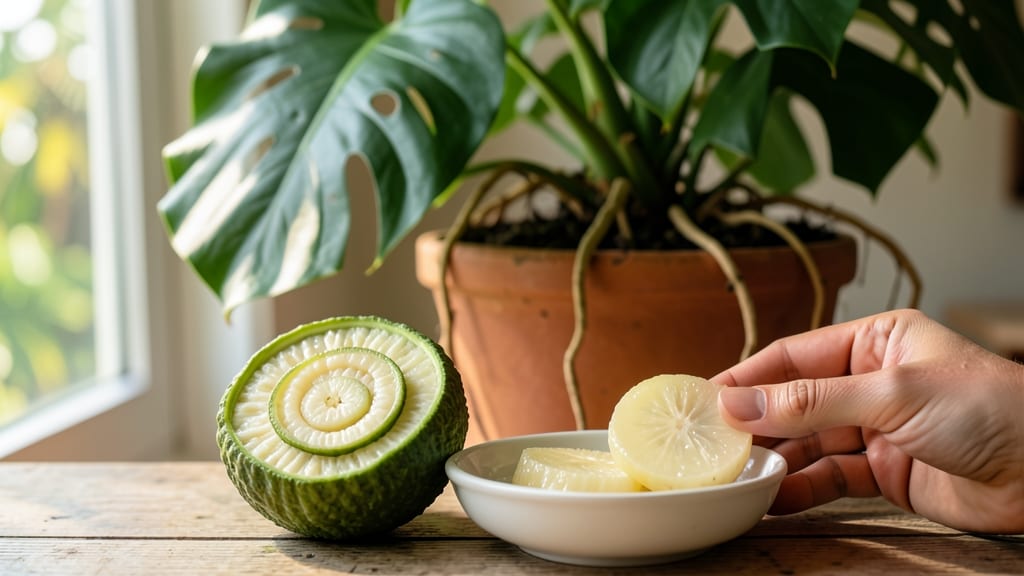
The edible benefits of Monstera deliciosa fruit include high vitamin C content, powerful antioxidants like polyphenols, and essential minerals such as potassium and magnesium, though raw consumption may irritate due to calcium oxalate crystals. Proper cooking transforms it into a nutrient-rich, tropical-flavored treat with digestive advantages.
The tropical fruit from the Monstera deliciosa plant packs a nutritional punch that rivals many exotic fruits. 🌿 While its raw form contains compounds that can cause mild irritation, cooking neutralizes these effects while preserving its vibrant vitamin C content—similar to what you'd find in oranges or kiwis.
The fruit's unique flavor profile, often described as a mix of pineapple and banana with a hint of citrus, makes it a standout ingredient in smoothies or baked goods.
Many Central American cultures have long valued this fruit for its digestive benefits and immune-boosting properties, making it a versatile addition to both traditional and modern diets.
What makes Monstera fruit particularly interesting is how its nutrient profile evolves as it ripens. Younger, green fruits contain higher levels of calcium oxalate, which is why proper preparation is crucial.
Once fully ripe and yellow, the fruit becomes not only safer to eat but also richer in antioxidants that support heart health. I've found that lightly roasting the fruit enhances its natural sweetness while bringing out deeper caramel notes, making it a delicious way to enjoy these nutritional benefits.
💡 In This Article
- Nutritional Breakdown of Monstera Deliciosa Fruit
- How to Safely Prepare and Consume Monstera Fruit
Nutritional breakdown of Monstera deliciosa fruit
Monstera deliciosa fruit is a nutritional powerhouse, particularly when fully ripe. A 100-gram serving delivers approximately 150% of your daily vitamin C needs, comparable to guava or camu camu—the world's vitamin C-richest fruits. This citrus-like vitamin isn't just for immune support; it also aids collagen production and iron absorption.
The fruit also contains polyphenolic antioxidants like quercetin and kaempferol, which have been linked to reduced inflammation and improved heart health in studies.
Mineral-wise, the fruit shines with potassium (320mg per 100g), making it a great alternative to bananas for muscle function and blood pressure regulation. Magnesium levels sit around 25mg per 100g, supporting nerve function and energy metabolism.
What's fascinating is how ripening transforms the fruit's nutrient availability—green, unripe fruits contain higher calcium oxalate levels (up to 0.5% by weight) but develop more accessible antioxidants as they turn yellow. This explains why traditional Central American recipes always call for fully ripe fruit.
The fruit's tropical flavor profile—often described as a blend of pineapple, banana, and citrus—comes from its natural sugar content (around 15-20g per 100g), primarily fructose and glucose. This makes it a great natural sweetener alternative, though the sugar content is slightly lower than mango or papaya.
The texture changes dramatically with ripeness too: firm and crunchy when green, it becomes creamy and almost custard-like when fully ripe, similar to a ripe avocado but with a sweeter taste.
What sets Monstera apart from other tropical fruits is its low glycemic index (GI ~45) when consumed in moderation, making it a better choice for blood sugar management than watermelon or grapes.
The fiber content (about 2.5g per 100g) also contributes to digestive health by promoting regularity and feeding beneficial gut bacteria. This fiber-antioxidant combination explains why many indigenous cultures have used Monstera fruit traditionally to treat digestive issues and boost immunity.
For comparison, let's look at how it stacks up against other tropical fruits per 100g serving:
- Vitamin C: Monstera (30mg) vs. Orange (53mg) vs. Kiwi (93mg)
- Potassium: Monstera (320mg) vs. Banana (358mg) vs. Mango (168mg)
- Antioxidants: Monstera (high polyphenols) vs. Blueberries (anthocyanins) vs. Acai (flavonoids)
The key takeaway is that while Monstera fruit may not match some fruits in single nutrients, its balanced profile—combining vitamin C, antioxidants, and minerals—makes it a well-rounded addition to a healthy diet when prepared properly.
The ripening process actually enhances its nutritional benefits, which is why patience in selecting fully ripe fruit pays off both nutritionally and gastronomically. 💛