
Trees
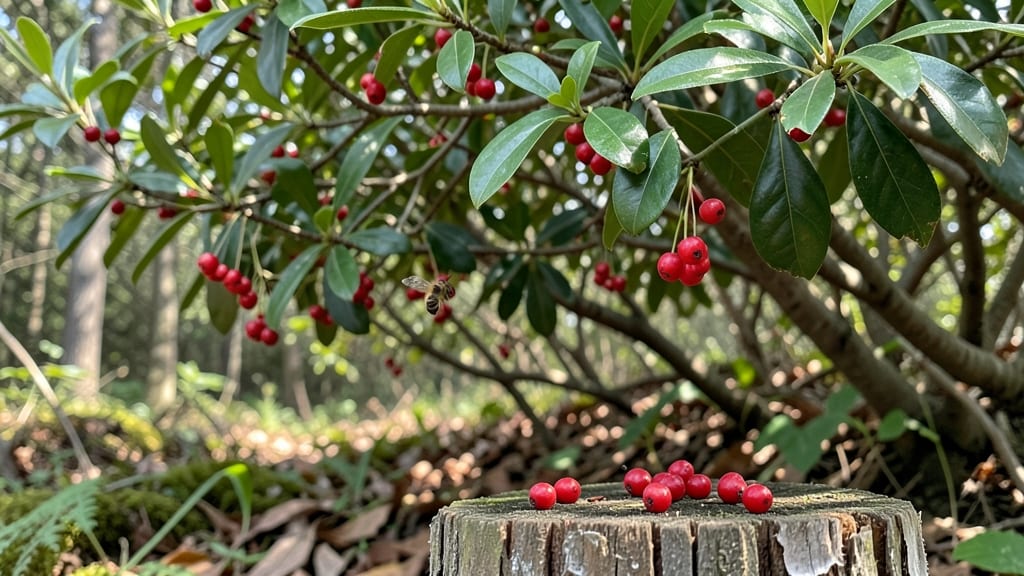
Missouri’s diverse climate demands fruit trees that survive harsh winters and thrive with minimal care. These 10 native varieties produce delicious harvests while supporting local ecosystems—no fancy fertilizers or constant pruning required.
American Persimmon for Wild Sweet Harvests
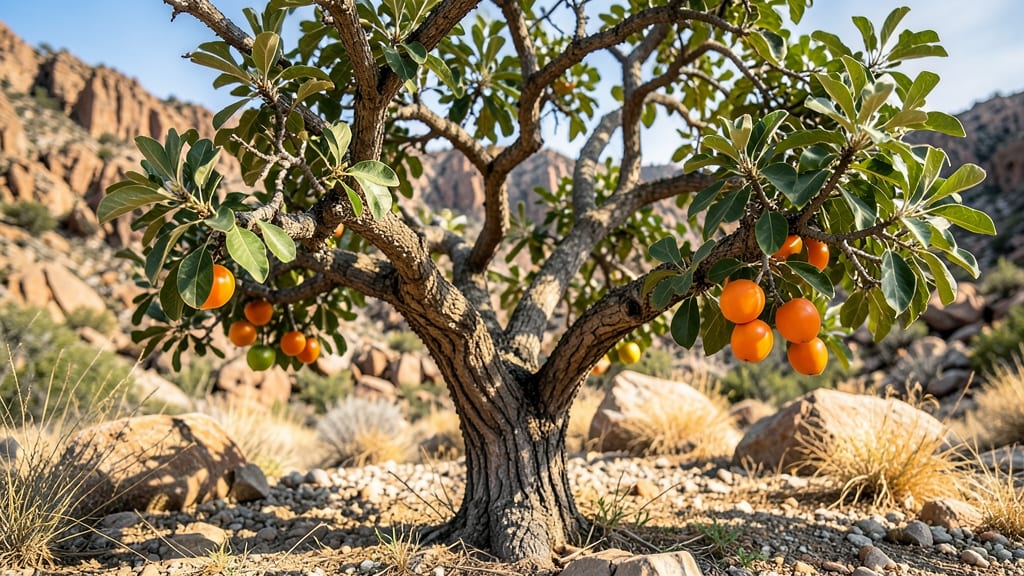
Tired of fruit trees that demand perfect soil or constant watering? The American persimmon thrives where others fail—even in Missouri’s rocky, drought-prone corners. Its bright orange fruit only ripens when fully sweet, ensuring a naturally perfect harvest you can share with wildlife or enjoy fresh.
This hardy tree handles poor soil and drought conditions with ease, making it ideal for neglected yard edges or woodland gardens. Plant it in full sun to partial shade for best results, and watch as birds, deer, and even turkeys flock to its sweet bounty. The fruit’s astringency fades only when fully ripe—nature’s built-in quality control!
Perfect for low-maintenance gardeners or those restoring native ecosystems, the American persimmon delivers both beauty and sustenance with almost no effort. 🌟
Pawpaw Trees Produce Tropical-Flavored Berries
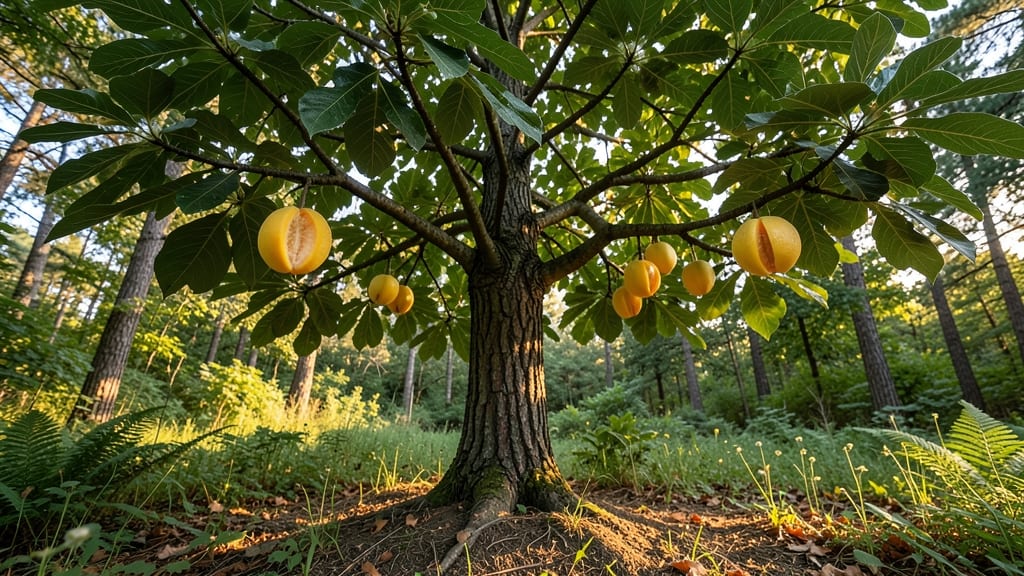
Imagine biting into a fruit that tastes like a mix of mango and banana—right here in Missouri! The pawpaw tree (Asimina triloba) delivers that tropical flavor in its custard-like berries, making it one of the most unique native fruit trees you can grow.
This Missouri native thrives in moist, wooded areas with partial shade, though it tolerates full sun in cooler climates. The tree attracts hummingbirds and beetles (its primary pollinators), turning your garden into a buzzing ecosystem. For best results, plant in well-draining soil and give it space—pawpaws can grow up to 20 feet tall! Berries ripen in late summer to early fall, offering a short but sweet harvest window.
Perfect for forest gardeners or those with shaded yards, pawpaws reward patience with their exotic fruit and lush foliage. 🌿
Serviceberry Bushes for Year-Round Interest
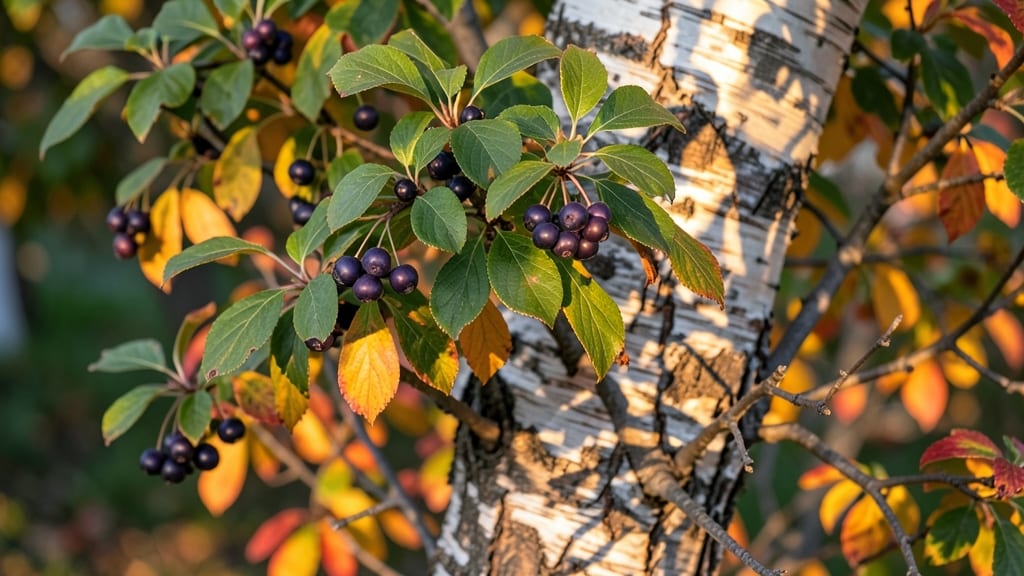
Looking for a Missouri native plant that delivers beauty and bounty without the fuss? The serviceberry bush (Amelanchier spp.) is your answer—a compact powerhouse that gives you edible berries in summer, showstopping fall foliage, and textured winter bark all in one tidy package.
This versatile shrub thrives in full sun to partial shade and handles Missouri’s clay soils with ease. Plant it as a privacy screen (it grows 10–20 feet tall but can be pruned smaller) or tuck it into foundation plantings. The sweet-tart berries ripen in late summer, attracting birds while providing you with snacks or jam ingredients. In autumn, its leaves blaze yellow, orange, and red, and even the peeling bark adds winter interest.
Perfect for small yards, urban gardens, or pollinator-friendly landscapes, serviceberry requires almost no maintenance. Once established, it’s drought-tolerant and resistant to deer—ideal for busy gardeners who still want a low-maintenance, high-impact native plant. 🌟
Elderberry Shrubs Resist Disease Naturally
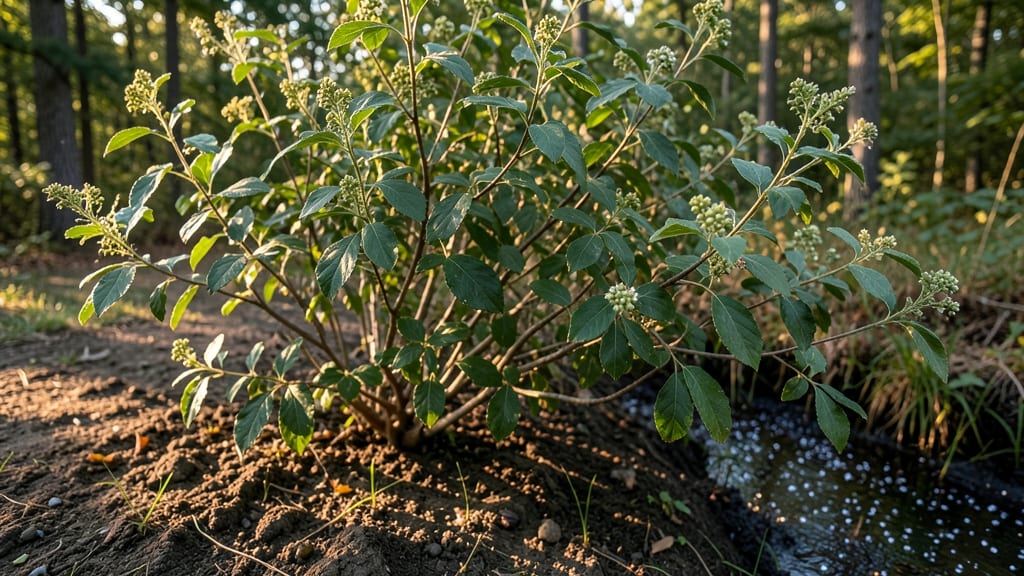
If you're looking for a low-maintenance shrub that practically grows itself while offering medicinal benefits, elderberry is your answer. These hardy shrubs thrive in both wet and dry soils, making them incredibly adaptable to Missouri's varied climate—whether you have a boggy corner or a sunny border.
Elderberry's fast growth (up to 3 feet per year) means you'll have a productive harvest in just a few seasons. The purple berries are packed with antioxidants and have been used for centuries in syrups, teas, and immune-boosting remedies. Plus, their white spring flowers attract pollinators like bees and butterflies, making them a pollinator magnet. Unlike many fruit-bearing plants, elderberries rarely suffer from pests or diseases, giving you worry-free growing.
This versatile shrub is perfect for homesteaders, herbalists, and pollinator gardeners alike. Plant a few along fences or borders for both beauty and bounty—you'll be harvesting berries in as little as two years! 🌿
Blackhaw Viburnum for Wildlife Foraging
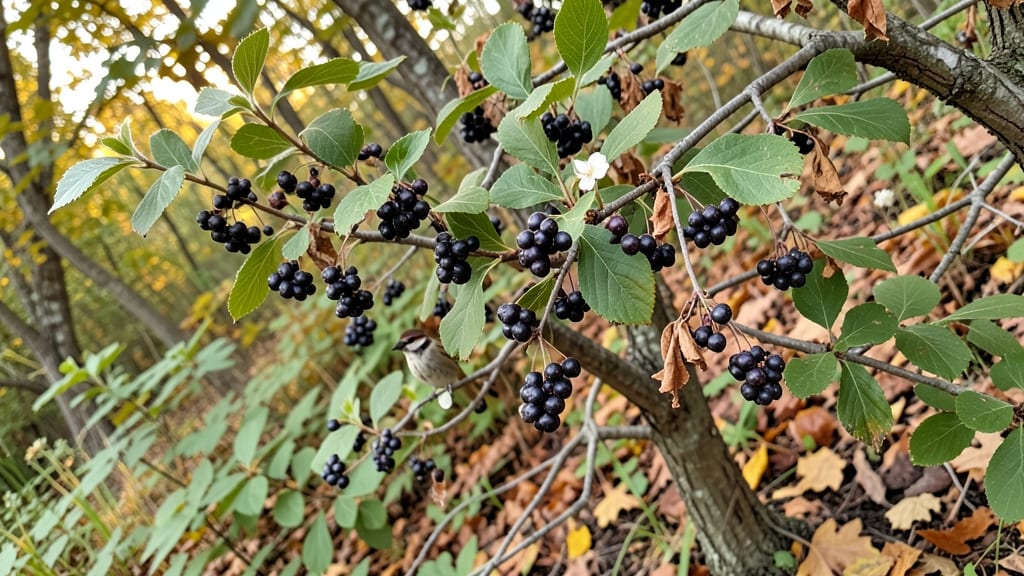
If you’re looking for a low-maintenance Missouri native that doubles as a wildlife magnet, look no further than blackhaw viburnum (Viburnum prunifolium). This underrated shrub produces clusters of dark purple-black berries that birds adore—and humans can harvest for jellies or teas once fully ripe in late summer.
The real magic lies in its adaptability: it thrives in partial shade, tolerates urban pollution, and even handles compacted soil. Plant it along fences, in rain gardens, or as a foundation shrub—its glossy leaves and fragrant spring blooms add year-round interest. Just be prepared for hungry birds to strip the berries before you can!
Perfect for city gardeners, pollinator enthusiasts, and anyone who wants edible landscaping with zero fuss. Plus, its disease resistance means fewer pesticides and more time enjoying the wildlife show. 🌱
Wild Plum Trees with Early Spring Blooms
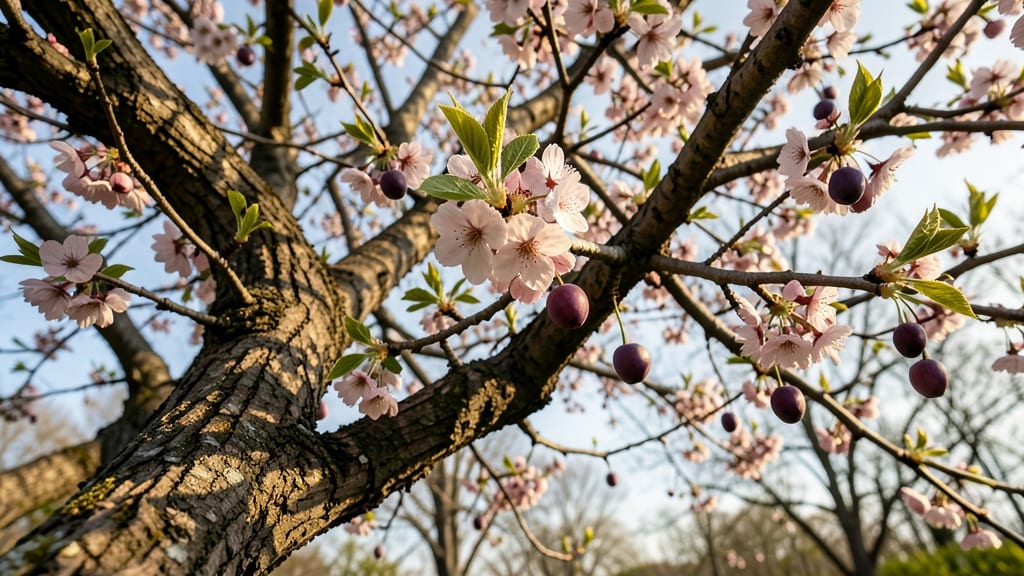
Brighten your early spring garden with wild plum trees, Missouri’s unsung heroes that burst into bloom before most fruit trees even think about waking up. Their delicate pink-white flowers signal the arrival of warmer days, while their tart plums offer a harvest perfect for homemade preserves.
These hardy trees thrive in full sun to partial shade and develop drought tolerance once established, making them ideal for Missouri’s unpredictable spring rains and summer dry spells. Unlike many fruit trees, wild plums resist common diseases like fire blight and brown rot, requiring minimal spraying or intervention. Simply plant in well-drained soil and enjoy their low-maintenance beauty and bounty.
Perfect for homesteaders, jam-makers, and wildlife enthusiasts, wild plums attract pollinators and provide food for birds. Their early blooms also make them a standout feature in any native landscape. 🌷
Hawthorn Trees for Ornamental and Edible Fruit
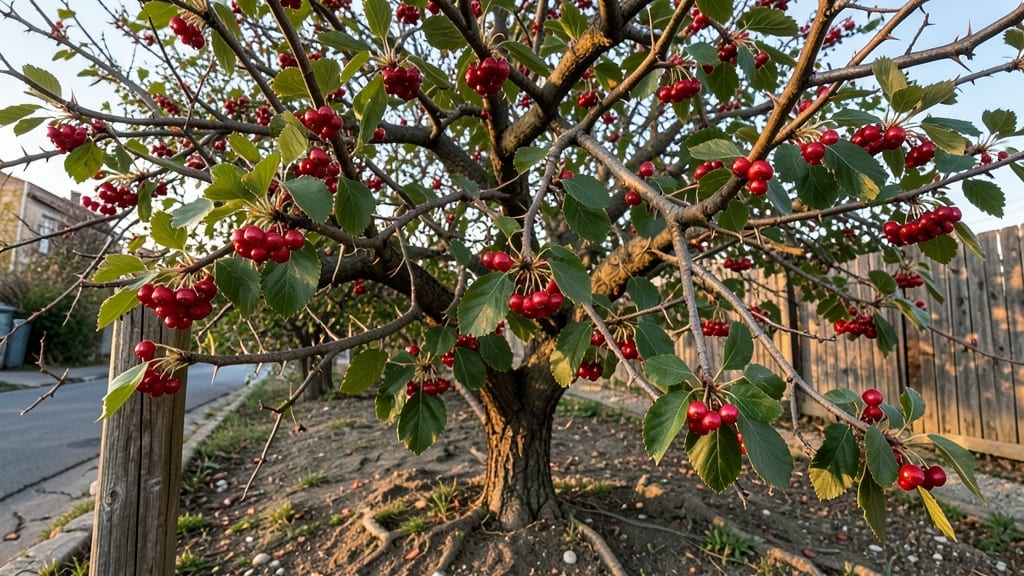
Looking for a low-maintenance Missouri native that doubles as both a living fence and a fruit producer? Hawthorn trees deliver with their thorny branches and clusters of bright red berries—perfect for jellies, wines, or bird feeders.
These resilient trees thrive in poor soil and urban conditions, tolerating drought and pollution once established. Plant them along property lines to create a natural barrier while enjoying their spring blooms and autumn berries. Prune lightly to shape the dense foliage, but otherwise, they require minimal care.
Ideal for urban homesteaders or gardeners with limited space, hawthorns add beauty and function without the fuss of high-maintenance fruit trees. 🌻
American Cranberrybush Viburnum for Winter Color
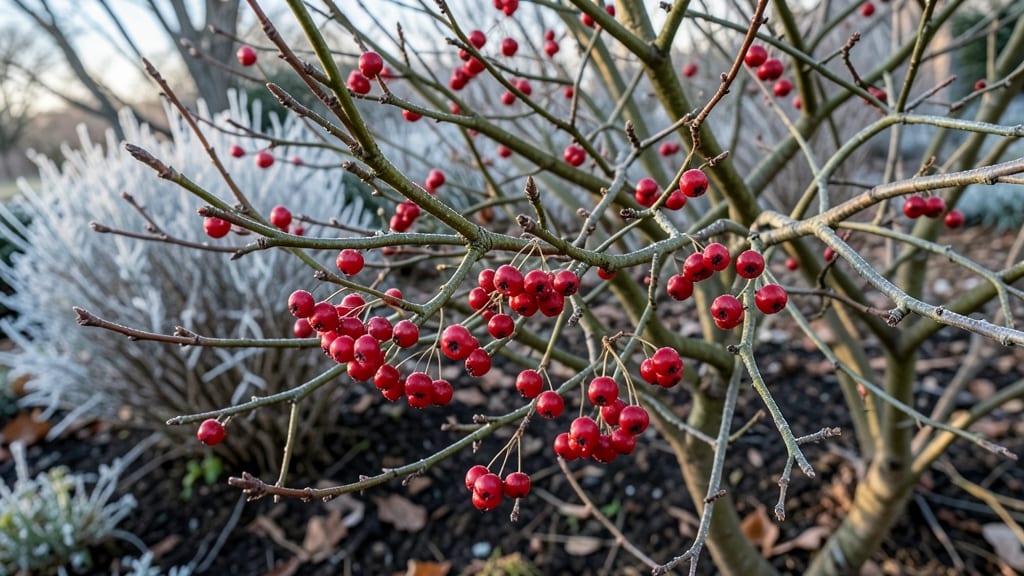
When winter strips most gardens bare, the American cranberrybush viburnum stands out like a holiday decoration—its bright red berries cling to the branches long after the leaves have fallen. Unlike other Missouri natives that fade into dormancy, this shrub delivers year-round visual interest with minimal effort.
This hardy shrub thrives in full sun to partial shade, making it versatile for borders, hedges, or woodland edges. Its berries attract birds like cardinals and robins, which help control garden pests naturally. Prune lightly in late winter to shape it, but otherwise, it requires almost no maintenance beyond occasional watering during droughts.
Perfect for gardeners who want beauty without the fuss, this native shrub also supports pollinators in spring with fragrant white flowers. Plant one to keep your landscape vibrant from summer through winter. ✨
Chokecherry Trees with Medicinal Properties
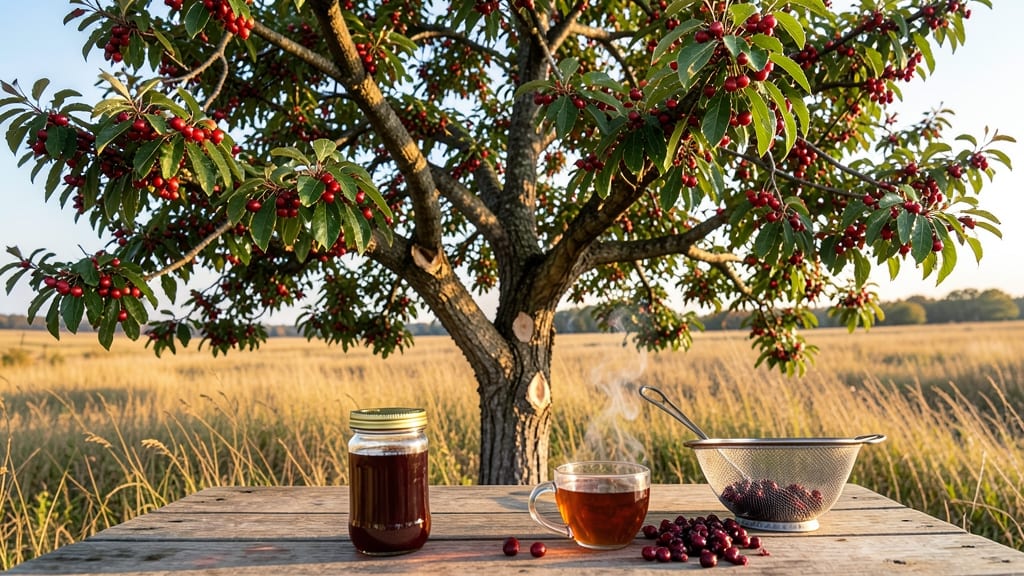
Looking for a Missouri native fruit tree that doubles as a medicinal powerhouse? Chokecherry trees deliver tart berries packed with antioxidants—perfect for homemade teas, syrups, or even jams. Their fast growth and drought resistance make them ideal for large properties, windbreaks, or even erosion control on slopes.
These trees thrive in full sun to partial shade and tolerate a wide range of soil types, though they prefer well-drained conditions. Once established, they require minimal watering, making them a low-maintenance choice for busy gardeners. Prune lightly in late winter to shape the tree and encourage fruit production, but avoid heavy pruning, as chokecherries respond best to natural growth.
Best for homesteaders, herbalists, or anyone seeking a multi-purpose tree, chokecherries offer both practical and health benefits without the fuss. Their berries are a boon for immune support, and their dense foliage provides year-round interest. 🌟
Spicebush for Unique Flavor and Pollinators

If you’ve ever wanted a Missouri native plant that doubles as a culinary spice and a pollinator magnet, spicebush is your answer. This underrated shrub thrives in shaded woodland edges, where it produces fragrant leaves and bright red berries that add a unique, slightly citrusy flavor to teas and seasonings.
Native birds and butterflies adore its berries, while its glossy, aromatic foliage deters pests naturally. Plant it in partial to full shade with well-draining soil—it’s one of the few Missouri natives that flourishes with almost no maintenance. The berries ripen in late summer, offering a late-season treat for wildlife and foragers alike.
Perfect for gardeners with shady spots or those seeking a low-fuss plant that supports ecosystems, spicebush is the ultimate dual-purpose shrub. 🌿