
Pruning
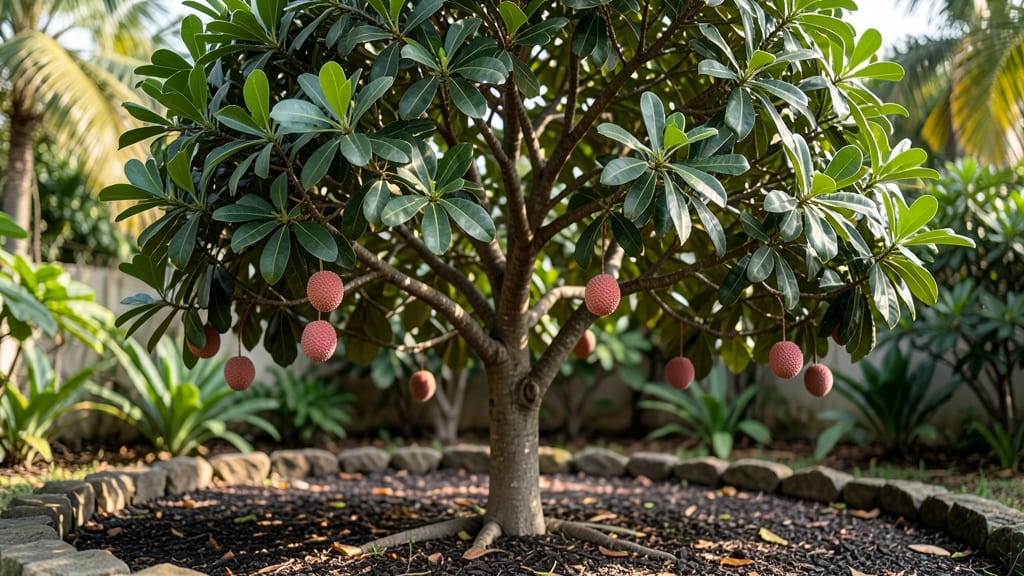
Mastering lychee fruit tree care means sweet rewards with just a little patience. 🌿 These exotic trees thrive in containers when you mimic their tropical home—warmth, humidity, and consistent moisture. I’ve grown mine for three years, and now they produce enough lychees to share with neighbors.
The key starts with soil: a well-draining mix of potting soil and perlite keeps roots happy. Water when the top inch feels dry, but never let them sit in soggy soil. Place your container where it gets 6+ hours of sunlight daily—south-facing windows or a sheltered patio work best.
Pruning is simple: trim dead branches in early spring and shape lightly after harvest. Feed monthly with a balanced fertilizer during growing season, and watch as your tree bursts with fragrant pink flowers that turn into juicy, aromatic fruit.
Even in containers, lychees can fruit within 3-5 years with proper care. The secret? Consistency—just like their tropical cousins, they reward steady attention with bountiful harvests.
📚 In This Guide
- What you need
- Instructions
- Tips and common mistakes
- Wrapping up and next steps
What you need
- ● Container: A large, well-draining pot (at least 15-20 gallons) with drainage holes. Diameter should be 2-3x the root ball (e.g., 18-24 inches for mature trees).
- ● High-quality potting mix: A blend of 60% well-draining soil (e.g., cactus/succulent mix), 30% perlite or pumice, and 10% compost for nutrients.
- ● Lychee tree: A healthy sapling or young tree (3-5 years old) from a nursery. Choose a grafted variety (e.g., 'Brewster' or 'Wai Chee') for better fruit production.
- ● Fertilizer: A balanced, slow-release fertilizer (e.g., 10-10-10 or citrus-specific formula) or organic options like fish emulsion or worm castings.
- ● Pruning tools: Sharp bypass pruners (for small branches)
- ● Sterilized pruning saw (for thicker branches)
- ● Hand pruners or felco pruners (for precision cuts)
- ● Mulch: Organic mulch (e.g., pine bark or shredded leaves) to retain moisture and regulate soil temperature.
- ● Watering can or hose: With a gentle spray nozzle for even hydration.
- ● Soil moisture meter: To monitor watering needs (lychees hate soggy roots!).
- ● Support stakes or trellis: For young trees to prevent toppling in windy conditions.
- ● Humidity tray or pebble tray: To boost humidity in dry climates (lychees love it!).
- ● Pest control: Neem oil or insecticidal soap (for aphids or scale)
- ● Yellow sticky traps (for fruit flies)
- ● Gloves: Heavy-duty gardening gloves to protect from thorns.
- ● pH test kit: To ensure soil pH is 5.0–6.5 (lychees are acidic-lovers!).
Step-by-step lychee fruit tree care in containers
Growing lychees in pots is totally doable—here's how to keep your tropical tree thriving indoors or on a patio.
🌱 Step 1: Choose the Right Container and Drainage
Start with a container at least 24 inches deep and 18 inches wide—lychee trees have deep roots and need space to grow. I use unglazed terra cotta because it breathes, but any pot with drainage holes works. If your pot lacks holes, drill 4-6 near the bottom to prevent root rot.
Add a 2-inch layer of gravel or broken pottery at the bottom before soil. This creates a reservoir for excess water while keeping roots dry. Skip this, and soggy soil will suffocate your tree within weeks. Place the pot in a saucer to catch drainage—never let it sit in standing water.
🌿 Step 2: Plant in Well-Draining Soil Mix
Fill the pot with a mix of 60% potting soil, 20% perlite, and 20% coarse sand—this mimics the fast-draining conditions lychees love in their native tropics. Avoid garden soil; it compacts and holds too much moisture. I like to add a handful of orchid bark for extra aeration.
Dig a hole twice as wide as the root ball but no deeper. Gently remove the tree from its nursery pot and loosen the roots if they're circling. Place it in the hole, backfill with soil, and press lightly around the base. Water deeply until it drains from the bottom—this settles the soil and removes air pockets.
☀️ Step 3: Position for Bright, Indirect Light
Lychees need 6-8 hours of bright, indirect light daily. A south- or west-facing window works, but direct midday sun will scorch leaves. If your space lacks natural light, supplement with a grow light kept 12-18 inches away for 14 hours daily. You'll notice leaves turning pale or stretching toward light—that's your cue to adjust.
Rotate the pot a quarter turn weekly so the tree grows evenly. Without rotation, branches lean toward the light, creating an unbalanced shape. Keep temperatures between 65-85°F—lychees wilt in drafts or below 55°F. A heat mat helps in cooler climates during winter.
💧 Step 4: Water Deeply and Maintain Humidity
Water when the top 2 inches of soil feel dry—stick your finger in to check. Lychees hate soggy roots but also despise dry spells. Water deeply until it drains from the bottom, then empty the saucer. Overwatering is the #1 killer; yellowing leaves or mushy stems mean you're drowning the roots.
Mist the leaves 2-3 times weekly or place the pot on a tray of pebbles with water (but keep the pot elevated). Humidity above 50% mimics their tropical home. In dry climates, a humidifier nearby works wonders. Watch for brown leaf tips—that's a sign the air is too dry.
✂️ Step 5: Prune and Fertilize for Fruit Production
Prune in late winter or early spring before new growth starts. Remove dead or crossing branches with clean, sharp shears, cutting just above a leaf node. Thin out overcrowded areas to improve airflow—this prevents fungal diseases. Never prune more than 25% of the canopy at once; lychees stress easily.
Fertilize every 4-6 weeks during spring and summer with a balanced 10-10-10 fertilizer diluted to half strength. In fall and winter, switch to a low-nitrogen formula (like 5-10-10) to encourage flowering. Over-fertilizing burns roots—always water before and after applying fertilizer.
Tips & tricks for perfect lychee fruit tree care
These simple strategies will help your potted lychee thrive like a pro—no green thumb required.
Pot Size Matters: That 24-inch depth isn't just a suggestion—lychee roots grow aggressively downward. If you start with a smaller pot, you'll need to transplant within a year, which stresses the tree. I've seen growers use 5-gallon buckets for young trees, but they'll outgrow them fast. Plan for the final size from day one to avoid root binding.
Soil Mix Secrets: The 60-20-20 ratio (potting soil, perlite, sand) is non-negotiable for drainage, but here's the pro move: add 1 cup of worm castings to the mix when planting. It boosts microbial activity without compacting like compost would. For established trees, top-dress with fresh castings every 3 months instead of fertilizing—it's gentler on roots.
Lighting Hacks: Those 6-8 hours of bright light? Use a LED grow light on a timer for consistency, especially in winter when days shorten. Position it 12 inches away—closer than 18 inches to compensate for weaker winter sun. I notice my tree stretches toward the window when natural light drops below 4 hours daily, so I bump up the grow light to 16 hours at that point.
Pruning Precision: When you're trimming those crossing branches in Step 5, make your cuts just above a leaf node where two leaves meet. This creates a natural growth point. Avoid cutting flush with the trunk—it leaves a wound that takes forever to heal. Sterilize your shears with rubbing alcohol between cuts to prevent spreading disease through open wounds.
Pro Tips for Lychee Fruit Tree Care
- These simple strategies will help your potted lychee thrive like a pro—no green thumb required.
- Pot Size Matters: That 24-inch depth isn't just a suggestion—lychee roots grow aggressively downward.
- Soil Mix Secrets: The 60-20-20 ratio (potting soil, perlite, sand) is non-negotiable for drainage, but here's the pro move: add 1 cup of worm castings to the mix when planting.
Frequently asked questions
Got questions about growing lychee trees in containers?
You’re not alone! Here are some of the most common concerns—and their straightforward solutions—to help you master tropical fruit care with confidence.
How often should I prune my lychee tree in a container?
Prune your lychee tree once a year, ideally in late winter or early spring before new growth begins. Lightly shape it to remove dead or crossing branches, and trim back overgrowth to maintain airflow. Avoid heavy pruning—lychees thrive on natural shape and fruit-bearing branches. Pro tip: Use sterilized tools to prevent disease!
Can lychee trees survive winter in containers?
Lychees are tropical and need protection below 50°F (10°C). Move potted trees indoors (near a sunny window) or wrap the container in frost cloth. If outdoors, place them in a sheltered spot and mulch the base. Warning: Sudden cold snaps can stress the tree—monitor temps closely!
What’s the best soil mix for container-grown lychee trees?
Use a well-draining mix of 60% potting soil, 30% perlite or coarse sand, and 10% compost. Lychees hate soggy roots! Add a layer of pebbles at the bottom of the pot to improve drainage. Bonus: Repot every 2–3 years to refresh nutrients.
Why are my lychee leaves turning yellow or dropping?
Yellow leaves often signal overwatering or nutrient deficiencies. Check the soil—it should dry slightly between waterings. Test for pests (like spider mites) and fertilize lightly with a citrus-friendly formula. Fix it: Adjust watering and ensure 6+ hours of sunlight daily.
Can I grow lychees from seed instead of a grafted tree?
Yes, but grafted trees (like ‘Brewer’ or ‘Wai Chee’) produce fruit faster and more reliably. Seed-grown trees may take 10+ years to bear fruit and could have inconsistent quality. If you’re patient, try it—but expect a long wait!
Wrapping up and next steps
Caring for a lychee fruit tree in containers is a rewarding journey that blends tropical charm with practical gardening skills! 🌿 With the right pruning techniques, soil conditions, and patience, you’ll unlock sweet, fragrant rewards—even in limited spaces.
Whether you’re trimming for shape, health, or fruit production, remember: consistency is key, and every snip brings your lychee dream closer to reality.
Ready to take the next step? Start small:
- 🌱 Observe your tree’s growth patterns before pruning.
- 📅 Mark your calendar for seasonal trims (spring and summer are ideal!).
- 📖 Experiment with techniques—document what works for your climate!