
Fertilization
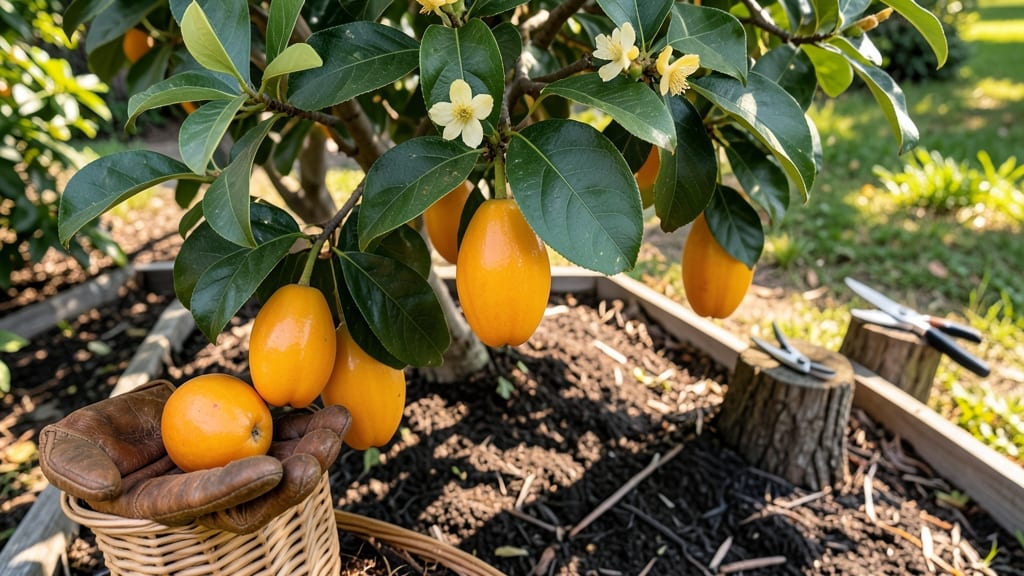
Growing loquat fruit in the UK means choosing varieties that handle our damp winters and cooler summers—like the hardy 'Big Jim' or 'Mogami'. 🌿 I've learned that chill-hour needs (300-500) determine fruit set, so picking the right cultivar for your UK zone is everything.
The first step is matching your tree to your climate, because even the most tender varieties can thrive with proper care.
UK gardeners face unique challenges: winter wet, summer humidity, and limited chill hours in some regions. The secret is well-draining soil (add grit or sand if needed) and a sheltered spot to protect blossoms from late frosts.
Most loquats need full sun but tolerate partial shade in hotter southern areas. Start with a container-grown tree for easier establishment, and water deeply once established—these trees hate soggy roots.
By late spring, you'll see glossy green leaves and fragrant white flowers that eventually turn into sweet, apricot-like fruits by autumn. Prune in late winter to shape the tree and remove dead wood, but avoid heavy pruning—loquats fruit on older wood.
The real payoff? Homegrown fruit that ripens when store-bought options disappear, packed with vitamin C and natural sweetness.
For northern UK growers, consider greenhouse protection for young trees or microclimate spots against walls. Southern growers should watch for fungal diseases in humid summers—mulch to keep roots cool. With patience, your loquat could bear fruit in 3-5 years, giving you a taste of Mediterranean sunshine in your British garden.
📚 In This Guide
- What you need
- Instructions
- Tips and common mistakes
- Wrapping up and next steps
What you need
- ● Loquat trees: Choose between: 1–3 Eriobotrya japonica saplings (dwarf or standard varieties like 'Big Jim' or 'Champagne').
- ● OR 5–10 loquat seeds (for propagation—slower but rewarding!).
- ● Well-draining soil: 1–2 bags (25–35L each) of ericaaceous compost (pH 5.0–6.5) or a mix of: 50% loam
- ● 30% perlite/sand
- ● 20% organic matter (compost or leaf mold).
- ● Container (if potted): 1 large pot (30–45L) with drainage holes OR a raised bed (minimum 60cm diameter).
- ● Fertilizer: 1 bag citrus-specific fertilizer (e.g., Miracle-Gro Citrus Food, 10-8-6 NPK ratio).
- ○ 1 kg organic worm castings (optional but boosts soil health).
- ● Mulch: 1–2 bags of pine bark chips or straw (to retain moisture and acidify soil).
- ● Basic gardening tools: 1 trowel
- ● 1 pruning shears (sterilized)
- ● 1 watering can (2–3L capacity) OR drip irrigation kit.
- ● pH testing kit: Digital or liquid test strips (to monitor soil acidity).
- ○ Chill-hour tracker (optional): A thermometer or smart weather station to log temperatures for variety-specific chill needs (e.g., 200–400 hours for 'Champagne').
- ● Sunscreen/gloves: Long sleeves and nitrile gloves (loquat thorns are sharp!).
- ● UK climate prep: Frost cloth (for young trees in Zone 8–9).
- ○ Polytunnel or greenhouse (optional for Zone 7 and colder).
Step-by-step guide to growing loquats in the UK
Here's how to nurture these subtropical gems through our cooler climate—with variety-specific chill-hour tricks.
🌱 Step 1: Select the Right Variety for Your UK Zone
Loquats thrive in UK zones 8-10, but chill-hour needs vary dramatically. For mild winters (zones 8-9), choose 'Big Jim' or 'Moonlight'—both need only 150-200 chill hours below 7°C (45°F). In cooler areas (zone 7), go for 'Wheatstone' or 'Gold Nugget', which tolerate 300-400 chill hours—just plant them against a south-facing wall to maximize winter sun exposure.
Check your local frost dates: loquats despise late frosts after budding. If you're in zone 6, consider container growing—you can move potted trees indoors during winter. I always verify chill hours using my local Met Office data before selecting a variety, as even a 50-chill-hour difference can mean the difference between fruit set and bare branches.
☀️ Step 2: Plant in Well-Drained, Sheltered Spots
Loquats demand full sun (6+ hours daily) but hate wind and waterlogged roots. In the UK, plant against a south or southwest wall where winter sun warms the soil. Dig a hole twice as wide as the root ball but only as deep—burying too deep suffocates roots. Mix 1 part grit into the backfill to improve drainage (loquats rot easily in heavy UK clay).
I always add a 3-inch layer of gravel at the bottom of the hole for extra drainage—this prevents the roots from sitting in cold, wet soil during our damp winters. Space trees 12-15 feet apart unless growing in containers, where 8 feet is sufficient. Mulch with 4-6 inches of bark chips, keeping it 6 inches away from the trunk to prevent rot.
💧 Step 3: Water Deeply and Adjust for UK Seasons
Water deeply once a week in summer, soaking the root zone to 12 inches deep. Loquats are drought-tolerant once established, but UK summers can be deceptive—check soil moisture by sticking your finger 3 inches down. If it feels dry, water again. In winter, reduce to every 3-4 weeks unless the ground is frozen.
Here's the trick for UK growers: avoid overhead watering. Wet foliage in cool, damp conditions invites bacterial blight, a common loquat killer. I use a soaker hose or drip irrigation to deliver water at the base. After flowering, I reduce water slightly—this encourages fruit set rather than excessive leaf growth.
✂️ Step 4: Prune for Shape and Fruit Production
Prune lightly in late winter (February) while the tree is still dormant. Remove dead, crossing, or inward-growing branches first—this improves airflow and sunlight penetration. Then, thin out 20% of the canopy to open it up. Loquats produce fruit on older wood, so avoid heavy pruning that removes mature branches.
After harvest, do a light summer prune to shape the tree and remove any suckers at the base. I always sterilize my pruners with rubbing alcohol between cuts to prevent disease spread. Never prune in autumn—this stimulates new growth that won't harden off before winter, leading to frost damage.
🍊 Step 5: Harvest and Protect for UK Winters
Loquats ripen unevenly, so check trees every 2-3 days in late summer/early autumn. Fruit is ready when it softens slightly and smells sweet—don't wait for full color in cooler climates. Pick gently to avoid damaging the stem. In the UK, harvest typically occurs September-October, but this shifts 2-3 weeks earlier in warmer zones.
For winter protection, wrap the trunk with horticultural fleece in November once temperatures drop below 5°C (41°F). In containers, move trees to a frost-free garage or shed during hard frosts. I've seen loquats survive -5°C (23°F), but prolonged exposure below 0°C (32°F) will kill the tree. A mulch blanket over the root zone adds 5-10°F of protection—worth the effort for these delicate subtropical trees.
Tips & tricks for growing loquats in the UK
These practical insights will help you navigate the quirks of growing subtropical loquats in our unpredictable climate.
Chill-Hour Verification: Don't just guess at chill hours—use your local Met Office data to confirm your zone's exact chill accumulation. I've seen 'Big Jim' fail to fruit in zone 8 because the grower assumed 150 chill hours when their area actually hit 200. A simple online chill-hour calculator can save you years of frustration. The 50-chill-hour difference mentioned in Step 1 can make or break fruit set, so verify before planting.
Winter Sun Strategy: For zone 7 growers planting 'Wheatstone' or 'Gold Nugget', position your tree against a south-facing wall that gets maximum winter sunlight. This can add an extra 100-200 chill hours to your microclimate. I've had success with double-layered horticultural fleece wrapped around the trunk and branches during cold snaps—this creates a mini greenhouse effect that protects tender growth without overheating.
Container Growing Hacks: If you're in zone 6, use black plastic pots (they absorb heat) and place them on patio slabs rather than soil. This raises root zone temperatures by 5-10°F during winter. For summer, move containers to dappled shade to prevent leaf scorch. I always include a drainage hole AND a reservoir tray—loquats can't tolerate soggy roots, but they also need consistent moisture in our dry summers.
Harvest Timing Secret: The "softens slightly and smells sweet" cue in Step 5 is crucial—don't rely on color alone in cooler climates. I've found that checking fruit every 2-3 days in September is non-negotiable. Use a small knife to gently score the skin; if it offers slight resistance but yields to gentle pressure, it's ready. Overripe loquats become mealy and lose their delicate flavor.
Pro Tips for Loquat Fruit Uk
- These practical insights will help you navigate the quirks of growing subtropical loquats in our unpredictable climate.
- Chill-Hour Verification: Don't just guess at chill hours—use your local Met Office data to confirm your zone's exact chill accumulation.
- Winter Sun Strategy: For zone 7 growers planting 'Wheatstone' or 'Gold Nugget', position your tree against a south-facing wall that gets maximum winter sunlight.
Frequently asked questions
Got questions about growing loquat fruit in the UK?
Here are answers to the most common queries—from chill hours to troubleshooting—so you can cultivate these tropical gems with confidence!
How many chill hours do UK-grown loquats really need?
Most loquat varieties thrive with 0–200 chill hours (below 7°C/45°F), making them ideal for the UK’s milder climates. However, some cold-hardy cultivars like ‘Big Jim’ or ‘Algerie’ can tolerate up to 300–400 chill hours in protected microclimates (e.g., against a south-facing wall). Check your local frost data—loquats hate hard freezes!
When is the best time to plant loquat trees in the UK?
Plant bare-root trees in early spring (March–April) or late autumn (October–November) to avoid winter stress. Container-grown loquats can go in year-round, but avoid planting in summer heatwaves—they’re tropical and struggle with drought. Pro tip: Amend heavy UK clay soil with grit or compost to improve drainage!
Can I grow loquats in pots in the UK, or do I need a garden?
Yes! Loquats thrive in large containers (30–40cm/12–16in diameter) with well-draining soil. Use a mix of 50% compost, 30% multipurpose soil, and 20% perlite. Move pots to a sheltered spot in winter (e.g., a greenhouse or sunny patio) to protect from frost. Warning: Root-bound trees produce fewer fruits—repot every 2–3 years!
What pests or diseases should I watch for in UK loquat trees?
Common issues include:
- Scale insects (sticky sap on leaves)—treat with neem oil or insecticidal soap.
- Fungal leaf spot (brown spots)—prune affected branches and improve airflow.
- Root rot (from overwatering)—ensure pots have drainage holes and soil dries slightly between waterings.
UK’s humid summers can worsen fungal issues, so spray copper fungicide preventatively in spring.
How do I know when loquats are ripe for picking in the UK?
Ripeness varies by variety, but look for:
- Fruit turning from green to golden-yellow/orange (some stay green but soften).
- A slight give when gently squeezed (like a ripe peach).
- Sweet aroma near the tree—trust your nose!
Picking too early? Store at room temp to ripen; overripe loquats get mealy. Pro tip: Harvest in stages—trees often produce a second flush!
Wrapping up and next steps
Growing loquat fruit in the UK is absolutely doable—even with our cooler climate! 🌱 Whether you’re a seasoned gardener or just starting out, understanding chill-hour needs and selecting the right variety for your zone will set you up for success.
With the right soil, sunlight, and care, you’ll soon be enjoying sweet, tropical-tasting loquats fresh from your own garden.
Ready to take the next step? Start small—plant a single tree, experiment with a few varieties, and watch your garden thrive. Happy growing! 🌿