
Pruning
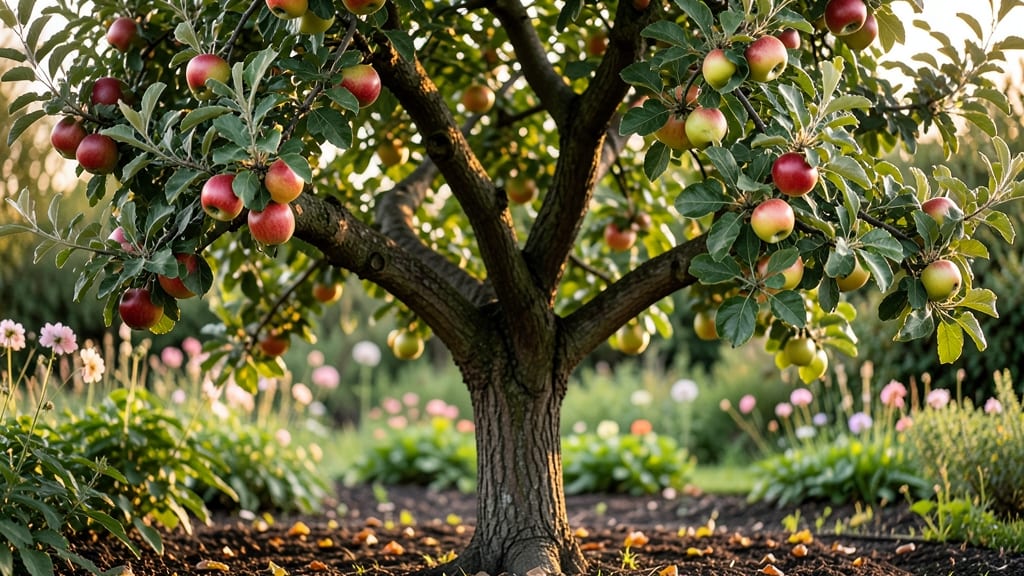
An apple tree typically bears fruit in 3 to 5 years after planting, though dwarf varieties can produce fruit as early as 2 years, while standard trees may take 5 to 7 years depending on the variety, climate conditions, and care provided. Early-bearing types like 'Honeycrisp' or 'Gala' often yield fruit sooner than later-maturing varieties such as 'Granny Smith'.
Understanding this timeline helps you set realistic expectations for your orchard. 🌳 The rootstock you choose plays a huge role—dwarf trees on M.9 rootstock, for example, can fruit in just 2 years, while standard trees on seedling rootstock might wait 7 years or more.
Climate also matters: trees in cooler zones (like USDA Zone 5) may take longer to mature than those in warmer regions (Zone 8 or 9).
I've seen 'Anna' apples produce fruit in as little as 2 years when grown in ideal conditions, while 'Fuji' trees often need 5-6 years before their first harvest.
Proper care accelerates fruiting—consistent watering, balanced fertilization, and strategic pruning all help.
For instance, young trees need 1-2 inches of water per week during their first growing season, and pruning to open the canopy improves air circulation, which reduces stress. 🍏 The key is patience combined with the right techniques, as these factors work together to bring your tree into full production.
💡 In This Article
- Factors That Speed Up or Delay Apple Tree Fruit Production
- Best Early-Bearing Apple Tree Varieties for Fast Harvests
Factors that speed up or delay apple tree fruit production
The rootstock you choose is the single biggest factor in how quickly your apple tree bears fruit. Dwarf trees grafted onto M.9 rootstock can produce fruit in as little as 2 years, while standard trees on seedling rootstock may wait 7 years or more.
This is because dwarf rootstocks force the tree to focus energy on fruiting rather than growing tall. For example, a 'Red Delicious' on M.9 will fruit in 3-4 years, while the same variety on seedling rootstock might take 8 years. 🌱 The trade-off?
Dwarf trees have shorter lifespans (15-20 years) compared to standard trees (50+ years).
Climate plays a crucial role too—trees in cooler USDA zones (like Zone 5) often take longer to mature than those in warmer zones (Zone 8 or 9). For instance, 'Granny Smith' apples need 1,200-1,500 chill hours (below 45°F) to fruit properly, which limits them to cooler regions.
Meanwhile, 'Anna' apples thrive in warmer climates with fewer chill hours, producing fruit in just 2-3 years. Soil quality matters just as much: Well-draining, slightly acidic soil (pH 6.0-6.5) with rich organic matter helps trees establish faster and bear fruit sooner.
Pollination requirements create another delay factor. Many apple varieties are self-pollinating, but some (like 'Honeycrisp') need a second variety within 50 feet for proper fruit set.
Without compatible pollinators, trees may flower but produce few or no apples. 🍎 Pruning also impacts timing—aggressive early pruning can delay fruiting by 1-2 years as the tree focuses on establishing its structure.
Conversely, proper pruning (removing water sprouts and dead wood) improves air circulation, which reduces stress and encourages earlier fruiting.
Watering habits make a surprising difference. Young trees need 1-2 inches of water per week during their first growing season, but inconsistent watering can delay fruiting by 1-2 years. Overwatering is just as bad—it causes root rot and weakens the tree.
Fertilization timing matters too: Too much nitrogen early on promotes leafy growth at the expense of fruit production. A balanced 10-10-10 fertilizer applied in early spring helps trees mature faster while encouraging fruiting.
Light exposure is often overlooked but critical. Trees need 6-8 hours of direct sunlight daily to produce fruit. Shade from buildings or other trees can delay fruiting by 2-3 years by reducing photosynthesis.
For example, a 'Gala' apple tree in full sun will fruit in 3 years, while the same tree in partial shade might take 5 years. Even microclimates matter—trees planted near south-facing walls fruit 1-2 years earlier due to extra warmth.
Finally, disease pressure can stall fruiting. Trees fighting pests like apple scab or fire blight divert energy away from fruit production. Regular monitoring and preventive sprays (like copper fungicide) help trees focus on growing fruit instead of defending against pathogens.
The result? Healthier trees that bear fruit 1-2 years sooner than neglected ones.