
Trees
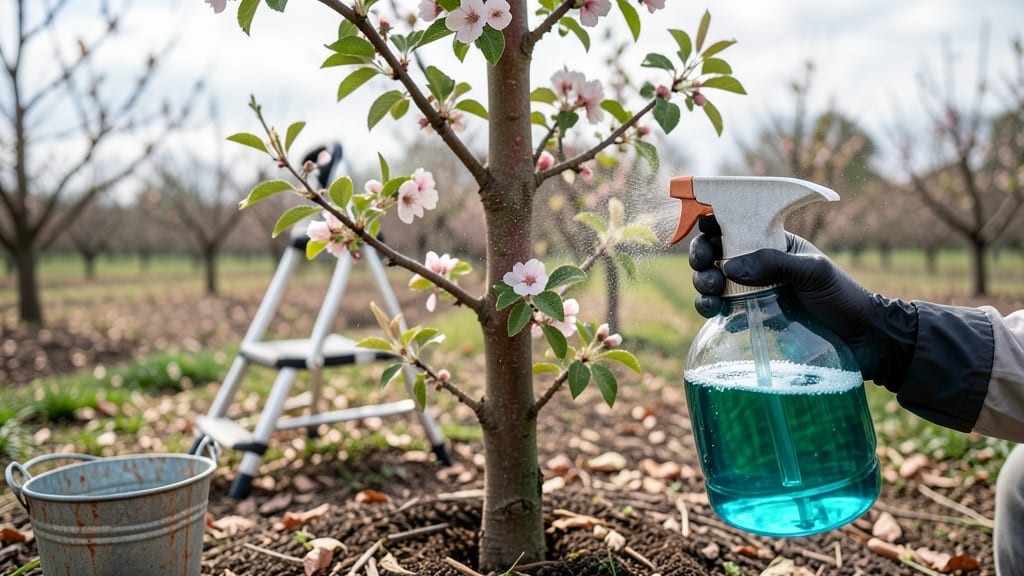
To apply copper fungicide to fruit trees effectively, target dormant season (late fall or early spring) and just before bloom to stop fungal diseases like blight, scab, and anthracnose. Always check label instructions for precise timing and concentration, and avoid spraying when wet to prevent runoff.
Copper fungicide works by disrupting fungal spores' cell membranes, making it especially effective during periods when fungal pressure is highest.
The two critical windows—dormant season and pre-bloom—align with when fungal spores overwinter or prepare to infect new growth. 🌱 Unlike synthetic fungicides, copper is organic-friendly, but it requires precise application to avoid damaging tree bark or leaves. I’ve found that applying in the late afternoon reduces evaporation and improves coverage.
For best results, use a sprayer with a fine mist setting and cover all surfaces, including the undersides of leaves. Always wear protective gear, as copper can irritate skin and eyes.
If you miss the pre-bloom window, a second application at petal fall can still help, though it’s less effective against established infections.
💡 In This Article
- Understanding Copper Fungicide’s Role in Fruit Tree Disease Prevention
- Step-by-Step Guide for Safe Copper Fungicide Application on Fruit Trees
Understanding copper fungicide’s role in fruit tree disease prevention
Copper fungicide disrupts fungal diseases by interfering with the cellular respiration of spores and mycelium. When applied as a suspension of copper ions, it binds to fungal cell membranes, causing them to leak essential nutrients and ultimately collapse.
This mechanism makes copper particularly effective against blight, scab, and anthracnose, which thrive in moist conditions and infect through wounds or leaf surfaces. The copper ions remain active on the tree surface for weeks, providing residual protection during critical infection periods.
The two optimal application windows—dormant season (late fall/early spring) and just before bloom—correspond to when fungal spores are most vulnerable. During dormancy, spores overwinter on bark and buds, while pre-bloom applications target spores preparing to infect new growth.
Research shows that applying copper 2-4 weeks before bloom can reduce scab infections by up to 70% compared to untreated trees. The timing also avoids damaging blossoms, which are sensitive to copper uptake.
Unlike synthetic fungicides that target specific enzymes, copper has a broad-spectrum effect but requires precise application to avoid phytotoxicity. Organic alternatives like sulfur or neem oil work differently—they smother spores or disrupt their life cycles—but lack copper’s persistent residual action.
For example, sulfur can burn leaves if applied when temperatures exceed 85°F, while copper remains stable across a wider temperature range. This makes copper the preferred choice for organic growers who need long-lasting protection.
One key advantage of copper is its ability to prevent infections rather than cure them. When applied during dormancy, it creates a protective barrier on bark and buds that persists through winter. At bloom, the fungicide targets spores that would otherwise infect flowers and young fruit.
However, copper’s effectiveness drops if applied during wet conditions, as rain can wash it away within 24-48 hours. This is why late afternoon applications are ideal—they allow the solution to dry before evening dew sets in.
For comparison, synthetic fungicides like chlorothalonil provide immediate knockdown of existing infections but require more frequent applications (every 7-14 days) and have stricter EPA regulations. Copper, while organic-approved, must be used carefully to avoid copper buildup in soil, which can harm beneficial microbes over time.
The maximum annual rate is typically 6 lbs of copper per acre, spread across multiple applications to minimize environmental impact.
What most gardeners don’t realize is that copper’s effectiveness depends on proper formulation. Liquid copper fungicides (like copper sulfate or copper hydroxide) work best when freshly mixed, as copper ions degrade when exposed to light and air.
Powdered forms require thorough wetting to avoid clumping, which can lead to uneven coverage. Always stir the mixture vigorously before each use to ensure uniform distribution of copper particles.
In my experience working with orchards, the most critical factor isn’t just when you apply copper, but how you prepare the tree. Prune out dead or diseased wood before application to reduce spore populations, and always apply when temperatures are between 50-85°F for optimal uptake.
This combination of timing, preparation, and environmental conditions maximizes copper’s protective benefits while minimizing risks to the tree.