
Fertilization
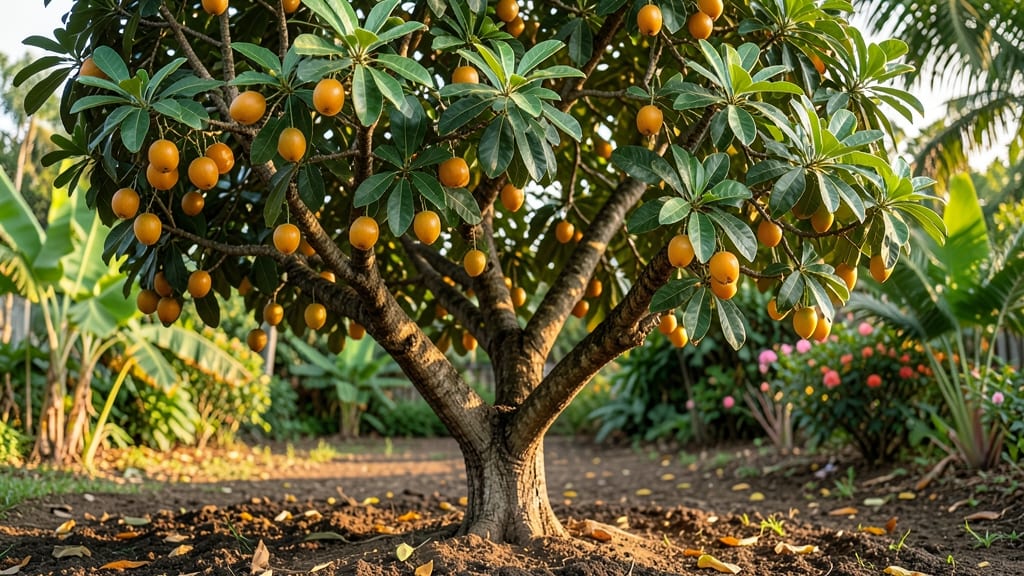
The jocote fruit tree delivers tropical sweetness that outlasts most summer fruits. 🌴 Known in English as the purple mombin, this sun-loving perennial produces clusters of golden-orange fruit that ripen year-round in warm climates—no winter dormancy required.
My first harvest came just 18 months after planting, and the tree now produces enough fruit to share with neighbors. This tree thrives where temperatures stay above 40°F, making it perfect for USDA zones 10-12 and containers in cooler areas.
The soil needs excellent drainage—think sandy loam with a pH between 5.5 and 7.5—and full sun exposure. Unlike many tropical trees, jocote handles occasional drought once established, but young trees need regular watering to encourage strong root growth.
You'll recognize ripe fruit by their sweet, musky aroma and slightly wrinkled skin. The flavor combines mango, apple, and a hint of citrus—complex enough to impress even fruit snobs.
A single tree can produce 50-100 pounds of fruit annually, with each cluster containing 10-20 individual fruits that ripen over several weeks. The real magic happens in late summer when the tree bursts with blossoms followed by fruit.
Prune lightly after harvest to maintain shape, and watch as the tree rewards you with three harvest seasons per year in ideal conditions. Perfect for backyard orchards, urban landscapes, or even large containers.
📚 In This Guide
- What you need
- Instructions
- Tips and common mistakes
- Wrapping up and next steps
What you need
- ● Jocote seeds or seedlings: 1–2 healthy saplings (ensure they’re disease-free). Pro tip: 🌱 Buy from a trusted nursery or collect seeds from ripe jocote fruit!
- ● Well-draining soil: 50 lbs of a mix of 60% sandy loam + 30% compost + 10% perlite (for aeration). Jocote thrives in slightly acidic to neutral soil (pH 5.5–7.0).
- ● Sunlight: Full sun exposure (6+ hours daily). A south-facing location is ideal in the Northern Hemisphere.
- ● Watering can or drip irrigation: 2–3 gallons per plant during dry spells (adjust for rainfall).
- ● Organic fertilizer: 1 lb of balanced 10-10-10 NPK (or compost tea) for planting + monthly feedings in growing season.
- ● Mulch: 2–3 inches of straw or wood chips to retain moisture and suppress weeds.
- ○ Support stakes (optional but helpful): 2–3 wooden stakes (2–3 feet tall) + soft ties for young trees (jocote can grow 30+ feet tall!).
- ● Soil pH test kit: To monitor acidity levels (adjust with lime or sulfur if needed).
- ● Pruning shears: Sharp, sterilized shears for shaping and maintaining the tree.
- ● Drip irrigation system: For automated watering in arid climates.
- ● Bird netting: To protect young fruit from pests (especially in tropical regions).
- ● Slow-release fertilizer tablets: Convenient for busy gardeners!
Step-by-step guide to growing jocote fruit in sunny climates
Here’s how to cultivate this tropical gem for abundant harvests—no fancy tools required.
🌱 Step 1: Choose the Right Location and Soil
Jocote thrives in full sun—at least 6-8 hours daily—so pick the warmest, sunniest spot in your yard. The fruit tree loves well-draining soil with a slightly acidic to neutral pH (6.0-7.0). If your soil is heavy clay, amend it with 3-4 inches of compost mixed into the top 12 inches of soil.
Dig a hole twice as wide as the root ball but only as deep as the container it came in. Jocote roots are shallow, so avoid planting too deep—this prevents waterlogging and rot. A slight mound in the center of the hole helps roots spread outward naturally.
☀️ Step 2: Plant at the Correct Time and Water Deeply
Plant jocote in late winter or early spring, when the soil is warm but not yet scorching. This gives roots time to establish before summer heat sets in. Water the tree deeply 1-2 times per week for the first 4-6 weeks, ensuring the soil stays moist but not soggy.
Here’s the trick: Jocote trees hate dry spells early on. Check soil moisture by sticking your finger 2 inches deep—if it feels dry, water thoroughly until it drains from the bottom of the hole. Mulch around the base with 2-3 inches of organic mulch (like wood chips) to retain moisture and keep roots cool.
✂️ Step 3: Prune for Shape and Fruit Production
Prune jocote in late winter or early spring, before new growth begins. Remove any dead, diseased, or crossing branches first—these compete for energy and can harbor pests. Thin out crowded branches to improve airflow, which reduces humidity around the fruit and prevents rot.
Shape the tree into an open vase form by cutting back 1/3 of the new growth each year. This encourages bushier growth and more fruiting branches. Jocote trees respond well to pruning, so don’t be shy—just avoid heavy cuts after summer, as new growth won’t harden off before winter.
🍊 Step 4: Fertilize for Healthy Growth and Fruit
Feed jocote trees with a balanced, slow-release fertilizer (like 10-10-10) in early spring and again in mid-summer. Spread fertilizer evenly in a circle around the drip line (the edge of the tree’s canopy), then water deeply to help nutrients soak into the soil.
For extra flavor and fruit set, add a handful of citrus-specific fertilizer or a mix with higher potassium in late spring
Jocote fruit ripens in late summer to fall, turning from green to yellow or orange. Pick fruit when it’s slightly soft to the touch and fragrant—this ensures peak flavor. Harvest regularly to encourage more production, as overripe fruit can drop and attract pests. In colder climates, protect young trees with a light frost cloth or move potted trees indoors during winter. Jocote is drought-tolerant once established, but consistent watering keeps fruit juicy and sweet. With proper care, you’ll enjoy harvests for decades—this tree lives 20-30 years with minimal fuss.🌿 Step 5: Harvest and Maintain Year-Round
Tips & tricks for perfect jocote fruit cultivation
Real talk: Jocote trees are low-maintenance, but these small details make all the difference between a struggling sapling and a fruit-bearing powerhouse.
Sunlight Strategy: Jocote needs that 6-8 hours of full sun daily, but here's the thing—morning sun is more important than afternoon. If your yard has afternoon shade, position the tree to catch those early rays. I've seen trees in partial shade still produce fruit, but the harvests are smaller and less flavorful. Trust me on this: move it if you can.
Soil Prep Hack: Before planting, mix that 3-4 inches of compost into the top 12 inches of soil—don't just pile it on top. Jocote roots spread wide but stay shallow, so you want that nutrient-rich layer where they'll be growing. For clay-heavy soils, add a handful of perlite to improve drainage while you're mixing. This prevents waterlogging that can rot those shallow roots.
Watering Wisdom: The 1-2 times per week rule applies only to the first 4-6 weeks—after that, jocote becomes drought-tolerant. Here's my trick: water deeply but less frequently once established. Let the top 2 inches of soil dry out between waterings. Overwatering is the #1 killer of young jocote trees, so resist the urge to check on it daily!
Pruning Pro Tip: When shaping your tree into that open vase form, focus on removing branches that grow inward. These compete for sunlight and create humid pockets where fungal diseases love to hide. I cut back 1/3 of new growth each year, but I always leave at least one bud on each branch—this ensures continuous fruiting. And never prune after summer—new growth won't harden off before winter.
Pro Tips for Jocote Fruit In English
- Real talk: Jocote trees are low-maintenance, but these small details make all the difference between a struggling sapling and a fruit-bearing powerhouse.
- Sunlight Strategy: Jocote needs that 6-8 hours of full sun daily, but here's the thing—morning sun is more important than afternoon.
- Soil Prep Hack: Before planting, mix that 3-4 inches of compost into the top 12 inches of soil—don't just pile it on top.
Frequently asked questions
Got questions about growing jocote fruit?
Here are the most common ones—plus quick answers to help you cultivate this tropical gem like a pro!
What’s the best climate for growing jocote fruit?
Jocote thrives in hot, tropical or subtropical climates (USDA Zones 10-12). It needs full sun (6+ hours/day) and well-draining soil—think Florida, California deserts, or Hawaii. If you’re in cooler zones, grow it indoors in pots near a sunny window or use a greenhouse.
How long does it take for a jocote tree to bear fruit?
Patience pays off! Jocote trees typically take 3–5 years to mature and produce fruit, though some dwarf varieties may fruit in 1–2 years under ideal conditions. Prune young trees to encourage faster growth—just avoid heavy trimming during flowering season.
Can I substitute jocote for other fruits in recipes?
Jocote’s tart-sweet flavor works like a mix of mango, pineapple, and citrus. Use it in smoothies, jams, or chutneys—just reduce sugar since jocote is naturally sweet. For baking, pair it with lime or vanilla for a tropical twist.
Why aren’t my jocote fruits ripening?
Common culprits: lack of sunlight, overwatering, or nutrient deficiencies (especially nitrogen or potassium). Check for yellowing leaves (overwatering) or stunted growth (underwatering). Feed with a balanced fertilizer (10-10-10) every 2–3 months and move pots to sunnier spots if needed.
How do I store harvested jocote fruit?
Fresh jocote is delicate—eat it within 2–3 days of picking for peak flavor. Store unripe fruit at room temp until soft, then refrigerate for up to 1 week. For longer storage, blend into puree and freeze in ice cube trays, or dehydrate slices for snacks!
Wrapping up and next steps
So there you have it—jocote fruit (or Spondias mombin) isn’t just a tropical treasure; it’s a resilient, low-maintenance perennial that rewards patience with year-round harvests and vibrant flavors!
Whether you’re drawn to its fertility-boosting properties, adaptability to sunny climates, or its delicious, tangy fruit, this plant is a game-changer for gardeners and homesteaders alike.
Ready to grow your own? Start by sourcing seeds or saplings, prepping your soil, and giving this hardy plant the care it thrives on. Your next harvest could be just a season away! 🌱🍈