
Blooming
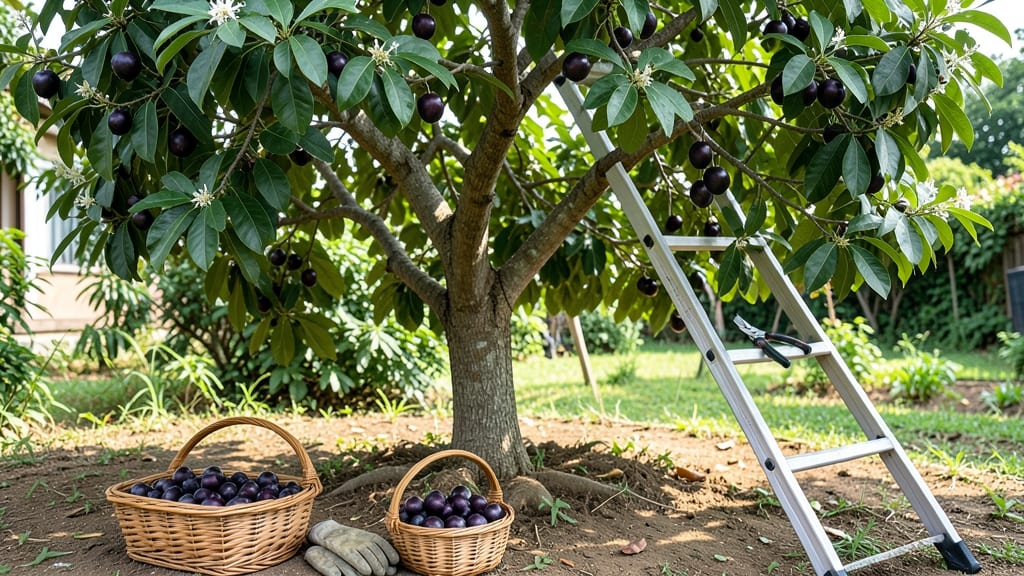
When referring to jam fruit in English, you're talking about tropical fruits like rose apple (Syzygium jambos), black plum (Syzygium cumini), and water apple (Syzygium aqueum), known for their sweet-tart taste and wide use in cooking. These evergreen trees grow in warm climates and produce fruits perfect for jams, desserts, and traditional recipes.
These tropical fruits belong to the Syzygium genus, often called "jam fruits" due to their perfect balance of sweet and tart flavors. 🌿 The rose apple, for example, has a glossy red skin and juicy flesh with a hint of pineapple, while black plum's deep purple hue hides a rich, almost plum-like taste.
Water apple, with its crisp, translucent segments, offers a refreshing crunch that's hard to resist. Many gardeners love growing these trees because they're not just delicious but also drought-tolerant once established.
If you're trying to identify them in stores or markets, look for the distinctive star-shaped flowers and glossy leaves that appear before the fruit. These trees thrive in USDA zones 10-12 but can be grown in containers for cooler climates.
The key to successful cultivation is well-draining soil and regular pruning to maintain shape and encourage fruit production. 🌱
💡 In This Article
- Botanical Classification and Key Jam Fruit Species
- Growing and Harvesting Jam Fruit Trees
Botanical classification and key jam fruit species
The term "jam fruit" in English actually refers to a group of tropical fruits belonging to the Syzygium genus within the myrtle family (Myrtaceae). These evergreen trees are native to Southeast Asia but have spread across tropical regions worldwide.
The genus includes over 1,200 species, but only three are commonly called "jam fruits": rose apple (Syzygium jambos), black plum (Syzygium cumini), and water apple (Syzygium aqueum). The name "jam fruit" comes from their perfect sweet-tart balance, making them ideal for preserves.
Let's break down their key differences: rose apple features a glossy red or yellow skin with juicy, translucent flesh that tastes like a mix of pineapple and apple.
Black plum has a deep purple, almost black skin with dense, dark red flesh that's rich and slightly astringent—similar to a cross between plum and cherry.
Water apple stands out with its thin, papery skin and crisp, translucent segments that release a refreshing aroma when cut open. 🌟 These fruits typically grow 2-4 inches in diameter and ripen between 6-9 months after flowering.
The scientific classification matters because it explains why these fruits share similar growing conditions. All three species thrive in tropical climates with temperatures between 70-90°F and require well-draining, slightly acidic soil (pH 5.5-6.5).
Their star-shaped white flowers appear before fruiting, and the glossy leaves (typically 2-4 inches long) are another identification clue. What's fascinating is how their flavors develop—rose apple's sweetness peaks when fully ripe, while black plum becomes more flavorful when slightly underripe.
For gardeners, understanding these botanical traits helps with identification. Look for these distinguishing features when shopping: rose apple's shiny red skin and pineapple-like scent, black plum's dark purple hue and dense texture, or water apple's crisp, watery segments that separate easily.
The trees themselves grow 15-30 feet tall and can live for decades with proper care, making them excellent long-term additions to tropical gardens.
Here's a quick comparison to help with identification:
- Rose Apple: Glossy red/yellow skin, translucent flesh, pineapple-apple flavor
- Black Plum: Deep purple skin, dense dark flesh, plum-cherry taste
- Water Apple: Thin papery skin, crisp segments, refreshing aroma
What most people don't realize is that these fruits aren't just delicious—they're also packed with antioxidants and vitamin C. Black plum, for example, contains 10-15% more vitamin C than oranges per serving, while water apple's high water content (about 90% moisture) makes it incredibly hydrating. 💧 This combination of flavor and nutrition is why they're prized in both culinary and medicinal traditions across tropical regions.