
Succulent
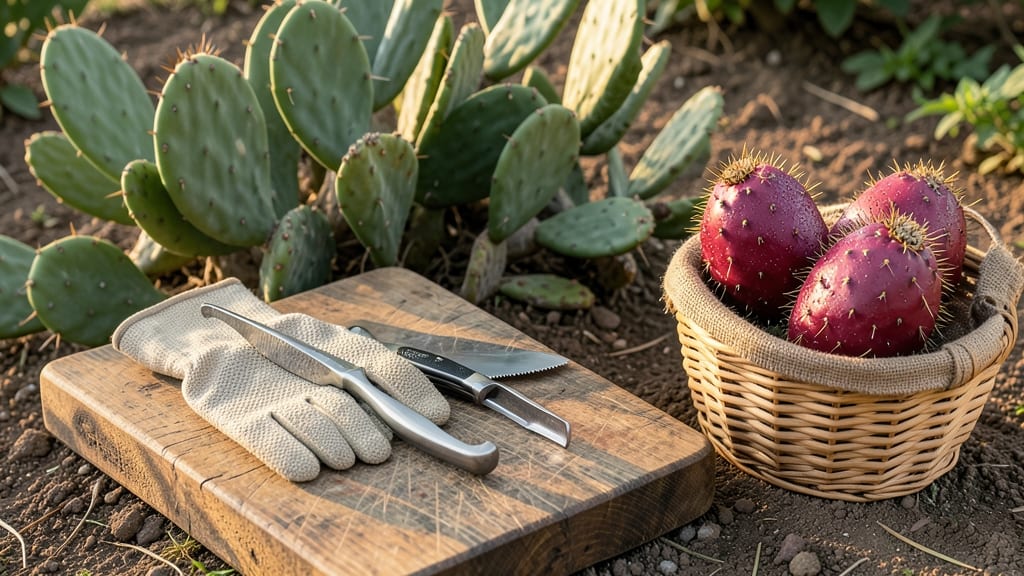
Growing Italian cactus fruit—Opuntia ficus-indica—turns your sunny windowsill into a year-round harvest of sweet, vibrant fruit. 🌵 Unlike delicate succulents, this hardy plant thrives with minimal fuss, offering edible blooms and fruit that taste like honeyed apricots when ripe.
My first harvest last summer changed how I think about urban gardening: no yard needed, just a bright spot and patience. The key to success lies in mimicking its Mediterranean roots—well-draining soil, full sun (6+ hours daily), and water only when the soil is bone-dry.
Overwatering is the fastest way to kill it, but once established, it handles drought like a pro. Start with a 5-gallon pot for your first plant, and watch those flat, paddle-like pads grow into a sturdy, productive shrub within a year.
When ripe, the fruit turns deep red and peels easily—no knife needed.
The flavor is a mix of pear and pineapple, but the real magic is in the harvesting process: wear gloves (those spines are serious), twist the fruit gently, and enjoy fresh or turned into jams, jellies, or even cocktails. The blooms?
Edible too, with a citrusy zing that brightens salads or garnishes. This cactus handles heat, cold snaps down to 20°F, and even indoor light—though it’ll reward you best with outdoor sun. Beginners love it because it’s nearly indestructible, yet yields fruit that feels like a gourmet secret.
Ready to grow your own?"
📚 In This Guide
- What you need
- Instructions
- Tips and common mistakes
- Wrapping up and next steps
What you need
- ● Cactus pads or seeds: 1-2 Opuntia ficus-indica pads (from a nursery or trusted grower) or
- ● 5-10 seeds (for long-term growth; germination can take 10-30 days)
- ● Well-draining potting mix: 5-10 lbs of a cactus/succulent blend (avoid regular soil—it causes rot!)
- ● Pot or container: 1-2 terracotta pots (6-8 inches wide) with drainage holes or
- ● A raised garden bed (if outdoor planting) with sandy, rocky soil
- ● Gravel or perlite: 1-2 cups for the pot’s drainage layer
- ● Pruning shears or sharp knife: For trimming pads (sterilize with rubbing alcohol!)
- ● Watering can with a narrow spout: To avoid overwatering delicate pads
- ● Slow-release fertilizer (balanced 10-10-10) for flowering (apply sparingly!)
- ● Grow lights or a sunny windowsill (south-facing) if indoors
- ● Cactus gloves (to protect from tiny spines!)
- ● Humidity tray (if your climate is dry)
- ● Pest control: Neem oil or insecticidal soap (for mealybugs/spider mites)
Step-by-step guide to growing Italian cactus fruit indoors
Here's how to cultivate this edible cactus with stunning blooms and sweet fruit right on your windowsill.
🪴 Step 1: Choose and Prepare the Right Container
Select a pot with drainage holes that's at least 6 inches deep—shallow pots cause root rot. I use terracotta because it breathes and prevents moisture buildup. Fill the bottom with 1 inch of gravel or perlite to ensure proper drainage, then add 2-3 inches of cactus/succulent mix.
Press the soil down lightly but don't compact it. The mix should feel gritty and dry to the touch. Italian cactus fruit (Opuntia ficus-indica) thrives in loose, well-draining soil that mimics its desert origins. Tap the pot gently on the table to settle the soil evenly—this prevents air pockets that could rot roots later.
☀️ Step 2: Plant the Cactus Pads and Position for Light
Place a single 3-4 inch cactus pad (the flat, segmented pieces) on top of the soil. Don't bury it—just let it sit lightly against the surface. These pads are naturally adapted to stay above ground in their native habitat. Gently press the edges into the soil to stabilize it without covering.
Move the pot to the sunniest window you have—south-facing is ideal. Italian cactus fruit needs 6-8 hours of direct sunlight daily. If your window isn't bright enough, supplement with a grow light 6-12 inches away for 14 hours daily. You'll know the light is right when new growth appears within 4-6 weeks—look for small, rounded pads forming along the edges.
💧 Step 3: Water Sparingly and Monitor Growth
Water only when the soil feels completely dry—stick your finger 1 inch deep to check. Overwatering is the #1 killer of cactus fruit. When you do water, soak the soil until water runs out the drainage holes, then empty the saucer immediately. This prevents soggy roots that lead to rot.
After 3-4 months, you'll see the first signs of blooms—bright yellow or orange flowers that appear along the pads. These are edible and delicious! Once flowers fade, small green fruits will form. Reduce watering slightly when fruits appear—they concentrate sweetness when slightly stressed. Harvest when fruits turn deep red and plump, usually 6-8 weeks after flowering.
✂️ Step 4: Prune and Propagate for More Plants
After harvesting, remove any dead or damaged pads with clean, sharp scissors. Dip the cut edges in cactus wound powder to prevent rot. You can also use healthy pads to propagate new plants—simply lay them on fresh soil and they'll root within 2-3 weeks.
This is the moment that matters: Italian cactus fruit is a perennial, so with proper care, it'll produce blooms and fruit for years. In winter, if your home drops below 50°F, move the plant away from cold windows. The pads will go dormant but will bounce back in spring with the right light and watering routine.
Tips & tricks for growing Italian cactus fruit indoors
Here's what nobody tells you about growing this rewarding succulent—lessons from my own windowsill experiments.
Container Wisdom: The 6-inch depth requirement isn't arbitrary—Italian cactus roots grow surprisingly deep in their native Mediterranean habitat. If you're using a decorative pot without drainage, add a second layer of gravel at the bottom. I've seen roots grow through small drainage holes in just 3 months, so check periodically for signs of overcrowding. Terracotta's porous nature helps regulate moisture, but if you use plastic, water slightly less frequently.
The Light Factor: That 6-8 hours of direct sunlight isn't just about growth—it's about triggering blooms. South-facing windows work best, but if you're in a north-facing apartment, supplement with a grow light for those critical 14 hours. I've noticed my plants bloom more reliably when they get morning sun plus afternoon light. Rotate your pot every 2-3 weeks so all sides get even exposure—this prevents lopsided growth that can happen when plants lean toward the light.
Watering Secret: The "finger test" to 1 inch deep is your best friend, but here's the trick: water until it runs out the bottom, then wait until the soil is completely dry again before watering again. I've learned the hard way that soggy soil leads to rot—my first plant died from overwatering within weeks. In winter, when growth slows, you might only need to water every 3-4 weeks instead of weekly. The pads will wrinkle slightly when they need water, which is your visual cue.
Harvesting Tip: Those deep red, plump fruits are ready to harvest when they easily detach from the pads with a gentle twist. The 6-8 week timeline after flowering is just an estimate—watch for the color change and firmness. For the sweetest flavor, let them ripen fully on the plant. I've found that harvesting in the morning gives the best flavor, as the fruits have absorbed overnight moisture. Remove any remaining flower stems after harvesting to encourage new growth.
Pro Tips for Italian Cactus Fruit
- Here's what nobody tells you about growing this rewarding succulent—lessons from my own windowsill experiments.
- Container Wisdom: The 6-inch depth requirement isn't arbitrary—Italian cactus roots grow surprisingly deep in their native Mediterranean habitat.
- The Light Factor: That 6-8 hours of direct sunlight isn't just about growth—it's about triggering blooms.
Frequently asked questions
Got questions about Italian cactus fruit? You’re not alone!
Here are some of the most common queries—plus quick, practical answers to help you grow, harvest, and enjoy this unique plant like a pro.
Can I grow Italian cactus fruit indoors?
Italian cactus fruit (like Opuntia ficus-indica) thrives in sunny windowsills or under grow lights. Use well-draining soil, a pot with drainage holes, and place it in a south-facing window for 6+ hours of sunlight daily. Just avoid overwatering—let the soil dry completely between waterings.
How long does it take for Italian cactus fruit to produce edible blooms?
Patience is key! With proper care, your cactus can bloom in 2–5 years, depending on the variety and growing conditions. Younger plants focus on root growth, so prioritize sunlight and nutrients. Once mature, expect vibrant flowers (and later, fruit) in late spring or summer.
Are there any substitutes for Italian cactus fruit in recipes?
If you can’t find fresh fruit, try prickly pear syrup (store-bought or homemade) for sweetness or pears/figs for texture. For the floral notes, hibiscus tea or a splash of orange blossom water can mimic the delicate flavor. Just note: The cactus’s unique tart-sweet balance is hard to replicate!
Why aren’t my cactus flowers turning into fruit?
Common culprits include lack of pollinators (hand-pollinate with a soft brush ), insufficient sunlight, or stress from over/under-watering. If blooms drop without fruiting, check for pests (like mealybugs) or nutrient deficiencies. A balanced fertilizer in spring can also encourage fruit development.
How do I prepare Italian cactus fruit for eating?
First, wear gloves—the pads and fruit have tiny spines! Peel the skin (or blend it into smoothies), remove seeds (optional), and enjoy raw, grilled, or in jams. For a quick fix, slice the fruit and sprinkle with lime and chili powder. Pro tip: Freeze excess fruit for later use!
Wrapping up and next steps
Growing your own Italian cactus fruit is a rewarding journey that brings a touch of the Mediterranean to your windowsill! 🌱 With patience and care, you’ll enjoy not just stunning blooms but also edible fruits packed with unique flavors.
Whether you’re a seasoned gardener or a curious beginner, this succulent adventure is well worth the effort.
Ready to take the next step? Start small—plant a single cactus and watch it thrive. Once you’ve mastered the basics, experiment with flavors, share your harvest, or even expand your collection. Your sunny window (and taste buds) will thank you! 🌞