
Vegetables
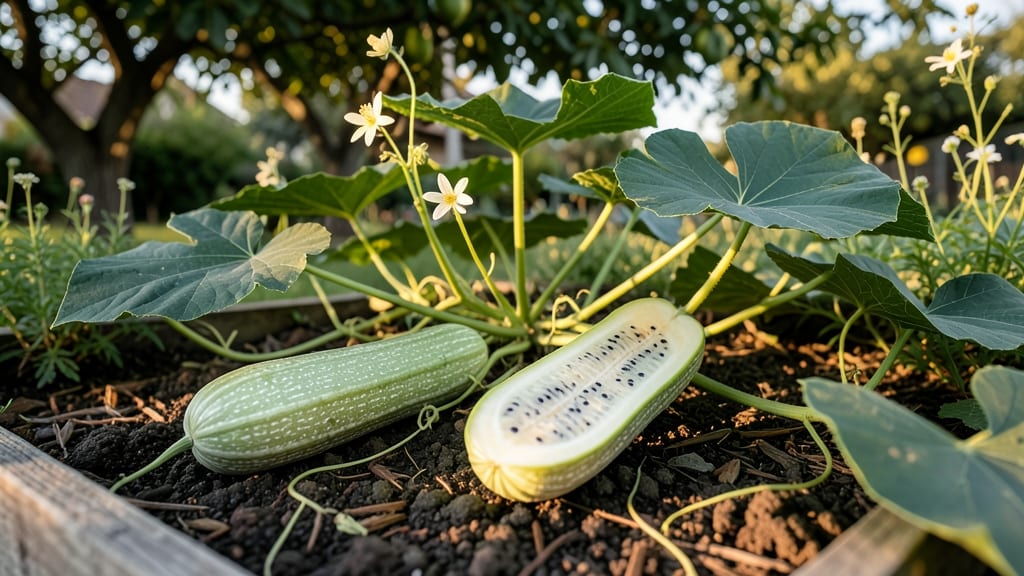
Winter melon is a fruit botanically, classified as a gourd in the Cucurbitaceae family, though it’s often used like a vegetable in cooking due to its mild, cucumber-like flavor and crisp texture when cooked or raw.
Winter melon's botanical classification as a fruit comes from its reproductive structure—it develops from a flower's ovary and contains seeds, just like other fruits. 🌱 However, its culinary role blurs the line because it lacks the sweetness or juiciness typically associated with fruits.
Instead, it functions more like a vegetable in dishes, offering a subtle, refreshing taste that works beautifully in soups or stir-fries. The confusion arises because many edible plants defy simple categories, and winter melon perfectly embodies this culinary gray area.
In traditional Asian cooking, winter melon is prized for its ability to absorb flavors while maintaining its own delicate sweetness. This dual nature makes it a favorite in both savory and sweet preparations, from clear broths to desserts.
The plant itself thrives in warm climates, growing on vines that can sprawl up to 10 feet long, producing large, oblong fruits that can weigh up to 10 pounds when fully mature.
💡 In This Article
- Botanical Classification of Winter Melon as a Fruit
- Culinary Uses of Winter Melon in Gardening and Recipes
Botanical classification of winter melon as a fruit
The key reason winter melon is classified as a fruit lies in its reproductive biology. Like all true fruits, it develops from the ovary of a flowering plant after fertilization, containing seeds that enable plant propagation.
The winter melon's hard, green rind actually protects its soft, white interior and black seeds—a classic fruit structure. 🌱 This seed-bearing characteristic separates it from vegetables, which typically develop from other plant parts like leaves (spinach) or roots (carrots).
Winter melon belongs to the Cucurbitaceae family, sharing this classification with cucumbers, pumpkins, and squash. However, its botanical cousins differ significantly in texture and flavor.
While cucumbers have thin skins and watery flesh, winter melon develops a thick, waxy rind that can be 1/4-inch thick when mature, with flesh that's crisp yet slightly gelatinous when cooked. Its seeds, though edible when young, are more commonly discarded in cooking, unlike pumpkin seeds which are popular snacks.
The growth habit further distinguishes winter melon from vegetables. It grows on trailing vines that can spread 10-20 feet in ideal conditions, producing large fruits that can reach 2-3 feet in length and weigh up to 10 pounds.
This vine growth pattern is typical of fruit-bearing plants, while most vegetables grow as upright plants or root systems. The melon's hollow interior also mirrors other gourd fruits, storing water and nutrients for seed development.
What creates confusion is how winter melon's mild, cucumber-like flavor and neutral taste profile make it function more like a vegetable in cooking. Unlike sweet fruits, it lacks significant sugar content (3% by weight) and instead provides a refreshing, slightly sweet crunch similar to cucumber or zucchini.
This culinary duality explains why many chefs and home cooks treat it as a vegetable while botanists classify it as a fruit.
Consider this comparison: A tomato is botanically a fruit but used like a vegetable, while winter melon is the opposite—classified as a fruit but used like a vegetable. The distinction matters because it affects how we understand its nutritional profile.
Fruits typically contain more natural sugars and vitamins (like vitamin C in citrus), while winter melon's nutritional benefits come from its high water content (95%) and minimal calories (17 per 100g), making it more vegetable-like in dietary impact.
For the curious gardener, winter melon's botanical classification also explains its growing requirements. As a tropical fruit, it thrives in warm climates (USDA zones 9-11) with full sun exposure (6-8 hours daily) and well-draining soil.
The vines need ample space to spread, unlike compact vegetable plants. This growth pattern reinforces its fruit classification while its culinary uses maintain the vegetable-like versatility that makes it beloved in Asian cuisines.