
Fertilization
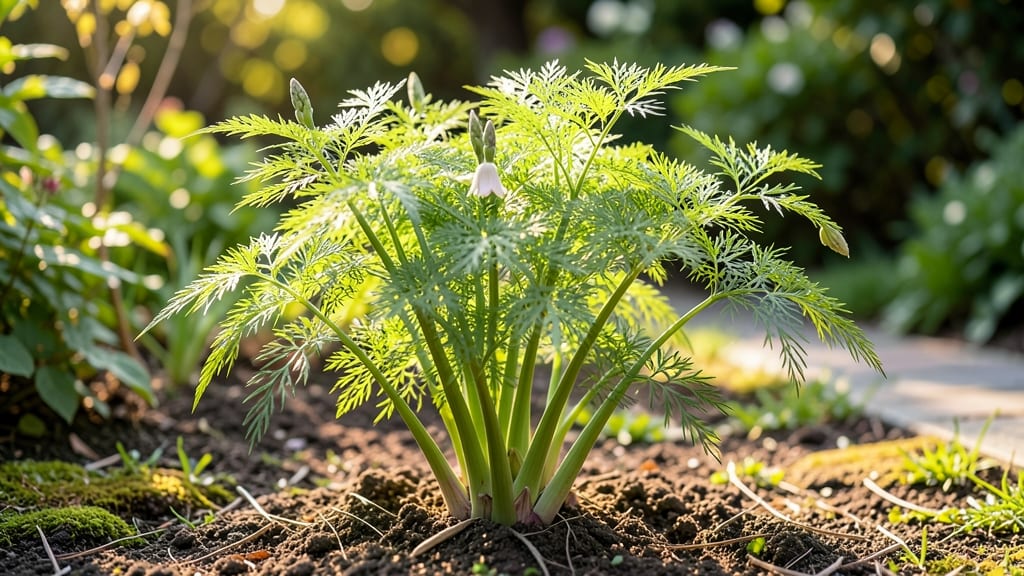
Asparagus isn't a fruit—it's a vegetable classified as a shoot, specifically the edible spear of the Asparagus officinalis plant. While the plant does produce small, inedible red berries, these are botanically classified as fruits, not the spears we eat.
This classification might surprise you because asparagus grows from the plant's flower stalk, not its fruit. 🌱 In botany, fruits develop from flowers and contain seeds, while vegetables like asparagus are other edible plant parts—roots, stems, or leaves.
The confusion often comes from the plant's reproductive structures, which include those tiny red berries, but they're not what we harvest or consume.
The edible spear we enjoy is actually the young shoot that emerges from the ground before the plant flowers. This makes asparagus unique because it's harvested before it can develop into its mature, flowering form.
Understanding this helps explain why asparagus behaves differently in cooking and nutrition compared to true fruits.
💡 In This Article
- Botanical vs. Culinary Classification of Asparagus
- Growing and Harvesting Asparagus Spears
Botanical vs. culinary classification of asparagus
The confusion about asparagus stems from how botanists define fruits versus vegetables. Botanically, fruits develop from flowers and contain seeds—like tomatoes or cucumbers. Asparagus, however, is classified as a vegetable because we eat its shoot, the young spear that emerges before flowering.
The plant's reproductive structures are those tiny, inedible red berries that form later in the season, but they're not what we harvest.
The key difference lies in plant anatomy. Asparagus spears grow from the plant's crown, which is essentially its root system. These spears are technically stems (more specifically, modified shoots) that push through the soil before the plant produces flowers.
When the plant finally flowers, those red berries appear—but they're the only true fruits, and they're far too bitter and fibrous to eat. 🌱 This distinction explains why asparagus behaves differently in cooking than true fruits, which are typically sweeter and softer.
Culinarily, the classification matters because fruits are often treated differently in recipes—think of their natural sweetness or how they're used in desserts. Asparagus, however, is typically prepared as a savory vegetable, roasted, grilled, or steamed.
Its fibrous texture and mild flavor come from its stem structure, not from being a fruit. Even its nutritional profile reflects this: asparagus is high in fiber and folate, typical of vegetables, not the sugar content you'd expect from fruits.
What makes this even more interesting is how asparagus grows. The spears we eat are harvested when they're about 6-8 inches tall, before they become woody. If left unharvested, they'd eventually produce those small red berries, but by then, the spear would be too tough to eat.
This growth cycle is why asparagus is often called a "spring vegetable"—it's one of the first crops to emerge in many climates, giving it a delicate, fresh flavor that true fruits don't share.
Here's a quick comparison to clear up the confusion:
- True Fruits: Develop from flowers, contain seeds (e.g., apples, berries), often sweet
- Asparagus Spears: Young shoots from the crown, no seeds, savory and fibrous
- Asparagus Berries: The only true fruits (inedible), form after flowering
This botanical quirk explains why asparagus never appears in fruit salads or pies—it's fundamentally different in structure and purpose. The plant's entire lifecycle is designed to produce those spears first, then flowers and berries later, making it a fascinating case study in how we classify edible plants. 💫