
Propagation
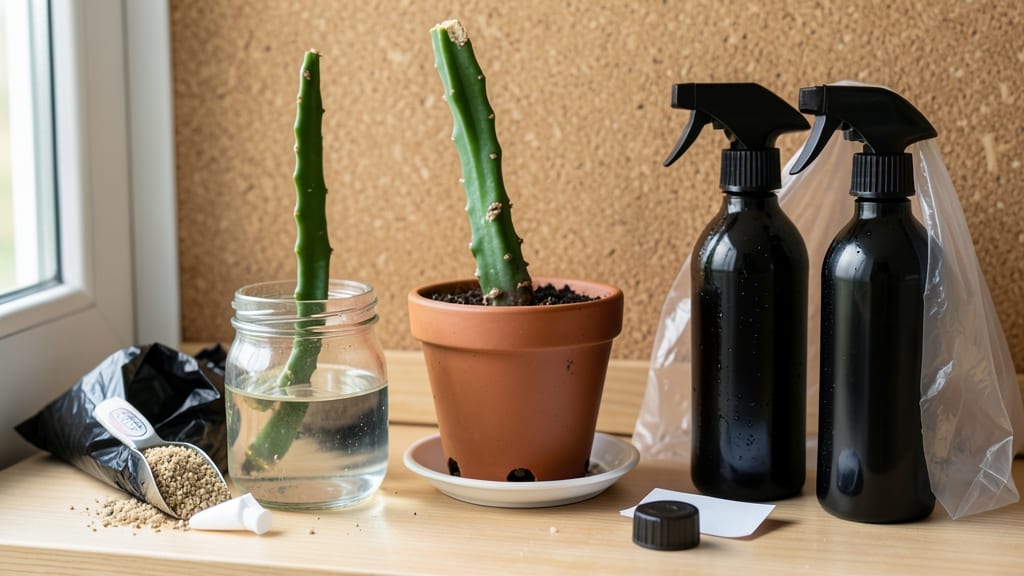
Rooting dragon fruit cuttings is the easiest way to multiply your plants—no expensive nursery needed. 🌱 I’ve propagated mine from grocery store stems, and with just a few simple steps, you can grow your own vibrant pitaya vines in months.
The key is patience and keeping conditions just right: warm, humid, and bright enough to encourage roots without burning the cuttings.
Start with healthy stems, sharp scissors, and a rooting medium—either water or a mix of perlite and potting soil. Cut just below a node (that little bump where leaves grow), and let the cut end dry for a day to prevent rot.
Dragon fruit roots best in spring or early summer when temperatures stay above 65°F, but they’ll tolerate cooler conditions if you provide extra humidity.
Within 4-8 weeks, you’ll see tiny white roots forming, and once they’re a few inches long, transplant into well-draining soil. Keep the area shaded for the first week to reduce stress, then gradually introduce more sunlight.
The first blooms might take a year, but the journey is worth it—imagine harvesting your own sweet, magenta-fleshed fruit.
Mistakes happen, but most issues—like slow growth or rot—come from overwatering or poor airflow. If your cuttings yellow or smell funky, adjust your care. Dragon fruit is forgiving once you get the hang of it, and soon you’ll have a thriving vine ready to climb and produce.
📚 In This Guide
- What you need
- Instructions
- Tips and common mistakes
- Wrapping up and next steps
What you need
- ● Dragon fruit cuttings: Healthy, disease-free stems (6–12 inches long) with at least 2–3 nodes (where leaves or roots grow). Pro tip: Use mature, woody stems for best results! 🌿
- ○ Rooting hormone (optional but recommended): A powder or gel (e.g., Rootone or Clonex) to boost root growth.
- ● Well-draining potting mix: A blend of 50% perlite or pumice and 50% coconut coir or peat moss (sterilized to prevent fungus). Avoid garden soil—it’s too dense!
- ● Small pots or propagation trays: 4–6 inch pots (or a tray with drainage holes) for each cutting. Quantity: 1 pot per cutting.
- ● Drainage material: Small rocks, gravel, or broken pottery pieces (½ inch layer at the bottom of pots).
- ● Spray bottle: For misting cuttings (to maintain humidity).
- ● Plastic wrap or humidity dome: To create a mini greenhouse effect (e.g., a clear plastic bag with holes).
- ● Sharp pruning shears or knife: Sterilized with rubbing alcohol to make clean cuts.
- ● Watering can (with a fine rose): For gentle hydration (avoid overwatering!).
- ● Warmth: Keep cuttings in a spot with 70–85°F (21–29°C) temperatures. Dragon fruit thrives in heat! 🔥
- ● Indirect light: Bright, filtered light (e.g., near a window but not in direct sun). Avoid harsh midday rays.
- ● Humidity: Aim for 60–70% humidity. Use a hygrometer to monitor if needed.
- ● Patience: Roots typically take 4–8 weeks to form—consistency is key! ⏳
- ● Fertilizer: A balanced liquid fertilizer (10-10-10) diluted to half-strength, applied after roots form.
- ● Grow lights: If natural light is limited, use LED grow lights (12–14 hours/day).
- ● Label markers: To track cutting dates and varieties (trust us, you’ll forget!).
- ● Antifungal treatment: A spray like Neem oil (1 tsp per quart of water) to prevent mold.
Step-by-step instructions for rooting dragon fruit cuttings
Here’s my foolproof method for growing new dragon fruit plants from cuttings—no green thumb required.
🌱 Step 1: Select and Prepare the Cuttings
Choose healthy, mature stems with at least 3-4 nodes (the small bumps where leaves grow). Use clean, sharp pruning shears to cut just below a node at a 45-degree angle—this increases surface area for root growth. Let the cuttings dry for 1-2 hours until the edges callus over slightly. This step prevents rot when you plant them later.
I always pick stems from the current season’s growth—they’re more vigorous and root faster. Avoid woody, thick stems; you want flexible, pencil-thick cuttings. Once dried, store them in a cool, dry place until ready to root.
💧 Step 2: Root in Water or Moist Medium
Fill a clean glass or jar with room-temperature water, leaving about 1 inch of stem exposed above the waterline. Change the water every 3-4 days to prevent bacterial growth. Place the jar in bright, indirect light—direct sun can overheat the water and stress the cutting.
Alternatively, dip the cut end in rooting hormone (optional but helpful) and plant in a pot with well-draining cactus/succulent mix. Keep the soil lightly moist but never soggy. You’ll know roots are forming when tiny white tendrils appear at the nodes after 2-4 weeks.
☀️ Step 3: Encourage Growth and Harden Off
Once roots reach about 1-2 inches long, it’s time to transition to soil. For water-rooted cuttings, plant in a pot with 1 part perlite to 2 parts cactus mix. Water lightly to settle the soil, then place in bright, indirect light for 1 week to acclimate.
After a week, gradually move the pot to a sunnier spot, increasing exposure by 1-2 hours daily. Dragon fruit plants love full sun (6+ hours), but too much too soon can scorch tender new growth. Watch for yellowing leaves—this signals stress from too much light.
🪴 Step 4: Transplant and Care for New Plants
When your cuttings develop 2-3 new leaves and roots fill the pot, transplant into a 5-gallon container with drainage holes. Use a mix of cactus soil, perlite, and compost for drainage and nutrients. Water deeply but let the top 1 inch of soil dry out between waterings—overwatering is the #1 killer of young dragon fruit plants.
Fertilize lightly with a balanced, water-soluble fertilizer (10-10-10) every 4-6 weeks during the growing season. Dragon fruit plants are drought-tolerant but reward consistent care with faster growth and eventual fruit production in 1-2 years.
Tips & tricks for successful dragon fruit propagation
Here's what I've learned from years of propagating dragon fruit—these little details make all the difference between thriving plants and sad, wilted failures.
The Node Factor: Those 3-4 nodes aren't just numbers—they're your plant's future. Each node contains dormant buds that can grow into roots or new shoots. When you see white roots forming at the nodes after 2-4 weeks, you're witnessing nature's built-in growth system. Never cut below the lowest node, as this removes the potential root zone entirely.
Angle Matters: That 45-degree cut isn't just for show—it creates more surface area for root formation. Think of it like giving your plant a better chance to breathe underwater. I've tried straight cuts, and they take significantly longer to root compared to the angled cuts. The extra surface area lets more oxygen reach the stem, which is crucial for root development.
Light Balance: Dragon fruit cuttings need bright, indirect light during the rooting phase—direct sun can overheat the water and stress the cutting. I use a north-facing window or place my cuttings about 2 feet from a south-facing window. You'll know you've got the right balance when you see new leaves forming without any yellowing or browning at the tips.
Water Wisdom: Changing the water every 3-4 days prevents bacterial growth that can rot your cuttings. I've learned this the hard way—once I let a cutting sit in stagnant water for a week, and it developed black spots that spread rapidly. Fresh water also provides the oxygen your roots need to develop properly. If you notice the water turning cloudy before your 3-4 day change, it's time to refresh it immediately.
Pro Tips for Root Dragon Fruit Cuttings
- Here's what I've learned from years of propagating dragon fruit—these little details make all the difference between thriving plants and sad, wilted failures.
- The Node Factor: Those 3-4 nodes aren't just numbers—they're your plant's future.
- Angle Matters: That 45-degree cut isn't just for show—it creates more surface area for root formation.
Frequently asked questions
Got questions about rooting dragon fruit cuttings? You’re not alone! Here are some of the most common concerns—and their answers—to help you succeed like a pro.
How long does it take for dragon fruit cuttings to root?
Most dragon fruit cuttings develop roots in 2 to 4 weeks under ideal conditions (warmth, humidity, and proper moisture). Patience is key—some may take up to 6 weeks, especially if the environment is cooler or drier. Check for roots by gently tugging the cutting; resistance means success!
Can I root dragon fruit cuttings in water first?
Yes! Rooting in water is a great way to speed up the process. Place your cutting in a jar of water, keeping the base submerged but the leaves dry. Change the water every 3–4 days to prevent bacteria. Once roots reach 2–3 inches, transplant to soil. Just be ready to move it quickly—water-rooted cuttings can rot if left too long.
What’s the best temperature for rooting dragon fruit?
Dragon fruit thrives in warmth (70–90°F or 21–32°C). Use a heat mat if your home dips below 65°F (18°C), as cooler temps slow rooting. Avoid drafts or AC vents, which can stress the cutting. A sunny windowsill or greenhouse is ideal for consistent warmth.
Why did my dragon fruit cutting turn yellow or mushy?
Yellowing or mushiness usually signals overwatering or rot. Ensure your cutting has well-draining soil (like a mix of perlite and potting soil) and only water when the top inch feels dry. If rot sets in, trim the affected area, let it dry for a day, and replant in fresh soil. Pro tip: Never let the cutting sit in soggy soil!
Can I root dragon fruit from a store-bought fruit?
Nope! Store-bought dragon fruit is treated to prevent sprouting, so it won’t root. For propagation, you’ll need healthy cuttings from a mature plant—ask a local grower or nursery for tips on sourcing live stems. If you’re buying online, ensure the seller provides live cuttings, not dried or treated seeds.
Wrapping up and next steps
Rooting dragon fruit cuttings is a rewarding way to grow your own vibrant plants with minimal effort! By following these 4 simple steps—preparing the cuttings, choosing the right medium, maintaining humidity, and providing patience—you’ll soon have thriving new dragon fruit plants. 🌱
Now that you’re armed with the knowledge, give it a try! Start with just one cutting, and soon you’ll be sharing your propagation success with fellow plant lovers. Happy growing! 🌟