
Planting
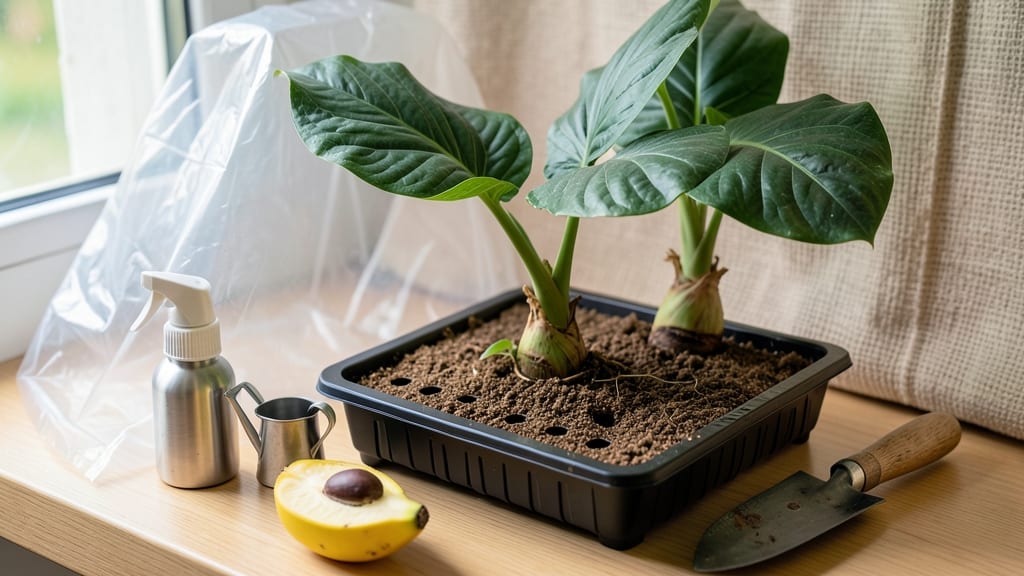
Planting a banana from fruit turns your grocery store purchase into a living, growing 🍌 tree with just a few simple steps—no fancy nursery needed.
Did you know that banana peels can grow into a thriving plant with the right care? Growing bananas from fruit is a rewarding process that even beginners can master with these expert techniques.
You’ll need patience—it takes 12-18 months to see fruit—but the journey is where the magic happens. From sprouting to transplanting, this guide covers everything you need to know for success, whether you’re in USDA Zones 10-12 or keeping your banana indoors year-round.
Learn how to pick the perfect banana, prepare the seed for planting, and troubleshoot common issues like rot or slow germination. By the end, you’ll have a healthy banana plant thriving in your space!

Step-by-step guide to sprouting banana plants from fruit
Did you know that banana peels can grow into a thriving plant with the right care? Growing bananas from fruit is a rewarding process that even beginners can master with these expert techniques.
The key lies in selecting the right fruit, preparing it properly, and providing the ideal growing conditions for successful germination. With patience and attention to detail, you'll soon have a banana plant sprouting from what was once just a simple fruit.
Banana plants grown from fruit are technically seed-grown, not the common suckers you might find at nurseries. This method allows you to grow unique varieties that aren't available commercially. However, it requires more time and care, as the fruit must first sprout before developing into a full plant.
The entire process can take 6-12 months before you see significant growth, but the journey is well worth it for gardening enthusiasts.
Before you begin, gather your supplies: a ripe banana (preferably organic), a small pot with drainage holes, well-draining soil mix, a plastic bag or humidity dome, and a warm, sunny location.
The most critical factors for success are proper fruit selection, consistent moisture, and bright indirect light during the early stages. Let's dive into the step-by-step process to ensure your banana fruit sprouts successfully.
How to Plant Banana From Fruit: Step-by-Step
-
Step 1: Select the Right Banana
Choose a ripe banana with brown spots but no mold. Organic bananas work best since conventional ones may have been treated with growth inhibitors.
-
Step 2: Prepare the Fruit
Cut the banana in half lengthwise and scoop out the soft flesh, leaving a 1/4-inch layer attached to the peel. Place the peel side down in a shallow dish of water to keep it moist.
-
Step 3: Plant the Banana Peel
Fill a small pot (4-6 inches wide) with a mix of potting soil and perlite for drainage. Press the banana peel into the soil, peel-side down, and cover it lightly with soil.
-
Step 4: Create a Humid Environment
Cover the pot with a plastic bag or humidity dome to retain moisture. Place it in a warm spot (70-80°F) with bright indirect light, like a sunny windowsill.
-
Step 5: Maintain Moisture and Light
Keep the soil moist but not soggy. Mist the banana peel daily and remove the cover for 10 minutes every few days to prevent mold. After 4-6 weeks, you should see sprouts emerging.
-
Step 6: Transplant the Sprout
Once sprouts reach 2-3 inches tall, carefully transplant them into individual pots with well-draining soil. Use a larger container (8-10 inches) to support growth.
-
Step 7: Provide Full Sun and Fertilizer
Move the plant to a location with 6+ hours of sunlight daily. Begin fertilizing every 4-6 weeks with a balanced fertilizer (10-10-10) to encourage healthy growth.
-
Step 8: Monitor for Pests and Diseases
Watch for fungal issues like root rot or pests like spider mites. Ensure proper drainage and avoid overwatering to keep your banana plant thriving.
Once your banana plant reaches 12-18 months old, it may produce flowers and eventually fruit, though this is rare in home settings. The real reward is watching your plant grow from a tiny sprout into a lush, tropical-looking banana tree.
Even if it doesn’t fruit, the large leaves and striking appearance make it a stunning addition to any garden or indoor space.
If you're growing your banana plant indoors, place it near a south-facing window to maximize sunlight exposure. In colder climates, keep it indoors year-round or move it to a greenhouse during winter. Banana plants are sensitive to temperatures below 50°F, so protect it from drafts and frost.
With the right care, your banana plant can thrive for years, even if it never produces fruit.
Remember, patience is key when growing bananas from fruit. The germination process can take weeks, and early growth is slow. Stay consistent with watering, light, and humidity, and you’ll soon be rewarded with a thriving banana plant that’s a conversation starter in any home or garden. Happy growing! 🌱
Best banana varieties for home planting and their growth conditions
Not all banana varieties thrive equally in home gardens, especially when starting from fruit. The Dwarf Cavendish and Lady Finger varieties are my top recommendations for beginners. These compact varieties grow well in containers and tolerate cooler climates better than their tropical cousins.
Their smaller size also makes them perfect for indoor growing in bright spaces.
If you live in USDA Zones 10-12, you can grow standard varieties like Grand Naine or Red Dacca, which produce larger fruit but require more space and warmth. For cooler zones, stick to dwarf or hybrid varieties that can handle temperatures down to 50°F (10°C) with protection.
Here’s a quick comparison of the best banana varieties for home planting and their specific care needs:
| Variety | Mature Height | Sunlight Needs | Soil Type | Temperature Range | Best For |
|---|---|---|---|---|---|
| Dwarf Cavendish | 8-12 ft | Full sun (6+ hrs) | Well-draining, rich | 50-90°F (10-32°C) | Containers, cool zones |
| Lady Finger | 10-15 ft | Full sun to partial shade | Loamy, fertile | 55-85°F (13-29°C) | Outdoor gardens, warmer zones |
| Red Dacca | 15-20 ft | Full sun | Sandy-loam, acidic | 65-95°F (18-35°C) | Tropical climates, large gardens |
| Ice Cream Banana | 6-10 ft | Partial shade (morning sun) | Moist, well-draining | 50-80°F (10-27°C) | Indoor pots, cooler climates |
For soil preparation, bananas love rich, slightly acidic soil with a pH between 5.5 and 7.0. Amend your garden soil with compost or aged manure to improve drainage and fertility. If growing in containers, use a mix of potting soil, perlite, and coconut coir to prevent root rot.
Temperature is critical—most banana varieties won’t tolerate frost. In cooler zones, grow them in large containers and move them indoors during winter. For indoor growing, place your banana plant near a south-facing window or under grow lights for 12-14 hours daily.
Watering needs vary by variety, but all bananas require consistent moisture. Let the top 2 inches of soil dry between waterings, but never let the roots sit in water. Mulching with straw or wood chips helps retain moisture and regulate soil temperature.
With the right variety and care, you’ll enjoy homegrown bananas in as little as 12-18 months—and the process of watching your plant grow from a tiny sprout to a fruit-bearing tree is incredibly rewarding! 🌱