
Fertilization
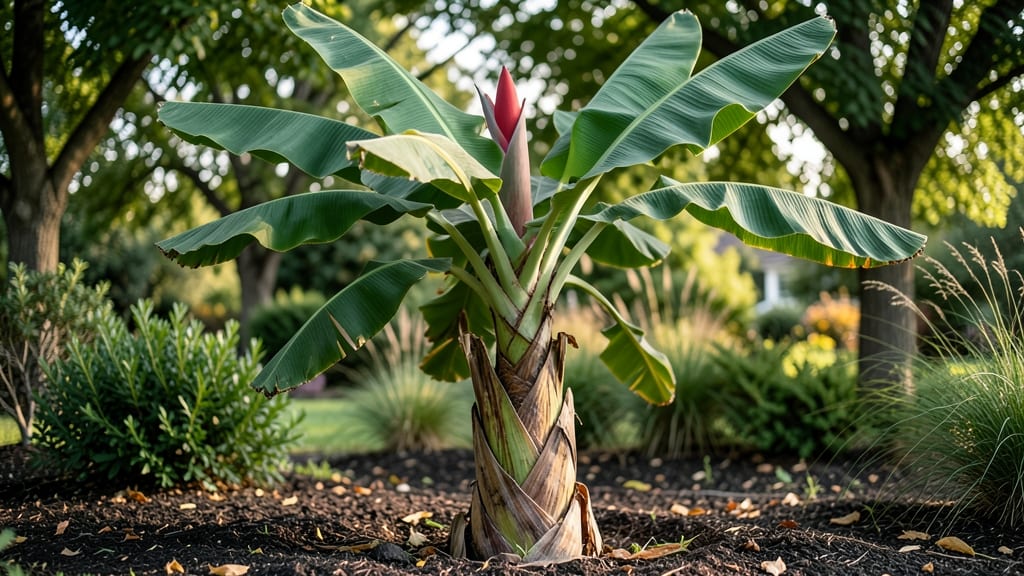
Growing Musa basjoo banana fruit means giant tropical leaves that thrive in your yard—even when temperatures dip below freezing. 🌿 I planted mine last spring and was shocked when it survived our 15°F winter without so much as a browned leaf.
This isn’t your grocery-store banana; it’s a stunning ornamental plant that grows 15-20 feet tall with dramatic foliage.
The secret to success lies in mimicking its native conditions: rich, well-draining soil, full sun, and consistent moisture. Unlike tropical bananas, this variety handles cold snaps, making it perfect for zones 5-9. Just avoid soggy roots—overwatering leads to yellowing leaves and fungal issues.
By summer, you’ll see massive, glossy leaves that rustle dramatically in the breeze. While the fruit is technically edible (though seedy and bland), the real star is the plant itself—its bold presence transforms any garden into a lush, tropical escape. Prune dead fronds in early spring to encourage new growth.
This plant is low-maintenance once established, but watch for banana aphids or scale insects. A strong spray of water usually clears them up. With proper care, your Musa basjoo will reward you with year-round drama, whether it’s winter’s bare stems or summer’s towering canopies.
📚 In This Guide
- What you need
- Instructions
- Tips and common mistakes
- Wrapping up and next steps
What you need
- ● Musa basjoo plant: 1 healthy pup or small plant (3–5 ft tall) from a nursery or trusted grower. Pro tip: 💡 Choose a plant with firm stems and vibrant green leaves!
- ● Well-draining soil: 3–5 cubic yards of a mix of 60% topsoil, 30% compost, and 10% perlite/sand to prevent root rot.
- ● Fertilizer: 1 lb of balanced 10-10-10 fertilizer (for initial planting).
- ● 1 lb of slow-release organic fertilizer (e.g., banana-specific or citrus blend) for ongoing growth.
- ● Mulch: 2–3 bags of wood chips or straw (3–4 inches thick) to retain moisture and regulate soil temperature.
- ● Garden tools: 1 shovel
- ● 1 garden fork (for aerating soil)
- ● 1 pruning shears (for trimming dead leaves)
- ○ Support (optional but helpful): 1–2 bamboo stakes or trellis (6–8 ft tall) to support the plant as it grows.
- ● Watering can or hose: With a soaker nozzle for deep watering.
- ○ pH test kit (optional): To ensure soil pH is between 6.0–7.0 (ideal for Musa basjoo).
- ● Climate: USDA Zones 5–11 (cold-hardy to 15°F with protection).
- ● Sunlight: Full sun (6+ hours/day) for optimal growth and fruiting.
- ● Space: Minimum 10 ft diameter for mature plants (they can reach 10–15 ft tall!).
- ● Patience: Musa basjoo takes 2–3 years to produce fruit, but the leaves alone are a stunning ornamental!
How to grow cold-hardy Musa basjoo bananas: a year-round giant leaf harvest
Here's how to cultivate these dramatic, frost-tolerant plants that deliver bold foliage and edible fruit without tropical fuss.
🌱 Step 1: Select and Prepare Your Planting Site
Choose a location with full sun exposure (6-8 hours daily) and well-draining soil—Musa basjoo roots despise soggy conditions. I test drainage by digging a 12-inch hole, filling it with water, and watching how quickly it drains; if it takes more than 4 hours, amend with 2-3 inches of compost or gritty sand.
These bananas tolerate temperatures down to 20°F but thrive best in USDA Zones 5-9. In colder zones, plant near a south-facing wall or use winter mulch. The ideal spot combines shelter from harsh winds with maximum sunlight—they'll reward you with 10-foot-tall leaves by mid-summer.
🪴 Step 2: Plant Your Banana Rhizome Correctly
Dig a hole twice as wide as the rhizome but only 6-8 inches deep—burying too deep suffocates the plant. Place the rhizome horizontally with the buds facing upward (they look like small bumps). Spread the roots gently outward; forcing them into tight holes causes root damage that stunts growth.
Backfill with native soil mixed with 1 cup of balanced fertilizer (10-10-10) per planting hole. Water deeply immediately after planting to eliminate air pockets. You'll know it's right when the soil settles around the rhizome without gaps—this ensures strong root establishment for the first critical growing season.
☀️ Step 3: Establish a Watering and Fertilizing Routine
Water deeply once weekly during the first growing season, aiming for 1-2 inches of moisture per week. Let the top 3-4 inches of soil dry between waterings—overwatering causes yellowing leaves and root rot. I use a rain gauge to track moisture; if we get heavy rain, I skip scheduled watering to avoid soggy conditions.
Fertilize monthly from spring through summer with a banana-specific fertilizer (high in potassium and magnesium). You'll notice new leaves emerging every 2-3 weeks during peak growth—this is your signal that the plant is thriving. In fall, reduce fertilizing to every 6-8 weeks as growth slows with cooler temperatures.
✂️ Step 4: Prune and Protect for Winter Hardiness
In late fall, cut back dead or damaged leaves to 12 inches above ground level using clean, sharp pruners. This prevents disease buildup and redirects energy to root development. I always sterilize my tools with rubbing alcohol between cuts—banana plants are prone to fungal infections when pruned with dirty tools.
For winter protection in zones colder than 7, mound 12-18 inches of mulch around the base using straw or leaves. The rhizome can survive 20°F without protection, but the mulch insulates against rapid temperature swings. In spring, remove the mulch when new shoots appear—you'll see them breaking through the soil around late April to early May in most climates.
🌿 Step 5: Harvest and Maintain for Long-Term Growth
Harvest banana fruit when the skin turns solid yellow with brown spots—this indicates peak ripeness. The fruit is edible but not as sweet as tropical bananas; I treat them more as a novelty harvest than a primary crop. Remove fruit clusters by cutting the stem 1 inch above the fruit to avoid damaging the plant.
After harvesting, apply a slow-release fertilizer to replenish nutrients. These plants are heavy feeders, and you'll notice new leaf growth within 3-4 weeks if they're well-fed. In late summer, consider dividing mature plants every 3-5 years to maintain vigor—simply dig up the rhizome, separate the suckers, and replant in fresh soil.
Tips & tricks for growing cold-hardy giant leaf bananas
These hard-won lessons will help you coax the most dramatic foliage and hardiest harvest from your Musa basjoo plants.
Site Selection Wisdom: The 6-8 hours of daily sunlight is non-negotiable for those signature 10-foot leaves. I've learned the hard way that even partial shade reduces growth by 30%—look for the sunniest spot in your yard, even if it means moving plants you already have. For drainage tests, I use a simple trowel to probe the soil: if water disappears into the hole within 4 hours, you're golden. If not, amend with gritty sand or compost until you achieve that quick-drainage profile.
Planting Precision: That 6-8 inch depth for rhizome planting is critical—any deeper and you'll smother the plant's natural growth signals. When positioning the buds upward, think "north-facing" if you're in the northern hemisphere—they'll naturally orient toward sunlight. The 1 cup of 10-10-10 fertilizer at planting gives them just enough boost without overwhelming their delicate root systems. I've seen plants stunted from over-fertilizing at this stage.
Winter Survival Strategy: The 20°F tolerance is impressive, but rapid temperature swings are the real killer. In zones colder than 7, I've found that adding 12-18 inches of mulch creates an insulating blanket that maintains consistent soil temperatures. Remove it only when you see those first spring shoots—usually around late April to early May—because cold soil can still damage emerging growth. The mulch should feel like a thick quilt, not just a light covering.
Harvesting Cues: Those solid yellow skins with brown spots are your perfect ripeness indicators, but don't wait too long—the fruit becomes mealy quickly. I harvest by cutting 1 inch above the fruit cluster to preserve the plant's energy flow. After harvesting, the 3-4 week window for new leaf growth is your reward for proper care. If you're not seeing this, check your potassium levels—these plants are voracious feeders and need consistent nutrients.
Pro Tips for Musa Basjoo Banana Fruit
- These hard-won lessons will help you coax the most dramatic foliage and hardiest harvest from your Musa basjoo plants.
- Site Selection Wisdom: The 6-8 hours of daily sunlight is non-negotiable for those signature 10-foot leaves.
- Planting Precision: That 6-8 inch depth for rhizome planting is critical—any deeper and you'll smother the plant's natural growth signals.
Frequently asked questions
Got questions about growing and caring for Musa basjoo (Japanese fiber bananas)? Here are some of the most common queries—plus practical answers to help you cultivate this cold-hardy giant with confidence!
Can Musa basjoo actually produce edible fruit?
The Musa basjoo is often called a "banana," but its fruit is not typically edible for humans. While the flowers are stunning and sometimes used in cooking (like banana blossoms in Southeast Asian cuisine), the fruit itself is small, hard, and bitter. Growers love it for its ornamental leaves and hardiness—not the harvest!
How cold-hardy is Musa basjoo, really?
This plant is one of the hardiest bananas, surviving temperatures as low as 15–20°F (-9 to -7°C) with proper care. However, young plants or newly planted suckers are more vulnerable—mulch heavily in winter and protect with burlap if frost is expected. Established plants often bounce back after light freezes!
How long does it take for Musa basjoo to grow big leaves?
Patience is key! Under ideal conditions (full sun, rich soil, and consistent water), you’ll see noticeable leaf growth within 6–12 months. Giant, dramatic leaves (up to 8 feet long) can take 2–3 years to fully develop. Speed up growth with balanced fertilizer (like 10-10-10) applied in spring and summer.
What’s the best way to propagate Musa basjoo?
The easiest method is dividing suckers—young shoots that emerge from the base. Wait until they’re at least 1–2 feet tall and have their own roots, then carefully dig and transplant. Rooting hormone can help, but these bananas often thrive without it. Avoid propagating from seeds (if available) since they may not retain parent traits.
Why are my Musa basjoo leaves turning yellow or brown?
Yellowing leaves often signal overwatering or poor drainage, while brown edges can mean underwatering or sunburn. Check for:
- Root rot (soggy soil = fungal issues)
- Nutrient deficiency (pale leaves = feed with potassium-rich fertilizer)
- Pests (aphids or spider mites love tender new growth)
Wrapping up and next steps
Growing Musa basjoo bananas is a rewarding adventure that brings lush foliage and unique fruit to your garden—even in cooler climates! 🌱 With the right soil, sunlight, and care, you’ll enjoy year-round harvests and stunning ornamental leaves.
Whether you’re a seasoned gardener or just starting, this cold-hardy variety makes banana cultivation accessible and exciting.
Ready to take the next step? Start small—plant your Musa basjoo in a well-prepared spot and monitor its progress. Soon, you’ll be savoring sweet, creamy fruit or admiring its tropical beauty. Happy growing! 🍌✨