
Size
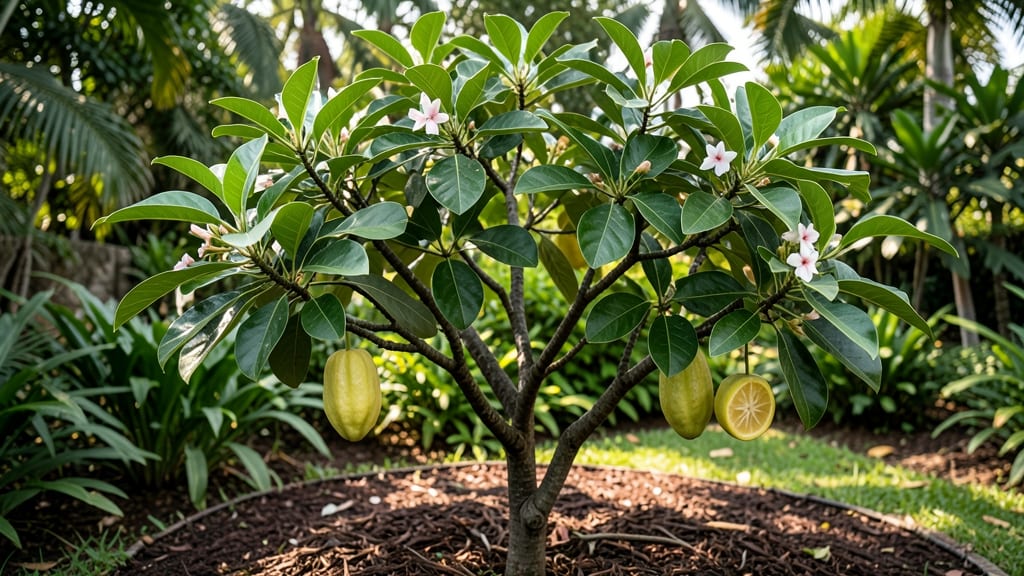
Growing star fruit trees from seeds or cuttings lets you enjoy their signature star-shaped fruit year-round—even if you live outside their native tropics. 🌿 The secret is mimicking their natural environment: warm temperatures, bright light, and well-draining soil.
My first attempt failed because I kept it too cool, but once I moved it to a sunny patio and adjusted the watering, the vine took off.
You’ll need a 10-15 gallon container with drainage holes, a mix of potting soil and perlite, and a spot that gets at least 6-8 hours of sunlight daily.
Star fruit thrives in zones 10-11, but with proper care, it can survive indoors near a sunny window or under grow lights in cooler climates. The key is keeping the soil slightly moist but never soggy—overwatering is the fastest way to kill these tropical plants.
Within 6-12 months, you’ll see those signature star-shaped leaves and, if grown from cuttings, even small fruit. The first harvest might take 2-3 years, but the wait is worth it for fresh, tangy-sweet fruit straight from your patio.
Prune lightly to encourage branching, and watch as the vine fills out into a lush, productive plant. This method works for indoor growers, balconies, or greenhouses—just adjust light and humidity to match your space. Here’s how to get started without common pitfalls like root rot or stunted growth.
📚 In This Guide
- What you need
- Instructions
- Tips and common mistakes
- Wrapping up and next steps
What you need
- ● Star fruit seeds or young saplings: Start with fresh, viable seeds (from organic fruit) or purchase a 1-2 ft tall sapling from a nursery. Pro tip: 💡 Seeds may take 6+ months to sprout, so saplings save time!
- ● Well-draining potting mix: Use a blend of 60% cactus/succulent mix + 30% perlite + 10% coconut coir (or orchid bark). Avoid heavy garden soil!
- ● Containers (for container growing): 5-gallon pot (for saplings) or
- ● 15+ gallon pot (mature trees, 3+ ft wide) with drainage holes.
- ● Slow-release fertilizer: Choose a balanced 10-10-10 or citrus-specific fertilizer (e.g., Osmocote). Apply at planting and every 3-4 months.
- ● Support structure: A trellis, bamboo stake, or sturdy wire cage (for vining varieties like Averrhoa carambola).
- ● Watering can or drip irrigation: Star fruit hates soggy roots—opt for thin, frequent watering (1-2 inches per week).
- ● Humidity tray: A pebble tray with water to boost humidity in dry climates.
- ● Grow lights: If indoors, use a full-spectrum LED grow light (12+ hours/day) for seedlings.
- ● Pruning shears: Sharp, sterilized shears for shaping and harvesting.
- ● Epsom salt: A monthly magnesium boost (1 tbsp per gallon of water) prevents yellowing leaves.
- ● Mulch (organic): Shredded bark or straw to retain moisture and regulate soil temp.
Step-by-step instructions for growing star fruit trees in containers
Here's how to cultivate a thriving star fruit tree at home—even in small spaces.
🌱 Step 1: Select the Right Container and Soil Mix
Star fruit trees need room to grow, so choose a 5-gallon or larger container with drainage holes. I use a 12-inch diameter pot for each tree since they can reach 10-15 feet tall over time. Terra cotta works best because it breathes and prevents root rot in tropical climates.
Fill the pot with a well-draining potting mix—I blend 50% cactus/succulent mix with 50% perlite to mimic their native sandy soil. Avoid garden soil; it compacts and suffocates roots. Add a handful of orchid bark for extra aeration. Moisten the mix until it feels like a damp sponge.
☀️ Step 2: Plant and Position for Maximum Sunlight
Dig a hole in the center of the pot twice as wide as the root ball but no deeper. Gently remove your star fruit tree from its nursery container and loosen the roots if they’re circling. Place it in the hole, then backfill with the prepared mix, pressing lightly to eliminate air pockets.
Star fruit trees crave full sun (6-8 hours daily)—position yours in the brightest spot you have, like a south-facing patio or balcony. If indoors, use a grow light 12 inches above the plant for 14 hours daily. Watch for leaves turning yellow or dropping; that’s your signal to move it closer to the light.
💧 Step 3: Water Deeply and Maintain Humidity
Water your star fruit tree once a week, soaking the soil until water drains from the bottom. Let the top 2 inches of soil dry out between waterings—overwatering is the fastest way to kill these tropical vines. I use a moisture meter to check; aim for 40-60% humidity in the soil.
Mist the leaves daily or place the pot on a pebble tray with water to raise humidity. Star fruit trees thrive in 70-85°F—if your home dips below 60°F at night, move the plant to a warmer spot or use a space heater (keep it 3 feet away to avoid drying out the air).
✂️ Step 4: Prune and Fertilize for Healthy Growth
Prune in late winter to shape the tree and encourage fruiting. Cut back 1/3 of the oldest growth to stimulate new branches. Use sterilized shears to avoid disease, and always make cuts just above a leaf node. Remove any dead or yellowing leaves immediately—they drain energy from the plant.
Feed your star fruit tree monthly with a balanced liquid fertilizer (10-10-10) diluted to half-strength during spring and summer. Reduce to every 6 weeks in fall/winter. I also add Epsom salt (1 tablespoon per gallon of water) every other month to boost magnesium, which prevents yellowing leaves.
🍈 Step 5: Pollinate and Harvest for Fruit
Star fruit trees are self-pollinating, but you can help by gently shaking the branches once a week to distribute pollen. If you have multiple trees, hand-pollinate by transferring pollen with a soft paintbrush between flowers in the morning when they’re open.
Fruit will appear 6-12 months after planting—harvest when it turns bright yellow and smells sweet. Twist gently to avoid damaging the stem. Store in the fridge for up to 2 weeks. If your tree doesn’t fruit, it may need more sun or fertilizer. Patience is key; some trees take 2-3 years to bear consistently.
Tips & tricks for growing star fruit trees in containers
Here's what nobody tells you about keeping your tropical star fruit tree thriving—these little details make all the difference.
Container Size Matters: That 5-gallon minimum is non-negotiable for the first year, but plan to upgrade to a 15-gallon pot within 2-3 years as roots expand. I've seen star fruit trees outgrow their containers quickly—root-bound trees show yellowing leaves and slower growth. If you notice roots circling the drainage holes, it's time to repot. Use a pot just 2-3 inches larger in diameter each time to avoid shocking the plant.
Soil Mix Secrets: While your 50/50 cactus mix and perlite combo is perfect, add a handful of coarse sand (like builder's sand) to improve drainage further. Star fruit trees hate soggy roots—if your mix feels too dense, the tree will struggle even with weekly watering. I also sprinkle orchid bark on top of the soil after planting; it helps retain moisture while preventing compaction.
Lighting Hacks for Indoors: Those 6-8 hours of sunlight are critical, but most homes don't have south-facing windows that bright. If you're using a grow light, position it 12 inches above the plant and use a timer for those 14 hours daily—consistency matters more than intensity. I've found that LED grow lights with full spectrum work better than cheap fluorescent bulbs, and they won't overheat your leaves like incandescent options.
Winter Survival Strategy: When temperatures dip below 60°F at night, move your star fruit tree to a sunny indoor spot near a heat source (but not direct heat). I place mine on a heat mat set to 70°F during winter months—this mimics their tropical habitat. If you can't maintain warmth, consider using a clear plastic tent over the plant to trap heat without suffocating it. The goal is to keep nighttime temps above 65°F to prevent leaf drop.
Pro Tips for Grow Star Fruit
- Here's what nobody tells you about keeping your tropical star fruit tree thriving—these little details make all the d...
- Container Size Matters: That 5-gallon minimum is non-negotiable for the first year, but plan to upgrade to a 15-gallo...
- Soil Mix Secrets: While your 50/50 cactus mix and perlite combo is perfect, add a handful of coarse sand (like builde...
Frequently asked questions
Got questions about growing your own star fruit? Here are answers to some of the most common ones—so you can troubleshoot, plan ahead, and enjoy a bountiful harvest!
Can star fruit grow in containers, or do I need a yard?
Star fruit thrives in containers! Choose a 5-gallon pot or larger with drainage holes, and use well-draining soil. Just ensure it gets full sun (6+ hours/day) and regular watering. Containers work well for patios or balconies—just move them indoors (or to a garage) if temps drop below 30°F (-1°C).
How long does it take for a star fruit tree to bear fruit?
Patience is key! With proper care, star fruit trees typically take 3–5 years to produce fruit. Dwarf varieties may fruit sooner (2–3 years), while standard trees can take longer. Boost fruiting by ensuring full sun, consistent water, and occasional fertilizer (like citrus or fruit-tree blend).
What’s the best way to pollinate star fruit if bees aren’t around?
Star fruit trees are self-pollinating, but cross-pollination can improve yields. If you have one tree, gently shake branches during blooming (morning is best) to spread pollen. For two+ trees, use a small paintbrush to transfer pollen from one flower to another. Avoid overwatering during bloom—soggy soil can drop flowers.
Why are my star fruit leaves turning yellow or dropping?
Yellow leaves often signal overwatering, underwatering, or nutrient issues. Check soil moisture—it should be dry 1–2 inches deep between waterings. Yellow edges? Likely low nitrogen (use a balanced fertilizer). Brown, crispy leaves? Underwatering or salt buildup (flush soil with water). Pests like scale or aphids can also cause stress—treat with neem oil if needed.
Can star fruit survive frost, or do I need to protect it?
Star fruit is tropical and cannot tolerate frost—temps below 30°F (-1°C) will damage or kill the tree. If frost is forecast, move potted trees to a garage, shed, or indoors near a sunny window. For in-ground trees, cover with frost cloth and mulch heavily. Unfortunately, no amount of care can save it from hard freezes.
What’s a good alternative if star fruit is too tricky for my climate?
If your zone is too cold for star fruit, try these similar tropical fruits that are easier to grow:
- Citrus trees (lemon, lime, orange) – Thrive in containers, love sun, and produce year-round in warm climates.
- Passion fruit – Fast-growing vine with edible fruit; needs a trellis and warm weather.
- Guava – Hardy, drought-tolerant, and produces sweet fruit in USDA zones 9–11.
- Pomegranate (dwarf varieties) – Cold-hardier than star fruit and great for containers.
Wrapping up and next steps
Growing your own star fruit tree is a rewarding journey that brings tropical beauty and delicious harvests right to your doorstep! With the right sunlight, soil, and care, you’ll enjoy vibrant flowers, fragrant blooms, and sweet, star-shaped fruits in no time.
Whether you’re a beginner or a seasoned gardener, this tropical vine thrives with patience and consistency—so roll up your sleeves and get ready to taste homegrown success! 🌱✨
Ready to take the next step? Start by planting your seedling or sapling this week, and soon you’ll be savoring the fruits of your labor—literally! Share your progress with fellow plant lovers or explore creative ways to enjoy your harvest, like making star fruit jam or fresh salads.