
Propagation
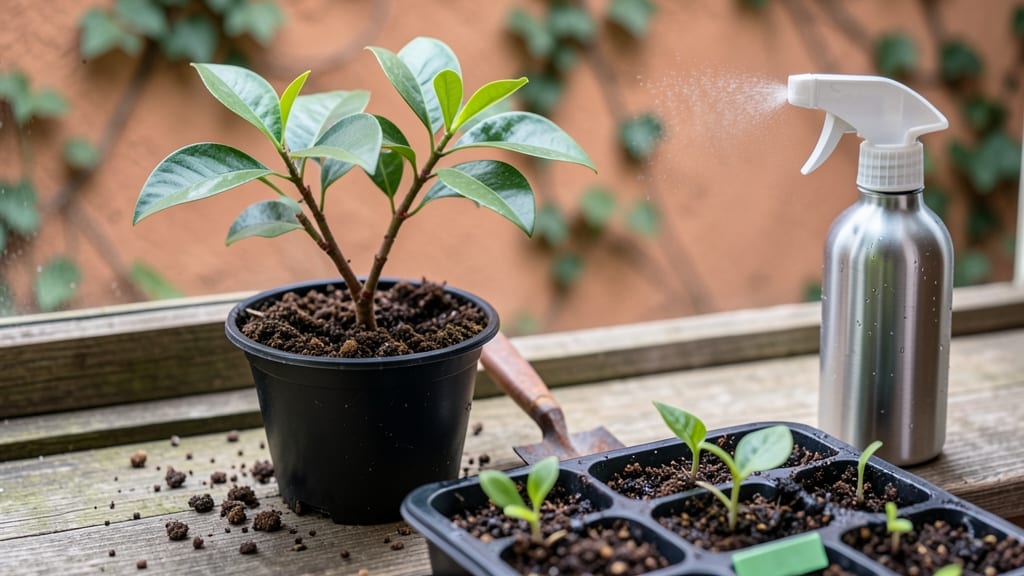
Growing grapefruit from seed unlocks a tropical treasure that could one day shade your patio with fragrant blossoms. 🌱 The process starts with a simple kitchen experiment—planting that discarded seed—and ends with a tree that might (if you're patient) produce fruit in 8-10 years.
My first attempt took root in a sunny windowsill, proving even apartment balconies can nurture citrus dreams. You’ll need just three things: a seed from a fresh grapefruit, a small pot with drainage, and a spot that gets at least 6-8 hours of sunlight daily.
The soil should stay lightly moist but never soggy—overwatering is the #1 killer of young citrus seedlings. Most seeds sprout in 2-4 weeks, though some stubborn ones take twice that long.
Once the seedling has 4-6 true leaves, it’s ready to graduate to a larger pot (5 gallons minimum) with well-draining citrus mix. Transplant carefully to avoid root damage, and expect slow growth—this isn’t a fast-food tree. But the payoff?
A tree that thrives indoors near a sunny window or outdoors in zones 9-11, with glossy leaves and occasional white blossoms. Even if it never bears fruit, the tree makes a stunning ornamental—its glossy foliage and fragrant flowers are worth the wait.
Patience is key: seed-grown grapefruit rarely produce true fruit, but the journey is half the joy. Ready to start your citrus adventure?
📚 In This Guide
- What you need
- Instructions
- Tips and common mistakes
- Wrapping up and next steps
What you need
- ● Grapefruit seeds: 3–5 fresh, plump seeds (from an organic, seed-bearing grapefruit—avoid hybrid varieties like Ruby Red)
- ● Small seed-starting pots or biodegradable peat pellets: 2–3 (3–4 inches in diameter)
- ● Well-draining potting mix: 1 bag (look for a blend labeled "seed starting" or "cactus/succulent mix")
- ● Plastic wrap or humidity dome: 1 (to retain moisture)
- ● Spray bottle (with water): 1 (for gentle hydration)
- ● Grow lights or sunny windowsill: Access to 6–8 hours of indirect light daily (south-facing window or LED grow lights work best)
- ● Larger container (5+ gallons) or garden bed: For transplanting after sprouting (ensure drainage holes!)
- ● Heating mat: 1 (speeds up germination, especially in cool climates)
- ● Fertilizer (balanced 10-10-10 or citrus-specific): Small amount for post-sprout care
- ● Pruning shears: For shaping the tree as it grows
- ● Trellis or support stake: If growing in a container (helps with wind or heavy fruit)
- ● pH test kit: To monitor soil acidity (grapefruits prefer 6.0–7.0 pH)
- ● Patience: Germination can take 2–4 weeks (or longer!)
- ● Warmth: Ideal germination temp: 70–85°F (21–29°C)
- ● Sunny spot: Grapefruit trees love heat—plan for a location with full sun (or supplement with grow lights)
- ● Time for commitment: It takes 5–10 years for a seed-grown grapefruit tree to bear fruit!
Step-by-step instructions for growing grapefruit from seed
Here's how I turn store-bought grapefruit seeds into a thriving tropical tree—no green thumb required.
🌱 Step 1: Extract and Prepare the Seeds
Cut open a ripe grapefruit and scoop out the seeds, then rinse them thoroughly under cool water to remove any pulp. I like to spread them on a paper towel to dry for 24 hours—this prevents mold from forming later. Once completely dry, you'll see the seeds turn slightly darker and feel firm to the touch.
Place the dried seeds in a small bowl of lukewarm water for 12-24 hours. This softens the outer coating and speeds up germination. You'll know they're ready when they float to the surface—they've absorbed enough moisture to start growing. Discard any seeds that remain sunk, as they won't sprout.
🪴 Step 2: Plant the Seeds in Containers
Fill small pots (about 3-4 inches deep) with a well-draining seed-starting mix. I use a blend of potting soil and perlite to ensure good drainage—grapefruit seeds hate soggy soil. Plant 2-3 seeds per pot, burying them just ½ inch deep. Gently press the soil around them to secure them in place.
Place the pots in a warm, sunny spot where the soil stays consistently moist. A south-facing windowsill works well, but avoid direct afternoon sun until the seedlings are established. Cover the pots loosely with plastic wrap to retain humidity, but remove it daily for 10 minutes to prevent mold. You should see sprouts in 2-4 weeks.
☀️ Step 3: Care for Seedlings and Transplant
Once the seedlings reach 4-6 inches tall and have 3-4 true leaves, it's time to transplant them into slightly larger pots (about 6 inches deep). Choose pots with drainage holes to prevent root rot. Use the same well-draining mix, and handle the seedlings gently to avoid damaging their delicate roots.
After transplanting, place the pots in a spot with bright, indirect light for 1 week to help them adjust. Gradually introduce them to more direct sunlight over the next 2 weeks. Water the seedlings when the top 1 inch of soil feels dry, but avoid overwatering—grapefruit trees are drought-tolerant once established.
✂️ Step 4: Prune and Train for Strong Growth
When your grapefruit tree reaches 12-18 inches tall, it's time to prune and shape it. Use clean, sharp pruning shears to trim any leggy or weak stems, cutting just above a leaf node. This encourages bushier growth and a stronger structure. I also remove any suckers (small shoots growing at the base of the trunk) to direct the plant's energy upward.
If your tree starts leaning toward the light, rotate the pot a quarter turn every few days to keep it growing straight. Once the tree is 2 feet tall, you can begin fertilizing it lightly with a balanced, water-soluble fertilizer every 2 months during the growing season. Stop fertilizing in late fall to encourage dormancy.
🌿 Step 5: Maintain and Enjoy Your Tree
As your grapefruit tree matures, it will need a larger pot—aim for 15-20 gallons once it reaches 5-6 feet tall. If you plan to grow it outdoors in a warm climate, transplant it to the ground in a well-draining, sunny spot. Mulch around the base to retain moisture and protect the roots.
Grapefruit trees grown from seed may take 5-10 years to bear fruit, but the journey is worth it. Watch for small, yellow flowers in spring—they're a sign your tree is healthy and ready to produce fruit. Even if it never bears fruit, the lush, tropical foliage makes it a stunning addition to any home.
Tips & tricks for growing grapefruit from seed
Here's what I learned after growing several grapefruit trees from seed—these tricks will help you avoid common pitfalls and give your tropical tree the best start.
Seed Selection: Not all grapefruit seeds are created equal. Choose seeds from organic, ripe grapefruits when possible—they tend to have higher germination rates. I've found that seeds from pink grapefruit varieties often sprout faster than those from white grapefruit. If you're using store-bought fruit, look for seeds that are plump and firm rather than shriveled or hollow.
Germination Acceleration: The 12-24 hour soaking time is crucial, but you can speed things up by using a paper towel germination method. Place your dried seeds between damp paper towels in a sealed plastic bag for 24 hours. Check daily—they'll sprout faster this way, and you can see progress without waiting for them to float. Just be sure to plant them immediately after they sprout to prevent the delicate roots from drying out.
Light Management: During the first 2-4 weeks when your seedlings are establishing, bright indirect light is key. I place mine under a grow light on a 12-hour cycle if natural light isn't sufficient. Avoid placing them in direct sunlight too soon—their delicate leaves can scorch. After the 1-week adjustment period in Step 3, you can gradually introduce more direct sunlight, but do it slowly over those 2 weeks to prevent shock.
Transplanting Strategy: When it's time to transplant your 4-6 inch seedlings, I recommend using a small trowel to gently loosen the soil around the roots before lifting them. This minimizes root damage. Also, water your seedlings thoroughly the day before transplanting—moist roots are easier to handle and recover faster. After transplanting, give them a week of bright indirect light before introducing more direct sunlight to help them adjust.
Pro Tips for Grow Grapefruit From Seed
- Here's what I learned after growing several grapefruit trees from seed—these tricks will help you avoid common pitfalls and give your tropical tree the best start.
- Seed Selection: Not all grapefruit seeds are created equal.
- Germination Acceleration: The 12-24 hour soaking time is crucial, but you can speed things up by using a paper towel germination method.
Frequently asked questions
Got questions about growing grapefruit from seed?
You’re not alone! Here are answers to the most common queries—from patience tips to troubleshooting—so you can grow with confidence.
How long does it take for a grapefruit seed to sprout?
Most grapefruit seeds sprout within 2–4 weeks if kept warm (70–85°F) and moist. Some may take up to 6 weeks—don’t rush it! Use a heat mat or sunny windowsill to speed things up. Patience is key—your little seedling will emerge when it’s ready!
Can I grow grapefruit from seed indoors year-round?
Yes! Grapefruit trees thrive indoors with bright, indirect light (like a south-facing window) and 12+ hours of light daily. Supplement with a grow light in winter. Keep temps above 50°F and use a humidity tray to mimic tropical conditions. Just avoid drafts—your tree’s a diva!
Will my homegrown grapefruit tree actually produce fruit?
Probably not—seed-grown trees rarely fruit (or take 10+ years if they do!). For fruit, graft a citrus variety onto your seedling or buy a young grafted tree. But don’t worry—your seedling is a great ornamental plant with glossy leaves and fragrant blossoms!
Why are my grapefruit seedlings turning yellow or wilting?
Yellow leaves often mean overwatering (check soil moisture—it should be just damp). Wilting could signal underwatering, root rot, or pests (like spider mites). Adjust watering, repot if roots are crowded, and inspect leaves for bugs. A balanced citrus fertilizer (diluted!) can also help revive weak plants.
Can I grow grapefruit from store-bought fruit?
Just wash and dry the seeds thoroughly first to prevent mold. Many grocery-store grapefruits (like Ruby Red or White) work well. Pro tip: Save seeds from organic fruit—conventional seeds may be treated to prevent sprouting.
How do I move my seedling outdoors safely?
Acclimate your seedling to outdoor conditions over 2–3 weeks by placing it in partial shade for a few hours daily, then gradually increase sun exposure. Wait until nighttime temps stay above 55°F and avoid direct sun until hardened off. Potted plants can stay outdoors year-round in warm climates!
Wrapping up and next steps
Growing grapefruit from seed is a rewarding journey that brings a touch of the tropics to your home—even if it takes patience! 🌱 While your seedling may not bear fruit true to the parent plant, the process is a fantastic way to nurture a unique citrus tree and learn the art of propagation.
Once your tree is thriving, consider transplanting it outdoors (in warm climates) or keeping it as a stunning houseplant.
Ready to take the next step? Experiment with other citrus seeds like oranges or lemons, or explore grafting techniques to ensure fruit production. Your green thumb is growing—keep up the great work! 🌟