
Propagation
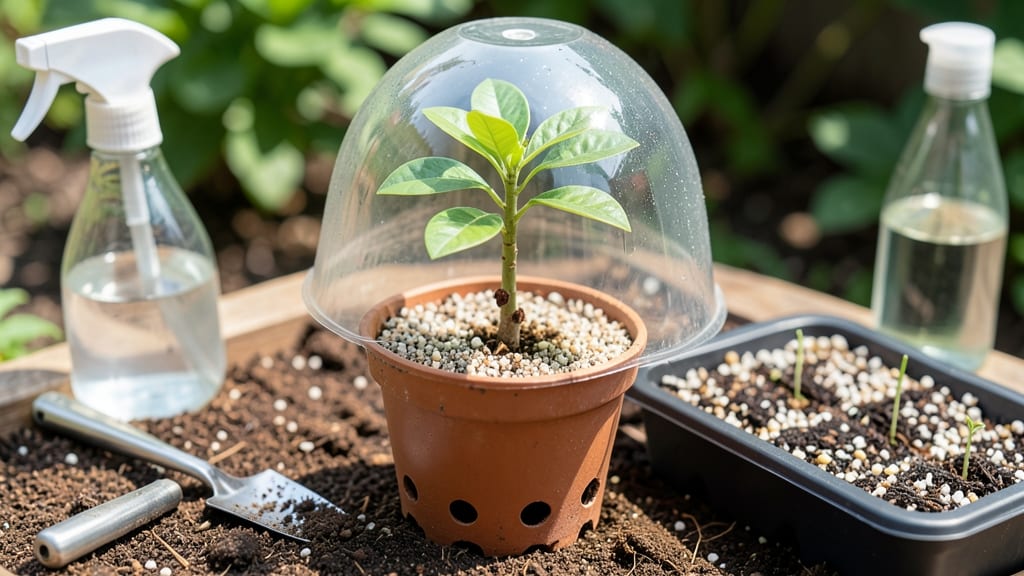
Growing a grapefruit tree from seed is a slow-burning adventure that rewards you with a living piece of citrus history—if you can wait a decade. 🌱 The first step is finding a fresh seed from a ripe grapefruit (the fresher, the better), because older seeds germinate poorly or not at all.
I’ve tried this three times, and only the second attempt—using a seed from a grapefruit I bought at the farmers' market—finally cracked open after 6 months of patience.
The real magic happens in warm soil, where temperatures stay above 70°F consistently. Most gardeners give up here, assuming citrus seeds won’t sprout, but with a heat mat or sunny windowsill, you’ll see those first tiny leaves in 2-4 weeks.
The trick is keeping the soil moist but not soggy—citrus roots hate sitting in water. I use a mix of 50% potting soil and 50% perlite to keep it airy, and a clear plastic bag to trap humidity until germination.
By year one, your seedling will look like a tiny, spiky bush with glossy leaves—but don’t expect fruit anytime soon. Seed-grown grapefruit trees take 8-12 years to bear, and even then, the fruit won’t be true to the parent plant.
Still, the thrill of watching it grow, the fragrant blossoms in spring, and the chance to propagate your own citrus make it worth every wait. The hard part? Resisting the urge to transplant too soon—keep it in a pot until it’s at least 2 feet tall.
Here’s the catch: most seed-grown grapefruits won’t produce edible fruit worth harvesting, but that’s not the point. This is about the journey—watching roots tangle through a pot, training it to grow bushy, and maybe even grafting a known variety later.
If you’re in USDA zones 9-11, you can eventually plant it outside; cooler climates mean it’ll stay a houseplant forever. Either way, it’s a living legacy.
📚 In This Guide
- What you need
- Instructions
- Tips and common mistakes
- Wrapping up and next steps
What you need
- ● Grapefruit seeds: 3–5 fresh, organic seeds (avoid store-bought seeds treated with chemicals).
- ● Seed-starting mix: 1 small container (4–6 inches deep) of well-draining, sterile potting soil (or a mix of 50% peat moss and 50% perlite).
- ● Small pots or seed trays: 2–3 biodegradable pots (3–4 inches in diameter) or a seed tray with individual cells.
- ● Plastic wrap or humidity dome: To create a mini greenhouse effect.
- ● Spray bottle: For gentle watering (avoid over-saturating seeds).
- ● Grow lights or sunny windowsill: A warm, bright spot (70–85°F) with 6–8 hours of indirect light daily.
- ○ Fertilizer (optional): A balanced, water-soluble fertilizer (5-10-5 or 10-10-10) for young seedlings.
- ● Pruning shears: Small, sharp scissors for trimming (once the tree grows taller).
- ● Warmth: Grapefruit seeds need consistent warmth (70–85°F) to germinate—consider a heat mat if your home is chilly.
- ● Humidity: High humidity (70%+) speeds up germination. A humidity dome or plastic wrap helps!
- ● Patience: Germination can take 2–4 weeks (or longer). Stay consistent!
- ● A pH meter (ideal soil pH: 6.0–7.0 for citrus).
- ● Citrus-specific fertilizer (once transplanted to a larger pot).
- ● A trellis or stake for support as the tree grows.
- ● Mulch (when outdoors) to retain moisture and regulate soil temperature.
Step-by-step instructions for growing a grapefruit tree from seed
Here's how to nurture a grapefruit seed into a thriving citrus sapling—it takes time, but the reward is worth it.
🌱 Step 1: Extract and Prepare the Seed
Start with a fresh grapefruit seed—never dried or stored ones, as they won’t germinate. Rinse it thoroughly under cool water to remove all fruit residue, then pat it dry with a paper towel. I like to soak the seed in warm water for 12 hours to soften the outer coating, which speeds up germination.
After soaking, place the seed between two damp paper towels in a sealed plastic bag. Store it in a warm spot (75-85°F), like on top of the fridge. Check daily—once the seed splits open and a small white root emerges (5-10 days), it’s ready for planting. Don’t let the towels dry out, or the seed will stall.
🪴 Step 2: Choose the Right Container and Soil
Use a 4-inch diameter pot with drainage holes—grapefruit seedlings hate soggy roots. Fill it with a mix of 50% potting soil and 50% perlite or coarse sand to ensure airflow. I avoid garden soil because it compacts and retains too much moisture.
Plant the seed ½ inch deep, pressing lightly to secure it. Water gently until the soil is moist but not saturated. Place the pot in a warm, bright spot—indirect sunlight is best at first. A seedling heat mat (70-75°F) keeps the soil warm and encourages faster growth.
☀️ Step 3: Provide Optimal Light and Humidity
Once the seedling sprouts (7-14 days), move it to a south-facing window or under a grow light for 12-14 hours daily. Grapefruit trees need bright light to prevent leggy growth—watch for stems stretching toward the light. If leaves turn pale or grow sparse, the light is insufficient.
Keep humidity high by covering the pot with a clear plastic dome or misting the air daily. A humidity tray (pebbles + water) beneath the pot also helps. After 4-6 weeks, when the seedling has 3-4 true leaves, remove the cover gradually to harden it off.
💧 Step 4: Water and Fertilize for Healthy Growth
Water when the top inch of soil feels dry—overwatering causes root rot. Use room-temperature water to avoid shocking the roots. I fertilize lightly every 4-6 weeks with a balanced citrus fertilizer (10-10-10) diluted to half strength. Too much fertilizer burns young roots.
By 6 months, your seedling should be 12-18 inches tall with a sturdy trunk. At this stage, transplant it into a 1-gallon pot with fresh soil. Keep it indoors until spring, then gradually acclimate it to outdoor conditions if you live in a warm climate.
⏰ Step 5: Prune and Train for Strong Structure
Once the tree reaches 2 feet tall, prune leggy branches to encourage bushier growth. Use clean, sharp scissors to trim just above a leaf node. I also pinch back the tips of new growth to promote branching—this is key for a compact, sturdy tree.
If you want a single-trunk tree, tie the main stem to a small stake for support. Avoid heavy pruning—citrus trees are sensitive, and aggressive cuts stress them. With patience, your grapefruit tree will reward you with fragrant blossoms (and eventually fruit) in 3-5 years.
Tips & tricks for growing a grapefruit tree from seed
Between us, growing a grapefruit tree from seed isn't rocket science—it's about patience and paying attention to the little details. Here's what I've learned the hard way after watching countless seeds fail to sprout.
Germination Conditions: The 12-hour warm water soak is non-negotiable for breaking the seed's dormancy. I've tried skipping it, and germination takes twice as long—or doesn't happen at all. Place your sealed bag of damp towels in a warm spot where it won't get jostled, like on top of your fridge. That consistent 75-85°F range is critical—any cooler and the seedling will stall, any warmer and it risks overheating.
Light and Humidity Balance: Once your seedling sprouts in 7-14 days, resist the urge to move it to direct sunlight immediately. Start with bright, indirect light for the first week to prevent leaf scorch. I use a south-facing window with sheer curtains to diffuse the intensity. The humidity dome should stay on until you see 3-4 true leaves—this prevents the delicate seedling from drying out too quickly during its most vulnerable stage.
Soil Science: That 50/50 potting soil to perlite/sand mix isn't just about drainage—it's about creating the perfect air-to-moisture ratio. I've ruined seedlings by using garden soil, which compacts and suffocates roots. After planting, water until moisture runs through the drainage holes, then let it dry slightly before watering again. The top inch test is foolproof—stick your finger in and feel for dryness before adding more water.
Pro Tips for Grow A Grapefruit Tree From Seed
- Between us, growing a grapefruit tree from seed isn't rocket science—it's about patience and paying attention to the little details.
- Germination Conditions: The 12-hour warm water soak is non-negotiable for breaking the seed's dormancy.
- Light and Humidity Balance: Once your seedling sprouts in 7-14 days, resist the urge to move it to direct sunlight immediately.
Frequently asked questions
Got questions about growing a grapefruit tree from seed? You’re not alone—this citrus adventure takes patience and know-how! Here are answers to the most common curiosities to keep your green thumb thriving.
How long does it take for a grapefruit seed to sprout?
A grapefruit seed typically sprouts within 2–4 weeks if kept in warm, moist conditions (around 70–80°F). Keep the soil consistently damp but not soggy, and place the pot in bright, indirect light. If nothing happens after 6 weeks, gently check for mold or rot—your seed might need a cozier spot!
Will a grapefruit tree grown from seed produce fruit?
Yes, but not for 5–10+ years! Seed-grown trees are unpredictable—they may yield small, tart fruit (or none at all) and take longer to bear than grafted varieties. If you want sweeter, reliable fruit faster, consider grafting later or buying a young tree from a nursery.
What’s the best temperature for growing grapefruit seeds indoors?
Grapefruit seeds thrive in warmth (70–90°F). Use a seedling heat mat or place the pot near a sunny window (south-facing is ideal). If your home dips below 60°F at night, move the pot to a warmer spot or use a grow light. Cold drafts can stunt growth—keep it snug!
Can I grow a grapefruit tree in a pot forever?
While young trees can live in pots for years, they’ll need upgraded space as they grow. Aim for a 15–20 gallon pot by year 3, with drainage holes. If you’re in a cold climate, plan to move it indoors in winter or risk losing it. For long-term success, transplant outdoors in USDA zones 9–11 when established.
Why are my grapefruit seedlings turning yellow or wilting?
Yellow leaves or wilting often mean overwatering, underwatering, or pests. Check the soil—it should be moist but not soggy. Look for spider mites or aphids on undersides of leaves (spray with neem oil if needed). Too much direct sun can also scorch seedlings; start with dappled light and gradually increase exposure.
Wrapping up and next steps
Growing a grapefruit tree from seed is a rewarding journey that blends patience with the joy of nurturing life from the smallest beginnings.
While it may take years for your seedling to bear fruit, the process itself is a fascinating lesson in nature’s resilience—and your green thumb! 🌱 Once your tree reaches maturity, you’ll not only enjoy its lush foliage but also the sweet, tangy reward of homegrown grapefruits.
Ready to take the next step? Start small: plant your seed today, and let your curiosity (and your tree!) grow. Before you know it, you’ll be sharing tips with fellow citrus enthusiasts—or even grafting your tree for faster fruiting. The citrus wonder begins with you!