
Companion Plants
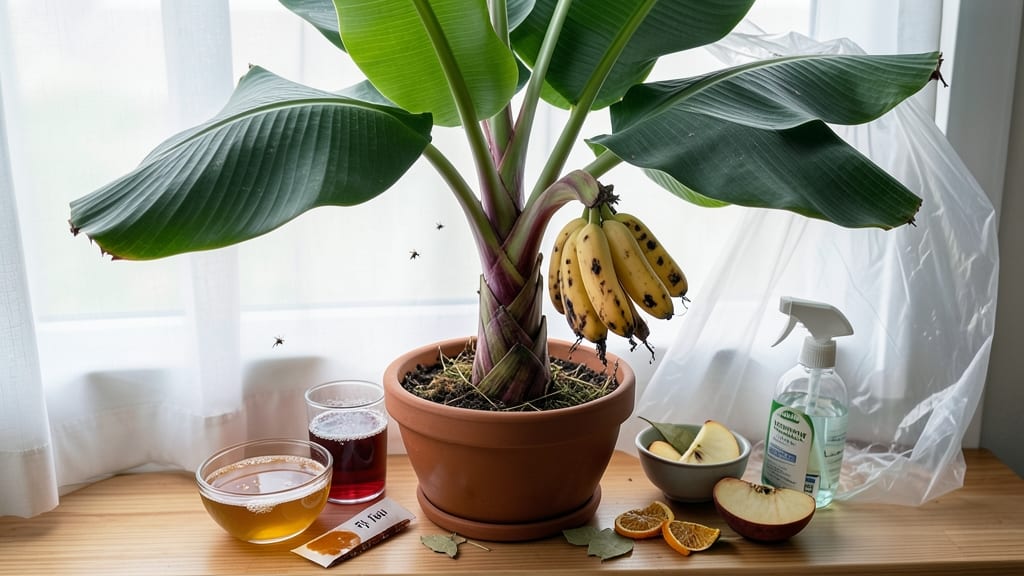
How to get rid of fruit flies in plants naturally—without harsh sprays or toxic chemicals—is simpler than you think. Fruit flies swarming your houseplants or kitchen windowsill are a nightmare until you try these foolproof natural methods that actually work. 🌱 I’ve battled them in my own herb garden, and the secret isn’t harsh sprays but simple, organic traps and tweaks that keep them gone for good. The key is disrupting their life cycle: clean up rotting fruit, improve airflow, and set up traps they can’t resist. A classic vinegar-and-dish-soap trap catches dozens in a day, while citrus peels or overripe bananas lure them into sticky traps. For houseplants, focus on the soil—damp, decaying organic matter is their favorite breeding ground. You’ll see results within 24 hours, with flies disappearing faster than you’d expect. The best part? These methods are pet-safe and won’t harm your plants, just their tiny, annoying visitors. No more swatting at them while cooking—just peace. Works for indoor plants, citrus trees, and even outdoor potted herbs. Here’s exactly how to set it up without chemicals.
📚 In This Guide
- What you need
- Instructions
- Tips and common mistakes
- Wrapping up and next steps
What you need
- ● Apple cider vinegar (ACV) – ½ cup (for traps)
- ● Water – 1 cup (for diluting ACV)
- ● Small bowl or jar – 1 (8 oz or larger)
- ● Plastic wrap or aluminum foil – Enough to cover the bowl/jar
- ● Rubber band or string – 1 (to secure the wrap)
- ○ Overripe fruit (optional but helpful) – 1-2 pieces (bananas, apples, or citrus)
- ● Dish soap (unscented) – 1 tsp (for DIY spray)
- ● Spray bottle – 1 (8 oz, for mixing solutions)
- ● Citrus peels (orange, lemon, or grapefruit) – 2-3 peels (for repellent)
- ● Small fan or open window – For ventilation (if using traps indoors)
- ● Essential oils (eucalyptus, peppermint, or lemongrass) – 5-10 drops (for stronger repellent)
- ● Red wine or beer – ¼ cup (alternative trap liquid)
- ● Hair dryer (cool setting) – For drying damp areas fruit flies love
- ● Companion plants (basil, mint, or lavender) – Potted or in-ground (long-term prevention)
Step-by-Step instructions for eliminating fruit flies naturally
Here's my go-to approach for clearing out fruit flies without chemicals—proven in both houseplants and garden beds.
🪴 Step 1: Identify and Remove Infested Plant Material
Start by inspecting your plants for overripe or rotting fruit, fallen leaves, or soil buildup—these are fruit flies' favorite breeding grounds. Use a small spoon or your fingers to scoop out any decaying matter from plant pots or garden soil. I always check under leaves too, where moisture collects and creates perfect fly habitats.
Don't just toss the debris—double-bag it in plastic and leave it outside for 2-3 days. Fruit flies will die without access to food, and you won't risk spreading eggs back to your plants. If you're dealing with houseplants, wipe down leaves with a damp cloth to remove any hidden fruit fly eggs or larvae.
💧 Step 2: Set Up Natural Traps to Reduce Populations
Fill a small bowl with apple cider vinegar and a drop of dish soap—this creates an irresistible but deadly mix for fruit flies. The vinegar mimics overripe fruit, while the soap breaks their surface tension so they can't escape. Place traps near infested plants and check them daily, dumping the drowned flies and refreshing the mixture every 3-4 days.
For a visual trap, try a red wine bottle with a funnel made from paper—fruit flies are drawn to the color and get stuck inside. Hang these near windows or plant clusters where flies congregate. This method is chemical-free and works within 5-7 days if combined with other steps.
☀️ Step 3: Improve Airflow and Light Exposure
Fruit flies thrive in warm, humid, and shaded conditions. Move infested plants to a bright spot with good airflow—this disrupts their breeding cycle. If you're dealing with indoor plants, open windows for 10-15 minutes daily (weather permitting) to let fresh air circulate. Avoid overwatering, as soggy soil attracts flies—water only when the top inch of soil feels dry.
Outdoor plants benefit from pruning to improve airflow. Trim back dense foliage and remove any dead leaves where moisture can collect. I also rotate potted plants occasionally so all sides get equal light exposure—this makes the environment less hospitable for fruit flies.
✂️ Step 4: Prevent Future Infestations with Regular Maintenance
Once you've eliminated the flies, keep your plants healthy to prevent reinfestation. Clean up fallen fruit or debris immediately—even small pieces can harbor eggs. For houseplants, wipe down leaves with a neem oil solution (1 tsp neem oil per quart of water) weekly. This natural pesticide deters flies without harming plants.
Outdoor gardeners should mulch properly—keep mulch 2-3 inches away from plant stems to reduce moisture buildup. I also recommend companion planting with herbs like basil or mint, which repel fruit flies naturally. A little prevention goes a long way in keeping your garden fly-free.
Tips & tricks for natural fruit fly elimination
These simple but effective strategies will help you tackle fruit fly infestations faster and more thoroughly than you might expect.
Timing is Everything: When you double-bag that plant debris in Step 1, leave it outside for the full 2-3 days—this ensures fruit flies have no access to food, which kills off both adults and larvae. I learned this the hard way after rushing the process and seeing flies return within days. That extra day makes all the difference!
Trapping Efficiency: For Step 2's vinegar traps, place them near windows or fruit bowls where flies congregate. The key is consistency—refresh the mixture every 3-4 days without fail. I've found that adding a few drops of vanilla extract to the vinegar solution makes the traps even more effective, as flies are irresistibly drawn to that scent.
Airflow Matters: In Step 3, don't just move plants to a bright spot—actively improve airflow by using a small fan on low setting near infested areas. Fruit flies can't thrive in moving air, and this simple trick helps disrupt their breeding cycle faster. For houseplants, I open windows for the full 10-15 minutes daily, even if it's just a small crack in the window.
Prevention is Key: The neem oil solution in Step 4 is your best defense against future infestations. Mix it up weekly and apply it to leaves—this natural pesticide creates an inhospitable environment for fruit flies. I also keep a spray bottle of plain water nearby to rinse off leaves after application, as neem oil can leave a residue that some plants don't like.
Pro Tips for Get Rid Of Fruit Flies In Plants Naturally
- These simple but effective strategies will help you tackle fruit fly infestations faster and more thoroughly than you might expect.
- Timing is Everything: When you double-bag that plant debris in Step 1, leave it outside for the full 2-3 days—this ensures fruit flies have no access to food, which kills off both adults and larvae.
- Trapping Efficiency: For Step 2's vinegar traps, place them near windows or fruit bowls where flies congregate.
Frequently asked questions
about fruit flies in plants—here’s what you need to know to tackle these pesky invaders naturally!Why do fruit flies keep coming back even after I’ve cleaned up?
Fruit flies have a strong sense of smell and can detect fermenting organic matter from miles away! Even a tiny piece of rotting fruit or spilled juice can lure them back. Pro tip: Inspect your kitchen and plants thoroughly—check under pots, in cracks, and behind appliances. Seal trash bins tightly and compost properly to break their cycle!
How long does it take to see results with natural remedies?
Most natural methods like vinegar traps or companion plants (e.g., basil or mint) start working within 24–48 hours, but complete elimination can take 1–2 weeks depending on the infestation size. Consistency is key—replace traps every 3–4 days and monitor plant health closely.
Can I use essential oils safely around my plants?
Yes, but dilute them properly! Essential oils like peppermint, eucalyptus, or lemongrass are effective, but undiluted oils can harm plants. Mix 10–15 drops per cup of water and spray lightly on leaves (avoid direct sunlight). Test on a small area first—some plants (e.g., citrus) are sensitive. Bonus: Reapply every 2–3 days for best results!
What if my plants are already damaged by fruit flies?
If larvae have infested soil or fruit, prune affected areas immediately and dispose of them in sealed bags (not compost). For root damage, repot the plant in fresh, sterile soil and treat with a neem oil solution (1 tsp neem oil + 1 quart water). Monitor closely—healthy plants recover faster with proper care!
Will cold temperatures kill fruit flies?
Fruit flies hate cold! While they won’t survive freezing temps (32°F/0°C), this isn’t a long-term fix. For outdoor plants, bring them inside during cold snaps. For indoor plants, reduce humidity (flies thrive in damp areas) and use fans to create airflow. Combine this with traps for a 1-2-3 punch against infestations!
Wrapping up and next steps
Say goodbye to those pesky fruit flies without harsh chemicals! By using natural traps, companion plants, and preventive care, you’ve got all the tools to keep your garden thriving. Remember, consistency is key—check your traps regularly and maintain cleanliness to stop future infestations.
Now that you’re armed with these eco-friendly solutions, take action today! Start with one method, observe the results, and build your own customized plan. Happy gardening—and happy fly-free growing! 🌱✨