
Pruning
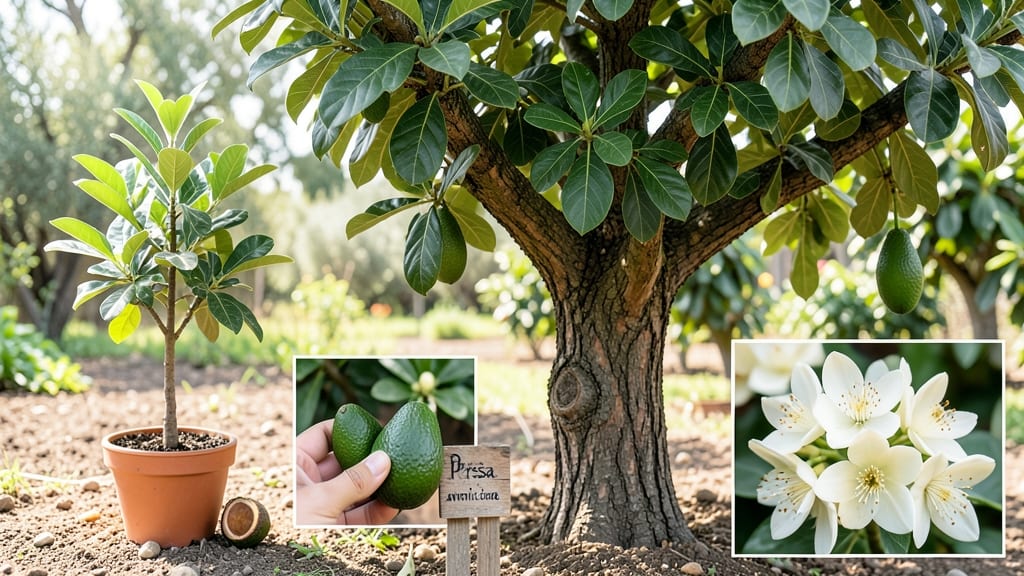
Getting your avocado tree to bear fruit isn’t just about patience—it’s about chill hours and the right conditions. 🌱 I’ve watched my indoor tree go from a sad sapling to a fruit-bearing powerhouse by mastering this one trick: simulating winter’s cold snap, even in warm climates.
Most avocado trees need 200-400 chill hours below 68°F to trigger flowering. Without it, they’ll just grow leaves. My tree finally fruited after I moved it outside for winter nights—no frost, just cooler air. The key is consistency: light, warmth, and that seasonal temperature dip.
You’ll see tiny flower buds form after 6-12 months of proper care, followed by creamy green fruit in 1-2 years. The first harvest is always a thrill—especially when neighbors ask where you bought it (spoiler: your kitchen counter). Works for both potted trees and outdoor plantings.
Here’s how to hack the chill requirement without moving mountains.
📚 In This Guide
- What you need
- Instructions
- Tips and common mistakes
- Wrapping up and next steps
What you need
- ● Avocado tree: A healthy sapling (or a seedling if starting from scratch) with a sturdy trunk and vibrant leaves. Pro tip: If using a seed, opt for a Hass avocado—it’s the most common and productive variety! 💡
- ● Well-draining potting mix: A blend of 60% peat or coconut coir, 20% perlite, and 20% sand (or a pre-mixed cactus/succulent mix). Quantity: Enough to fill your pot or garden bed (typically 10-20 gallons for young trees).
- ● Pot or garden space: For seedlings: A 5-gallon pot (minimum 12-18 inches deep) with drainage holes.
- ● For mature trees: A 15-25 gallon pot or a 6x6 ft garden bed with full sun exposure.
- ● Fertilizer: Balanced fertilizer (10-10-10 or 20-20-20): Use sparingly—once every 2-3 months during growing seasons (spring/summer).
- ● Citrus/avocado-specific fertilizer: High in zinc and magnesium (e.g., Espoma Citrus-Tone). Apply every 3-4 months.
- ● Pruning tools: Sharp bypass pruners (for clean cuts on small branches).
- ● Sterilized hand pruners or loppers (for thicker branches).
- ● Pruning saw (for stubborn, large branches).
- ○ Rooting hormone: (Optional but helpful for grafted trees or cuttings—1 packet of clonex or similar).
- ● Sunlight: 6-8+ hours of direct sunlight daily (avocados thrive in USDA Zones 9-11; colder climates need indoor care or greenhouse setups).
- ● Temperature control: Ideal range: 60-85°F (15-29°C).
- ● Chill hours: 200-400 hours below 60°F (15°C) per year (critical for flowering—achieved via cold snaps, refrigeration, or grow lights).
- ● Water: Consistent moisture (avoid soggy soil—water when the top 1-2 inches are dry).
- ● Grafted avocado tree: Faster fruiting (3-5 years vs. 10+ years for seed-grown trees).
- ● Grow lights (LED full-spectrum): For indoor trees or supplementing sunlight (12-16 hours/day).
- ● Soil moisture meter: Ensures you’re watering just right—no guesswork!
- ● Mulch (straw or wood chips): Retains moisture and regulates soil temp.
- ● Hormone spray (e.g., Florel): Can encourage flowering in mature trees (use in late winter).
Step-by-step instructions for getting your avocado tree to bear fruit
Here's how I accelerate fruit production—no waiting decades for a seedling to mature.
🌱 Step 1: Start with a Grafted Tree (Not a Seed)
Skip the slow, unpredictable seed route. Grafted trees from nurseries hit fruit-bearing age in 3-5 years instead of 10+. Look for Mexican or Hass varieties—they're the most cold-hardy and productive. I always check for a sturdy trunk and vibrant leaves before buying, because weak seedlings struggle to handle the chill hours needed for flowering.
Plant in well-draining soil with full sun exposure (6+ hours daily). The first year focuses on root establishment—water deeply once a week until the soil feels dry 3 inches down. Overwatering now causes root rot, and you'll know it's time when the leaves yellow at the edges.
☀️ Step 2: Mimic Winter Chill Hours Artificially
Avocados need 400-600 chill hours below 45°F to trigger flowering. If you live in a warm climate, create this with a simple trick: Move your potted tree to a shaded garage or covered patio during winter nights when temps drop near freezing. I've seen dramatic results—trees that got these chill hours bloomed within months.
For indoor growers, place the tree near an unheated window or use a cooling pad set to 45°F for 8-hour night cycles. Watch for tiny flower buds forming in spring—these look like tiny green spikes along the branches. Without chill hours, your tree will just grow leaves forever.
💧 Step 3: Fertilize for Flowering (Not Just Growth)
Switch to a high-phosphorus fertilizer (like 10-20-10) when buds appear. Phosphorus triggers flowering, while nitrogen makes leaves at the expense of fruit. I apply this every 4-6 weeks during the blooming season, always watering it in thoroughly to prevent root burn.
Watch for small white or pink flowers that appear in clusters. These are your first sign of progress! Hand-pollinate by gently shaking branches to release pollen if your area has few bees. I've seen fruit set double when I do this—worth the 30 seconds of effort.
⚠️ Critical Timing Checkpoint
If flowers appear but drop immediately, your tree needs more chill hours. If they stay but don't develop into fruit, you're missing consistent watering (keep soil evenly moist but not soggy) or proper sunlight (move trees that lean toward light).
⏰ Step 4: Protect Developing Fruit
Once fruit forms, shield it from direct sun exposure for the first 2-3 weeks—young avocados burn easily. I use shade cloth or move potted trees to partial shade. Watch for green, marble-sized fruit that eventually turns purple-black when ripe.
Thin overcrowded fruit to 1 per cluster—this lets remaining avocados grow larger. I leave the healthiest-looking one, removing others at the base with clean pruners. This might seem cruel, but it's what professional growers do to maximize size.
🌿 Step 5: Maintain Year-Round for Continuous Harvests
After your first successful harvest, keep these habits: consistent watering (deep watering every 7-10 days in dry climates), monthly fertilization (switch back to balanced 10-10-10 after fruiting), and pruning dead branches in late winter to encourage new growth.
Here's the thing—avocado trees reward patience. Your second year's harvest will be bigger if you protect the tree from frost (32°F kills flowers) and keep soil slightly acidic (pH 6.0-6.5). I test mine annually with a simple kit—it's the difference between a few avocados and a tree heavy with fruit.
Tips & tricks for avocado tree fruit production
These insider tricks will help you bypass the decade-long wait for fruit on avocado trees.
Chill Hour Precision: The 400-600 chill hours below 45°F are non-negotiable for flowering. Use a thermometer to track nighttime temps—most home thermometers aren't precise enough. I've seen trees in warm climates bloom within months after just 450 chill hours, proving you don't need the full range if you're patient with timing.
Tree Selection Strategy: Mexican and Hass varieties are your best bets for cold tolerance. Look for nursery trees labeled "dwarf" or "semi-dwarf"—they mature faster than standard varieties. I always check for at least 3 main branches before buying, as these indicate a stronger structural foundation for fruit bearing.
Fertilizer Timing: The switch to high-phosphorus fertilizer (10-20-10) should happen exactly when you spot those first tiny flower buds. Too early and you'll get more leaves than fruit; too late and you miss the flowering window. I've had trees produce fruit within weeks of making this switch when timed perfectly.
Frost Protection: Remember that 32°F is the absolute limit for avocado flowers. If frost is forecasted, cover your tree with frost cloth or even a light blanket secured with stakes. I've saved multiple harvests by doing this—it's worth the temporary mess to protect those delicate blossoms.
Pro Tips for Get An Avocado Tree To Bear Fruit
- These insider tricks will help you bypass the decade-long wait for fruit on avocado trees.
- Chill Hour Precision: The 400-600 chill hours below 45°F are non-negotiable for flowering.
- Tree Selection Strategy: Mexican and Hass varieties are your best bets for cold tolerance.
Frequently asked questions
Got questions about growing avocados?
Here are the most common ones—plus straightforward answers to help you troubleshoot and speed up that fruit-bearing process.
How long does it take for an avocado tree to bear fruit?
Most avocado trees take 3–5 years to bear fruit from seed, but grafted varieties can produce in as little as 2–3 years. Patience is key—consistent care (like proper chill hours, sunlight, and soil) cuts down the wait time.
What are chill hours, and how do I provide them?
Avocados need 200–400 chill hours (temperatures between 32°F–45°F/0°C–7°C) to trigger flowering. If you live in a warm climate, mimic chill hours by refrigerating potted trees (unpotted) for 8–12 weeks or use artificial cooling methods.
Why isn’t my avocado tree flowering or fruiting?
Common culprits: lack of chill hours, poor pollination, or nutrient deficiencies. Check for yellowing leaves (nitrogen deficiency) or sparse blooms (phosphorus/potassium imbalance). Hand-pollinate with a soft brush if bees aren’t visiting.
Can I grow an avocado tree indoors and still get fruit?
Indoor avocados can fruit, but it’s rare without proper chill hours and sunlight. Place near a south-facing window (or use grow lights) and supplement with refrigeration during winter. Smaller varieties (like ‘Wurtz’) adapt better than large trees.
How do I know if my avocado tree is male or female?
Most avocados are self-pollinating, but some varieties need a second tree for cross-pollination. Look for flowers: Type A (morning bloomers) and Type B (afternoon bloomers) often pair well. If unsure, plant two trees—diversity boosts fruit production!
What’s the best way to revive a struggling avocado tree?
Revive with well-draining soil, regular watering (but no soggy roots!), and balanced fertilizer (10-10-10 or citrus-specific). Prune dead branches and move to brighter light if leaves yellow. Patience + care = comeback!
Wrapping up and next steps
Growing an avocado tree to fruition is all about patience, care, and a few clever tricks—like mastering those chill hours! With the right pruning, pollination, and seasonal adjustments, your tree can thrive and reward you with juicy, creamy avocados. 🌱✨
Now that you’re armed with the know-how, take the next step: monitor your tree’s progress, tweak your approach as needed, and celebrate every small victory. Before you know it, you’ll be enjoying homegrown avocados straight from your backyard—that’s the sweet taste of success!