
Blooming
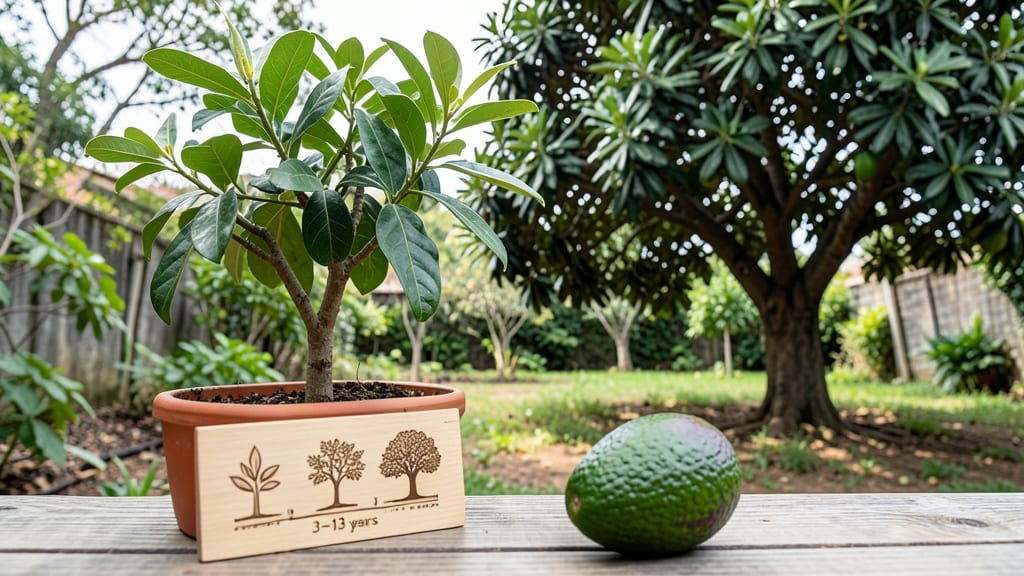
Producing fruit from an avocado tree takes 5 to 13 years, depending on the variety and growing conditions — a wait that can feel agonizing when you’re dreaming of fresh guacamole.
If you’ve ever dreamed of harvesting fresh, creamy avocados straight from your backyard, patience is key—but how long exactly should you wait? The answer depends on the variety, growing conditions, and a few surprising factors most gardeners overlook.
For example, grafted trees (like Hass or Fuerte) often bear fruit in 3 to 6 years, while those grown from seed can take 10 to 13 years or longer. Climate, soil quality, and even pollination play a bigger role than many realize.
In this guide, I’ll break down the timeline by variety, share tips to encourage earlier fruiting, and reveal why some trees never produce—plus how to fix it.
Avocado tree fruit production timeline by variety: from seed to harvest
Growing an avocado tree from seed to fruit-bearing maturity is a rewarding but patience-testing journey. While some varieties produce fruit in as few as 3-5 years, others may take 10+ years—especially when grown from seed.
The key difference lies in whether your tree is seed-grown or grafted, as well as the specific variety you choose. Let’s break down the timelines for popular avocado varieties so you know exactly what to expect.
Seed-grown avocado trees are the slowest producers because they must develop their own root system and mature naturally. Grafted trees, on the other hand, are cloned from mature fruit-bearing trees and can produce fruit 2-4 years earlier.
If you’re eager for avocados, grafting is the way to go—but even then, climate and care play huge roles in speeding up or delaying fruiting.
Below is a detailed comparison of the most popular avocado varieties, including their typical fruiting timelines, whether they’re best grown from seed or grafted, and key milestones like flowering and first harvest. This will help you set realistic expectations and plan your garden accordingly.
| Variety | Grown From | Time to First Fruit (Years) | Full Production (Years) | Flowering Age (Years) | Fruit Characteristics |
|---|---|---|---|---|---|
| Hass | Seed or Grafted | 5-7 (seed) / 3-5 (grafted) | 7-10 | 4-6 | Dark purple/black skin, creamy fruit |
| Fuerte | Grafted Only | 4-6 | 6-8 | 3-5 | Green skin, thick flesh, mild flavor |
| Reed | Grafted Only | 5-7 | 7-10 | 4-6 | Thin skin, buttery texture, sweet taste |
| Bacon | Grafted Only | 6-8 | 8-12 | 5-7 | Green skin, large size, rich flavor |
| Seed-Grown (Generic) | Seed | 10-13+ | 12-15+ | 7-10 | Unpredictable fruit quality |
The Hass variety is the most popular choice for home gardeners because it’s hardy and productive. When grafted, it can produce fruit as early as 3-5 years, while seed-grown Hass trees may take 5-7 years or longer.
The Fuerte variety, on the other hand, is best grown from grafts and tends to fruit 4-6 years after planting, making it one of the faster options.
If you’re growing avocados in containers, expect even longer timelines—2-3 extra years—since root growth is restricted. Container-grown trees also produce smaller fruit and may require more frequent pruning to manage size.
For best results, choose dwarf or semi-dwarf grafted varieties like Hass or Fuerte and ensure your container is at least 15-20 gallons in size.
One critical milestone to watch for is flowering. Avocado trees produce two types of flowers: Type A and Type B, which bloom at different times. For successful pollination—and thus fruit production—you’ll need both types on your tree or nearby trees.
If you’re growing a single tree, consider planting a second variety (like Hass and Fuerte together) to ensure cross-pollination.
Once your tree starts flowering, the next phase is fruit set. Not all flowers
Climate and growing conditions that speed up or delay avocado fruit production
Avocado trees thrive in warm climates, but their fruit production timeline can vary dramatically based on your local conditions. In USDA zones 9-11, where frost is rare, trees often bear fruit in 3–5 years.
However, in cooler zones like 8 or below, expect delays of 7–13 years due to slower growth and stress from temperature fluctuations. The right balance of sunlight, soil, and water can shave years off this timeline—or extend it if neglected.
One critical factor is temperature consistency. Avocados need warmth year-round, with ideal daytime temps between 75–85°F. Even a single frost can kill young trees, while extreme heat above 95°F can stunt flowering.
In Zone 7 or colder, growers often use container culture to move trees indoors during winter, accelerating fruit production by 2–4 years compared to in-ground planting.
⚠️ WARNING: Common Mistake That Delays Fruit Many gardeners assume more water = faster growth, but overwatering leads to root rot, which weakens trees and delays fruiting. Avocados prefer well-draining soil with 60% sand and 40% organic matter.
In heavy clay soils, amend with compost and perlite to prevent waterlogging. Even in drought-prone areas, deep watering once weekly (not daily shallow watering) encourages stronger root systems and earlier flowering.
Sunlight is another game-changer. Avocados require full sun (6+ hours daily), but intense afternoon heat (like in desert climates) can stress trees. In Zone 10+, provide light afternoon shade during peak summer to protect young trees.
Conversely, in Zone 8–9, ensure no obstructions block morning sun, which kickstarts photosynthesis and fruit development. A south-facing location maximizes sunlight exposure.
Soil pH also plays a hidden role. Avocados prefer slightly acidic soil (pH 6.0–7.0). If your soil is too alkaline (common in calcium-rich areas), add elemental sulfur or pine needles to lower pH. Nutrient deficiencies—especially zinc or potassium—can delay fruiting.
Conduct a soil test every 2 years and supplement with citrus-specific fertilizer (high in zinc) during spring and summer.
Pollination is often overlooked but critical. Most avocado varieties are self-pollinating, but cross-pollination increases yield. Plant two compatible varieties (e.g., Hass + Fuerte) within 50 feet to boost fruit set.
In container-grown trees, hand-pollinate with a small brush if bees are scarce. Even with perfect conditions, young trees (under 3 years) prioritize foliage growth over fruit, so patience is key.
To speed up production, focus on these three high-impact actions:
- Mulch heavily (3–4 inches of wood chips) to retain moisture and regulate soil temp;
- Prune strategically—remove only dead or crossing branches to avoid shocking the tree; and
- Use dwarf rootstock (like Mexican or West Indian types) for faster fruiting in containers.
With these adjustments, even in Zone 8, you can see fruit in 5–7 years instead of a decade.