
Pests
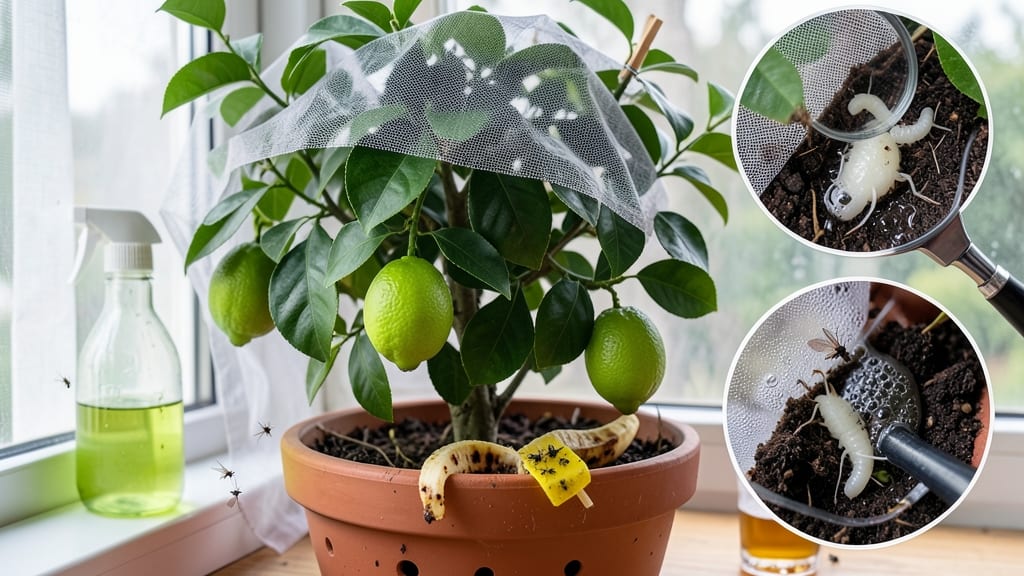
Houseplant fruit flies turn your green sanctuary into a buzzing nightmare faster than you can say "overripe banana." 🌱 I’ve battled these tiny terrors in my collection of ferns and peace lilies, and after three failed attempts with store-bought sprays, I finally cracked the code—24-hour elimination without chemicals or drama.
The problem starts when fruit flies detect moisture and decay in your soil, often from overwatered plants or hidden organic matter. My monstera and pothos became breeding grounds because I ignored the tiny white eggs hiding in the top layer of soil.
The good news? You don’t need fancy tools—just a simple trap using apple cider vinegar and dish soap that works in hours.
By morning, your countertops will be clear of swarms, and your plants will stay safe from root damage. The secret is targeted traps placed near infested plants, plus a few preventative habits like checking soil moisture and cleaning up fallen leaves.
No more sneaky eggs slipping past you—just peace and thriving greenery.
This method works for any plant prone to fruit flies, from ferns to figs, and keeps your home fly-free without harming your leafy friends. Let’s make those flies disappear for good—starting tonight.
How tiny flies invade your plants
Those pesky houseplant fruit flies (scientifically known as Drosophila melanogaster or Drosophila suzukii) don’t just appear out of thin air—they’re drawn to your green companions by a mix of irresistible cues.
Understanding why they show up is the first step to kicking them out for good. Let’s break down the science behind their uninvited visits.
Fruit flies are nature’s recyclers, but their timing is terrible for your peace of mind. These flies are attracted to fermenting sugars, ethanol, and organic acids produced by decaying plant material. Here’s why your houseplants become a buffet:
- Ethanol production: When plant tissue breaks down—whether from overripe fruit, fallen leaves, or even moldy soil—yeast and bacteria trigger fermentation. This releases ethanol (alcohol), which fruit flies detect from up to half a mile away.
- Volatile organic compounds (VOCs): Rotten fruit and decomposing leaves emit acetic acid, ethyl acetate, and other smelly chemicals that act like a dinner bell. Studies show flies can smell these compounds in concentrations as low as 1 part per billion.
- Moisture + warmth = breeding ground: Damp soil or soggy potting mix creates the perfect humid microclimate for fungal growth, which further attracts flies. Pro tip: If your plant’s soil smells funky, it’s already a fly magnet.
Actionable fix: Remove any decaying plant debris immediately—even a single overripe fig or moldy leaf can trigger a swarm. (We’ll cover cleanup strategies later!)
Fruit flies aren’t just snacking on the surface—they’re also laying eggs in your soil. Their larvae thrive in environments rich in fungal spores, decaying roots, and organic waste. Here’s how it happens:
- Fungal attraction: Flies are drawn to moldy or composting soil because fungi produce volatile organic compounds (VOCs) like geosmin (the "earthy" smell) and 1-octen-3-ol (a mushroomy scent). These are like neon signs to adult flies.
- Larval life cycle: Females lay eggs in moist, nutrient-rich soil. Within 24–48 hours, larvae hatch and burrow in, feeding on fungi, bacteria, and decomposing roots. Their waste? More VOCs, creating a self-perpetuating stink cycle.
- Overwatering = fly paradise: Soil that stays consistently damp (not just moist) becomes a breeding ground. Fun fact: Even a single overwatered African violet can host hundreds of larvae in a week.
Actionable fix:
- Let the top 1–2 inches of soil dry out between waterings.
- Sterilize soil by baking it at 200°F (93°C) for 30 minutes to kill fungal spores and larvae.
- Use cinnamon or diatomaceous earth as a soil barrier (flies avoid it!).
Fruit flies have a sweet tooth, and if your plants (or nearby surfaces) are coated in sugary substances, they’ll descend like vultures. Here’s what lures them:
- Nectar & honeydew: Some houseplants (like monstera, peace lilies, or spider plants) produce sticky sap or honeydew, a sugary byproduct of aphids or scale insects. Flies mistake this for overripe fruit.
- Human-made attractants: Residue from fertilizer sprays, plant food drips, or even fruit fly traps (if misplaced) can leave behind sugary films that flies can’t resist.
- Alcohol-based cleaners: Rubbing alcohol or hand sanitizer left on leaves can ferment over time, releasing ethanol fumes that call flies.
Actionable fix:
- Wipe down leaves with a damp microfiber cloth to remove sticky residues.
- Avoid spraying fertilizers directly on leaves—always apply to soil.
- Store fruit fly traps away from plants; a few escaped flies can contaminate the area.
Fruit flies aren’t just flying around—they’re physically accessing your soil through gaps in your potting setup. Here’s how:
- Large soil particles or chunks: If your potting mix has big aggregates, bark, or compost chunks, they create air pockets that flies can exploit to lay eggs deep inside.
- Cracks in pots: Terracotta pots develop microfractures over time, and plastic pots can warp, allowing flies to crawl in and out undetected.
- No drainage holes: Pots without drainage traps excess water, turning the soil into a soupy, anaerobic environment that flies love for breeding.
Actionable fix:
- Use well-draining mixes with perlite, vermiculite, or orchid bark.
- Repot in crack-free containers (or line terracotta pots with plastic liners).
- Add a 1-inch layer of gravel or charcoal at the bottom of pots to improve drainage and deter flies.
Next up: We’ll dive into how to turn these triggers into traps—because once you know why they’re here, you can outsmart them with science-backed elimination tactics!
Quick Fixes for Tiny Winged Invaders
Got an unexpected infestation of tiny, buzzing pests near your houseplants? Don’t panic—these houseplant fruit flies (or fungus gnats) are easier to evict than you think! The key is acting fast with targeted solutions.
Below, we’ve mapped out the most common causes of these pesky visitors and the easiest fixes to kick them out for good. Plus, we’ll share pro tips to keep them from crashing your plant party again.
Fruit flies (the Drosophila type) are drawn to decaying organic matter like overripe bananas, squishy berries, or forgotten veggies. If your countertop or windowsill is a buffet for them, clean up first—then trap and prevent.
🍳 Step-by-Step Fix:
- 🗑️ Remove the Attraction
- Toss any rotting produce, spills, or compost scraps near your plants. Even a single overripe tomato can spawn hundreds of flies in days!
- Wipe down surfaces with vinegar and water (1:1 ratio) to eliminate residual odors.
- 🕷️ DIY Trap in 5 Minutes
- Fill a small bowl or jar with apple cider vinegar (or red wine). Add a drop of dish soap to break the surface tension.
- Cover loosely with plastic wrap and poke tiny holes. Flies enter but can’t escape—dispose of them daily.
- Pro tip: 💡 Place traps near soil (flies lay eggs in moist organic matter) and far from food (so you don’t accidentally catch beneficial insects).
- 🌡️ Prevent Future Feasts
- Store fruit in the fridge (even if it’s “room temp” friendly).
- Freeze overripe produce or blend it into smoothies instead of leaving it to ferment.
- Use airtight containers for compost bins if keeping them indoors.
Fungus gnats (the sciarid fly type) thrive in soggy soil, where their larvae munch on roots. If you’ve been giving your plants extra love with water, you might’ve created a gnat paradise.
👨🍳 Step-by-Step Fix:
- 💦 Adjust Your Watering Habits
- Let the top inch of soil dry out between waterings. Stick your finger in—if it’s damp, wait!
- Use pots with drainage holes and a cache pot (tray) underneath to catch excess water.
- Pro tip: 🌡️ Try the "knuckle test": If your knuckle feels cool after pressing into the soil, it’s too wet.
- 🔪 Yellow Sticky Traps
- Cut yellow cardstock or paper into strips and coat with honey or petroleum jelly.
- Hang them above the soil—adult gnats will land and get stuck.
- Replace every 3–4 days for maximum effectiveness.
- 🛡️ Soil Treatments (Natural & Fast)
- Hydrogen peroxide (3%): Mix 1 part H₂O₂ to 4 parts water, then water your plant with it. This kills larvae without harming roots.
- Beneficial nematodes: Tiny microscopic worms that eat gnat larvae. Mix with water and apply to soil (available at garden centers).
- Sand or perlite: Amend heavy soil with coarse sand or perlite to improve drainage and deter eggs.
- ✨ Long-Term Prevention
- Mulch with cinnamon or diatomaceous earth (food-grade only!) on topsoil to repel adults.
- Rotate plants occasionally to disrupt the gnat life cycle.
- Use saucers with pebbles to prevent water pooling (gnats love moisture).
Even a tiny gap can let fruit flies waltz in from outside. If you’ve tried trapping but the swarm persists, your home might be their open-air lounge.
🔒 Step-by-Step Fix:
- 🕵️♂️ Inspect Entry Points
- Check windows, doors, vents, and gaps around pipes for cracks wider than a dime.
- Seal with caulk or weatherstripping—flies can squeeze through spaces smaller than a credit card!
- 🌬️ Improve Airflow
- Use screened vents or fan screens to keep flies out while allowing fresh air.
- Open windows briefly in the morning (flies are less active then) and close them by evening.
- 🚫 Outdoor Prevention
- Keep outdoor trash cans sealed and away from windows.
- Clean gutters and roof edges—standing water or debris can attract flies.
- Plant fly-repelling herbs like basil, mint, or lavender near entryways.
If the swarm is relentless, combine methods for a one-two punch: - Traps + soil treatments + sealing entry points = a gnat-free zone in 3–7 days. - For severe infestations, consider insecticidal soap (spray lightly on leaves—avoid overuse). - Pro tip: ✨ Essential oil spray: Mix 10 drops peppermint or eucalyptus oil with 1 cup water and spray around plants (test on leaves first!).
Flies hate the scent!
Remember: Patience is key. It can take a week or two to fully eliminate a colony, but with these steps, you’ll send those tiny winged squatters packing—for good. Happy plant parenting! 🌿🚫🪰
Frequently asked questions
Why do I keep seeing fruit flies around my houseplants even though I don’t have fruit nearby?
Houseplant fruit flies are drawn to decaying organic matter, not just fruit! They love damp soil, moldy leaves, or even overripe produce hiding in your plant collection. Check for soggy potting mix, fallen leaves, or hidden compost scraps—these become breeding grounds. Even a single overwatered plant can trigger a swarm!
How long does it take for DIY traps to eliminate a fruit fly infestation?
With consistent trapping using apple cider vinegar and dish soap, you’ll see noticeable reductions in 24 hours. For complete elimination, it typically takes 3-7 days since flies have a short life cycle. Replace traps daily and focus on removing moisture sources to break their breeding cycle.
Are these fruit flies harmful to my plants?
Adult fruit flies don’t damage plants, but their larvae burrow into soil and feed on roots and fungi. This can weaken your plants over time, especially delicate varieties like ferns or peace lilies. The good news? Natural remedies like hydrogen peroxide or beneficial nematodes target larvae without harming your plants.
Can I use essential oils to repel fruit flies from my houseplants?
Mix 10 drops peppermint or eucalyptus oil with 1 cup water in a spray bottle and lightly mist around your plants (test on leaves first). Flies hate these scents, and it’s a chemical-free way to deter them. Reapply every few days or after watering.
What’s the difference between houseplant fruit flies and fungus gnats?
Fruit flies (Drosophila) are attracted to fermenting sugars and often swarm near decaying fruit or compost. Fungus gnats (sciarid flies) prefer damp soil and lay eggs in potting mixes. While both are annoying, fungus gnat larvae can damage roots—so adjust watering habits and use yellow sticky traps for targeted control.