
Fertilization
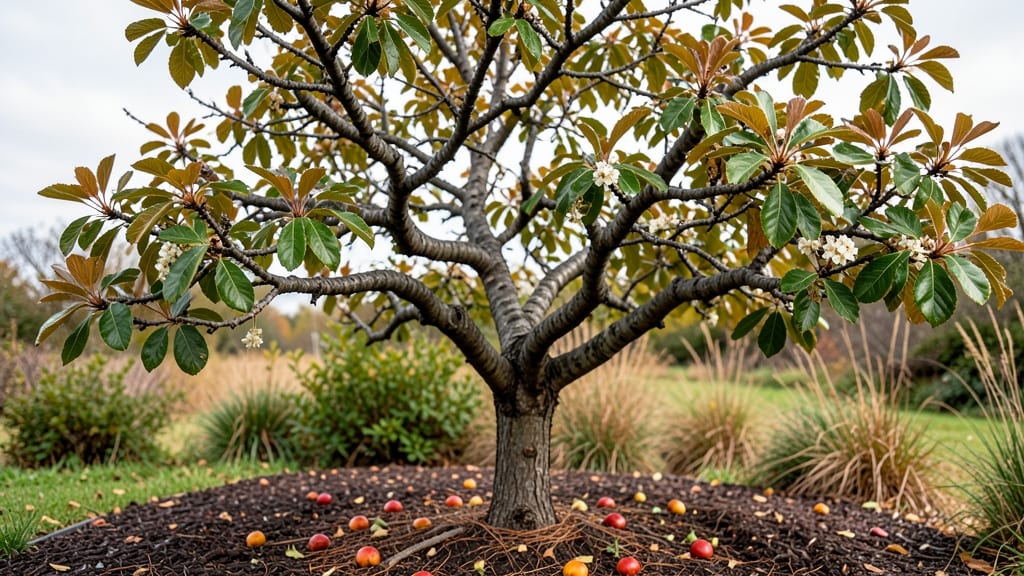
Growing hog apple fruit in containers is easier than you think—these tropical vines produce sweet, lantern-like fruits with almost no fuss. 🌱 I’ve grown them for years, and once you try them, you’ll never buy store-bought again.
The key is replicating their natural habitat: bright light, well-draining soil, and just enough water to keep roots happy without drowning them.
These plants thrive in 5-gallon containers or larger, making them perfect for patios, balconies, or even sunny windowsills. Start with a balanced fertilizer at planting, then feed lightly every 4-6 weeks during growing season.
Unlike many tropical plants, hog apples tolerate a little neglect—just avoid soggy soil, and you’ll get a bumper crop of those golden, papery fruits hiding inside.
Harvest begins in late summer, when the fruits turn yellow and the lanterns start to wrinkle. The flavor? A mix of pineapple, citrus, and a hint of earthy sweetness—great fresh, in jams, or even dried.
With minimal pruning (just trim leggy growth), you’ll get pounds of fruit from a single plant, and the vines keep producing for years.
Best of all, they’re disease-resistant and rarely bothered by pests, so you won’t waste time spraying or fussing. Whether you’re a first-time gardener or a seasoned pro, these vines deliver foolproof results with almost no effort. Ready to grow yours?
📚 In This Guide
- What you need
- Instructions
- Tips and common mistakes
- Wrapping up and next steps
What you need
- ● Hog apple plant: 1 healthy Cyphomandra betacea plant (purchased from a nursery or propagated from cuttings)
- ○ Optional: Seeds (if starting from scratch—though germination can be slower and less reliable)
- ● Container: 1 large 5-gallon+ pot (minimum 18" deep) with drainage holes (required for root health)
- ○ Optional: Self-watering planter or fabric grow bag for better moisture control
- ● Growing medium: 1 bag well-draining potting mix (e.g., 60% peat moss, 30% perlite, 10% compost)
- ○ Optional: Cactus/succulent mix (for improved aeration)
- ● Fertilizer: 1 bottle balanced liquid fertilizer (10-10-10 or 20-20-20, diluted to half-strength)
- ● 1 packet slow-release granular fertilizer (e.g., osmocote, 14-14-14)
- ○ Optional: Organic options like fish emulsion or worm castings
- ● Tools: 1 pair pruning shears (sterilized)
- ● 1 trowel (for repotting)
- ● 1 spray bottle (for misting young plants)
- ○ Optional: pH testing kit (to monitor soil acidity, ideal range: 5.5–6.5)
- ● Location: Full sun to partial shade (6+ hours of sunlight daily, but protect from harsh afternoon sun in hot climates)
- ● Note: Hog apples thrive in USDA Zones 10–12 but can be grown indoors with grow lights in cooler zones.
- ● Temperature: Ideal range: 65–85°F (18–29°C)
- ● Critical: Avoid temperatures below 50°F (10°C)—this plant is not frost-tolerant!
- ● Humidity: Moderate to high humidity (50–70% preferred)
- ○ Optional: Humidifier or pebble tray for indoor growth
- ● Watering setup: Watering can with rose attachment (for gentle, deep watering)
- ○ Optional: Drip irrigation system for automated care
Step-by-step guide to growing hog apple fruit in containers
This tropical vine rewards patience with fragrant, edible fruit—here's how to coax it into thriving in pots.
🌱 Step 1: Select the Right Container and Soil Mix
The hog apple (Solanum jasminoides) needs a 5-gallon minimum container with drainage holes—its roots despise soggy conditions. I use terra cotta pots because they wick away excess moisture, which prevents the fungal issues this plant faces. Fill the bottom third with orchid bark mix for aeration, then add well-draining potting soil enriched with perlite (20% of the mix).
This vine's native habitat is humid but well-drained, so the key is mimicking that balance. Press the soil gently around the root ball when planting—too much compaction will strangle those delicate feeder roots. I always add a handful of composted leaf mold to the mix for slow-release nutrients, which this heavy feeder appreciates.
☀️ Step 2: Position for Maximum Sunlight and Humidity
Place your container in a spot with full sun exposure (6-8 hours daily) but with afternoon shade if your climate exceeds 90°F. Hog apples tolerate heat but will drop buds when stressed. I've found that east-facing windows work best in temperate zones—morning sun without the afternoon intensity.
Mist the foliage daily during dry spells to maintain 60-70% humidity—this plant's glossy leaves wilt dramatically when air dries out. Grouping pots together creates a microclimate, or use a pebble tray with water underneath (just ensure the pot sits above the waterline). Watch for yellowing leaf edges—that's your signal the air is too dry.
💧 Step 3: Water Deeply and Establish a Routine
Water when the top 2 inches of soil feel dry to the touch, but never let the roots sit in water. I use the "soak-and-drain" method: pour water until it runs freely from the drainage holes, then wait 10 minutes before adding more. This prevents the root rot that claims many container-grown specimens.
Fertilize every 4-6 weeks during growing season with a balanced liquid fertilizer (10-10-10) diluted to half strength. Hog apples respond poorly to heavy feeding—too much nitrogen produces lush foliage at the expense of fruit. You'll know you're doing it right when you see small white flowers appearing in spring and summer.
✂️ Step 4: Prune for Airflow and Encourage Fruit Set
Minimal pruning is key—just remove dead or yellowed leaves and trim back any leggy growth that exceeds 18 inches. I pinch back the tips of new growth in early summer to encourage bushier, more productive vines. The goal is to maintain an open canopy so air circulates freely, preventing the powdery mildew that often affects container-grown specimens.
After flowering, watch for small green fruits that resemble tiny tomatoes. These will turn yellow when ripe—harvest them immediately to encourage more production. Never let them stay on the vine past maturity, or the plant will shift energy away from flowering next season.
🪴 Step 5: Overwinter and Prepare for Next Season
When temperatures drop below 50°F, move your container indoors near a south-facing window or under grow lights. Reduce watering to every 10-14 days and stop fertilizing entirely. The plant will go semi-dormant, so don't be alarmed if it drops some leaves—this is normal.
In early spring, prune back any dead growth and repot if roots are circling the container. This is the time to refresh the soil with new potting mix and a slow-release fertilizer to jumpstart growth. You'll see new shoots within 3-4 weeks if everything's right—proof your plant survived winter ready to fruit again.
Tips & tricks for perfect hog apple fruit growth
Here's what nobody tells you about keeping this tropical vine thriving in containers without the usual headaches.
Container Size Matters: That 5-gallon minimum isn't just a suggestion—it's non-negotiable for roots that spread aggressively. I've seen hog apples in 3-gallon pots struggle with stunted growth and poor fruit set. If you're tempted to go smaller, think again: the roots need room to breathe, especially when combined with the orchid bark mix that prevents compaction. For extra insurance, choose a container that's 2-3 inches wider than the root ball to give those feeder roots space to expand laterally.
Soil Science: The 20% perlite in your potting mix isn't just for drainage—it's the secret weapon against fungal issues. I've found that adding a handful of horticultural charcoal (optional but game-changing) to the mix helps absorb excess salts that can build up from fertilizers. This plant's native habitat is volcanic soil, so we're essentially recreating that mineral-rich environment in our containers. Press the soil gently around the root ball—too much compaction will suffocate those delicate feeder roots, leading to yellowing leaves and poor growth.
Heat Management: When your climate exceeds 90°F, that afternoon shade isn't optional—it's survival mode. I've learned this the hard way after watching buds drop on plants left in full sun during heatwaves. For extreme heat, move containers to shaded areas or use shade cloth (30-50% coverage) to filter sunlight while still allowing light penetration. The goal is to keep leaves from wilting while protecting those sensitive flowers from heat stress.
Fertilizer Strategy: The 4-6 week feeding schedule is perfect, but here's the trick: alternate between your balanced liquid fertilizer and a low-nitrogen, high-phosphorus formula (like 5-10-10) during flowering season. This shift encourages fruit set while preventing the lush foliage that hog apples produce when overfed with nitrogen. I've seen plants with beautiful leaves but no flowers—don't let that happen to yours. The key is to see those small white flowers appear within 2-3 weeks of switching to the phosphorus-rich feed.
Pro Tips for Hog Apple Fruit
- Here's what nobody tells you about keeping this tropical vine thriving in containers without the usual headaches.
- Container Size Matters: That 5-gallon minimum isn't just a suggestion—it's non-negotiable for roots that spread aggressively.
- Soil Science: The 20% perlite in your potting mix isn't just for drainage—it's the secret weapon against fungal issues.
Frequently asked questions
Got questions about growing and caring for hog apple fruit?
You’re not alone! Here are answers to the most common queries to help you cultivate this tropical vine with confidence.
What’s the best time of year to plant hog apple fruit?
Plant hog apple fruit in spring or early summer when temperatures are warm (above 60°F) and frost risk is zero. This gives the vine time to establish roots before cooler weather. If you’re in a tropical or subtropical zone, you can plant year-round!
How long does it take for hog apple fruit to bear fruit?
With ideal conditions, hog apple vines can produce fruit in 2–3 years. Patience is key—young plants focus on leafy growth first. Provide consistent water, sunlight, and fertilizer to speed up fruiting. Once established, expect harvests in late summer or fall.
How often should I water hog apple fruit?
Water deeply 2–3 times per week during dry spells, ensuring the soil stays moist but not soggy. Hog apple vines are drought-tolerant once mature, but young plants need regular hydration. Morning watering prevents fungal issues. Reduce watering slightly in winter if your climate is dry.
Can I eat hog apple fruit raw, or does it need cooking?
Hog apple fruit is edible but tart and astringent raw—best used in cooked dishes like jams, pies, or stews. Some cultures ferment or dry the fruit for preservation. If you’re unsure, try a small piece peeled to gauge your tolerance!
Why aren’t my hog apple vines flowering or fruiting?
Common culprits include insufficient sunlight (6+ hours daily), nutrient deficiencies (try a balanced fertilizer), or immature plants. Prune lightly to encourage airflow and check for pests. If your vine is healthy but still not flowering, it may need more time—hog apples are slow starters!
Wrapping up and next steps
Discovering the hog apple fruit is like unlocking a hidden gem in your gardening journey! 🌿 With its hardy nature and adaptability to containers, this tropical vine is perfect for both beginners and seasoned growers.
Whether you're drawn to its unique fruit or its low-maintenance charm, you now have all the tools to nurture a thriving plant—even with minimal pruning.
Ready to take the next step? Start small—plant your hog apple vine in a sunny spot, keep it well-watered, and watch it flourish! Soon, you’ll be enjoying its lush foliage and maybe even a few tasty treats. Happy growing! 🌱