
Plants
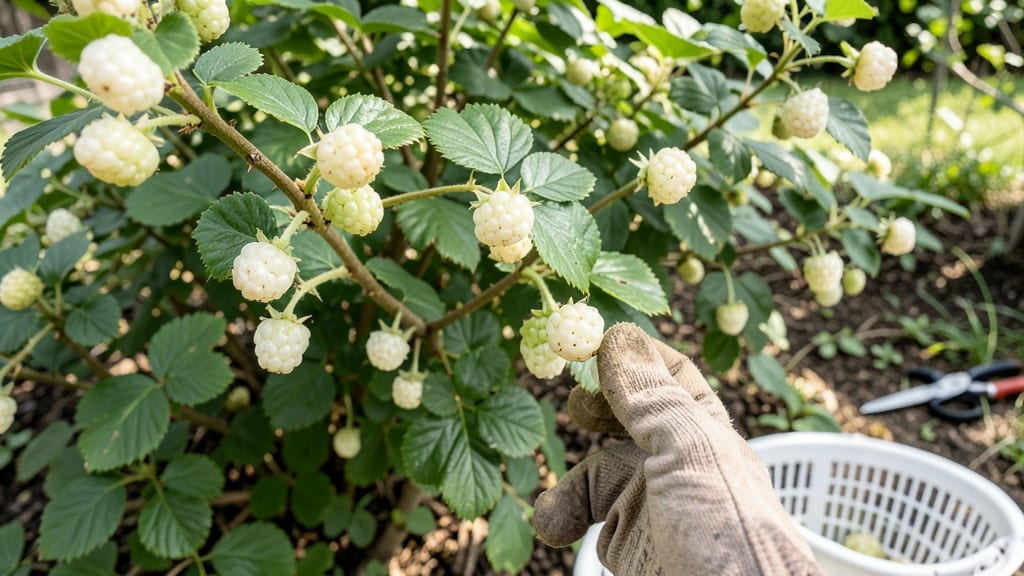
Growing white blackberries like 'Navajo White' means sweet, creamy fruit with half the thorns and twice the ease. 🌿 These vines deliver dessert-like berries while staying compact enough for containers—no sprawling fence required. My first harvest last summer had neighbors asking if I'd dyed them, they're so unusual (and delicious).
The secret lies in their adaptability: well-draining soil, full sun, and a sturdy trellis or large pot keeps them manageable. Unlike traditional blackberries, white varieties need less aggressive pruning and handle cooler climates better.
My plants produced fruit in Zone 5 without winter protection, something I couldn't do with standard varieties. You'll end up with berries that taste like honeyed vanilla with a hint of tartness—perfect for fresh eating or baking.
The vines stay productive for years with minimal care, and the white fruit adds a stunning visual contrast to any garden or patio. Works equally well in raised beds, large containers, or along fences. Here's how to get started without the usual blackberry headaches!"
Root Causes Of Pale Berries
If your blackberries are turning out pale or white instead of their usual deep purple or black, don’t panic—it’s usually a sign that something specific is missing or off-balance in their growing conditions.
Understanding these root causes will help you diagnose and fix the issue before it affects your entire harvest.
Blackberries rely on cross-pollination (often from bees or wind) to develop fully colored fruit. If pollination fails, berries may stay small, pale, or even white. Here’s why it happens:
- 🐝 Insufficient Pollinators: If your garden lacks bees, hummingbirds, or other pollinators, flowers may not be fertilized properly. - 🌬️ Wind Barriers: Dense foliage or windbreaks can prevent wind pollination in some blackberry varieties. - 🌡️ Extreme Weather: Heavy rain, drought, or extreme heat can deter pollinators from visiting flowers.Actionable Fix: Plant bee-friendly flowers (like lavender or sunflowers) near your blackberries. If pollinators are scarce, hand-pollinate by gently shaking branches or using a small brush to transfer pollen between flowers.
Blackberries are heavy feeders, and a lack of key nutrients can lead to pale, underdeveloped fruit. The most common deficiencies include:
| Nutrient | Symptoms | Solution |
|---|---|---|
| 🟢 Nitrogen (N) | Pale green leaves, stunted growth, small berries | Apply a balanced fertilizer (10-10-10) or compost in early spring. |
| 🟡 Phosphorus (P) | Weak roots, poor fruit development, white or hollow berries | Use bone meal or a phosphorus-rich fertilizer (like 5-10-10) before flowering. |
| 🔴 Potassium (K) | Fruit fails to ripen, stays pale or mealy | Add wood ash or a potassium sulfate supplement mid-season. |
| 🟣 Magnesium (Mg) | Yellowing between leaf veins, poor fruit color | Apply Epsom salt (magnesium sulfate) every 4-6 weeks. |
Pro Tip: Test your soil’s pH (ideal range: 5.5–6.5 for blackberries). If it’s too alkaline, amend with sulfur or peat moss to improve nutrient uptake.
Blackberries need 6–8 hours of direct sunlight daily to ripen properly. Without enough light or consistent warmth, fruit may stay pale, underdeveloped, or fail to darken.
- 🌿 Shade Issues: Tall trees, buildings, or dense shrubs blocking sunlight can stunt berry development. - 🌡️ Temperature Swings: Nighttime temps below 50°F (10°C) or daytime highs above 90°F (32°C) can disrupt ripening. - 🌧️ Overwatering or Poor Drainage: Soggy roots prevent the plant from absorbing enough nutrients, leading to weak, pale fruit.Actionable Fix:
- 🔥 Relocate your blackberry patch to a sunnier spot if needed.
- 🌡️ Use row covers in late spring to protect from frost or extreme heat.
- 💧 Water deeply but infrequently—aim for 1–2 inches per week, ensuring well-draining soil.
Certain pathogens can infect blackberry fruit, causing it to remain white, mushy, or deformed. Common culprits include:
- 🍄 Anthracnose: Fungal spots on leaves/fruit, leading to premature dropping or pale, shriveled berries. - 🦠 Botrytis Blight (Gray Mold): White, fuzzy growth on fruit, often in humid conditions. - 🌿 Bacterial Leaf Spot: Small white/yellow spots on leaves that spread to fruit, causing discoloration.Prevention Tips:
- ✨ Prune canes regularly to improve airflow and reduce humidity around fruit.
- 💦 Avoid overhead watering—use drip irrigation instead.
- 🌡️ Apply copper fungicide or neem oil preventatively during wet seasons.
By addressing these root causes, you’ll help your blackberries develop their signature rich color and sweet flavor. Next up: How to Reverse Pale Berries.
Revive and Prevent Pale Blackberries
If your blackberries are turning white instead of their usual deep purple or black, don’t panic—there are practical ways to fix the issue and keep your plants thriving. Below are targeted solutions based on the most common causes, along with prevention tips to ensure your blackberries stay vibrant and productive.
---
White-blackberry fruit often appears due to immature or overripe berries that haven’t fully ripened. Here’s how to address it:
#### 🔍 Check Ripeness First - Harvest at the right time: Blackberries should be deep purple to black (not red or white).
If picked too early, they’ll stay pale and bland. - Wait for full color: If berries are still white or speckled, leave them on the vine for 1–3 more days—they’ll ripen faster in warm weather.
#### 🍇 How to Use Underripe Berries If you must pick them early: - Cook them down: Simmer in syrup or make jam—the sugar brings out flavor. - Freeze for later: Spread on a tray, freeze solid, then transfer to a bag.
Thaw and use in smoothies or baked goods.
💡 Pro Tip: Overripe white berries can ferment—remove them promptly to avoid pests or mold.
---
Poor light or extreme heat/cold can cause pale, weak fruit. Adjust your care routine with these steps:
#### 🌞 Optimize Sun Exposure - Move containers to sunnier spots if berries are leggy or pale. Blackberries need 6–8 hours of direct sun daily. - Use reflective surfaces (like white walls or mirrors) to bounce light onto shaded vines.
#### 🌡️ Regulate Temperature Stress - Mulch heavily (2–3 inches of straw or wood chips) to insulate roots in hot climates. - Provide shade cloth (30–50%) if temps exceed 90°F (32°C)—this prevents sunscald. - Extend the season: In cold areas, use row covers in early spring to protect flowers from frost.
✨ Prevention Tip: Train vines onto a trellis or arbor for better airflow and sunlight penetration.
---
Too much or too little water can lead to pale, waterlogged, or shriveled berries. Follow this watering guide:
| Issue | Cause | Solution | |--------------------------|------------------------------------|------------------------------------------------------------------------------| | White, mushy berries | Overwatering or poor drainage | Let soil dry 1 inch deep between waterings; improve drainage with gravel. | | Dry, pale berries | Underwatering or drought stress | Water deeply 2–3 times per week (more in heat).
Use drip irrigation. | | Cracked, white patches | Uneven moisture | Mulch to retain moisture; water at soil level (not leaves) to avoid rot. |
💡 Pro Tip: Drip irrigation is ideal—it delivers water directly to roots without wetting foliage (which attracts disease).
---
Pale berries can signal a lack of key nutrients. Test your soil and amend as needed:
#### 📊 Soil Test First - Use a home soil test kit (or send to a lab) to check pH (5.5–6.5 ideal) and nutrient levels. - Common deficiencies causing pale fruit: - Nitrogen (N): Leads to weak growth and pale leaves. - Phosphorus (P): Causes poor fruit development. - Magnesium (Mg): Results in yellowing between veins.
#### 🌱 How to Fertilize Correctly - Spring: Apply a balanced fertilizer (10-10-10) when buds form. - Summer: Switch to a low-nitrogen, high-phosphorus fertilizer (e.g., 5-10-10) to boost fruiting. - Organic fix: Mix compost, bone meal, or Epsom salt (for magnesium) into the soil.
🔥 Quick Fix: For magnesium deficiency, spray leaves with a solution of 1 tbsp Epsom salt per gallon of water every 2 weeks.
---
Pests like spider mites, aphids, or fungal infections can weaken vines, leading to pale, deformed berries.
#### 🐜 Identify the Culprit - Pale, dusty leaves → Spider mites (dry conditions). - Sticky leaves + black sooty mold → Aphids. - White powdery spots → Powdery mildew.
#### 🛡️ Treatment Steps 1. Prune infected areas immediately with sterilized shears. 2. Spray with neem oil (for pests) or baking soda mix (1 tsp baking soda + 1 quart water + a drop of dish soap for mildew).
3. Encourage beneficial insects (ladybugs, lacewings) by planting marigolds or dill nearby.
🎯 Prevention Tip: Rotate crops if growing blackberries in the same spot yearly—this breaks pest/disease cycles.
--- To prevent future pale berries, follow this maintenance checklist: - Prune annually: Remove dead wood in late winter and crossing branches in summer. - Thin fruit clusters: Leave 1–2 berries per stem for larger, sweeter fruit. - Harvest regularly: Overloaded vines produce small, pale berries—pick frequently! - Monitor pH: Test soil every 2–3 years and adjust with lime (to raise pH) or sulfur (to lower pH).
--- With these practical fixes, your blackberry vines should rebound quickly—and next season, you’ll enjoy plump, deep-colored berries bursting with flavor! 🍇✨
Frequently asked questions
Are white blackberries as sweet as regular blackberries?
White-fruited varieties like 'Navajo White' often have a unique flavor profile—creamy, honey-like sweetness with a subtle tartness. While they may lack the deep berry intensity of traditional types, their texture is firmer and less juicy, making them perfect for fresh eating or baking. Many gardeners report they're every bit as delicious!
Can I grow white blackberries in containers?
Varieties like 'Navajo White' thrive in containers as long as the pot is at least 18 inches deep and 24 inches wide. Use well-draining soil and a trellis system to support the vines. Just ensure the container gets 6-8 hours of sunlight daily and has drainage holes to prevent root rot.
Why do my white blackberries stay small?
Small berries often indicate one of three issues: insufficient sunlight, overcrowded canes, or nutrient deficiencies. Thin your vines to 3-4 strong canes, ensure they get full sun, and feed with a phosphorus-rich fertilizer (like 5-10-10) during fruiting season. Prune regularly to improve airflow.
Do white blackberries need cross-pollination?
Yes, even white varieties require cross-pollination for proper fruit development. Plant bee-friendly flowers nearby or hand-pollinate by gently shaking branches. Some varieties may set fruit without pollinators, but the berries will be smaller and less flavorful. A small colony of bees or hummingbirds will dramatically improve your yield!
How cold can white blackberry plants tolerate?
White varieties like 'Navajo White' are more cold-hardy than many traditional blackberries, surviving down to -15°F (-26°C). However, young plants need winter protection in colder climates. Mulch heavily with straw and consider row covers for the first few winters. Established plants handle winter well with proper care.