
Fertilization
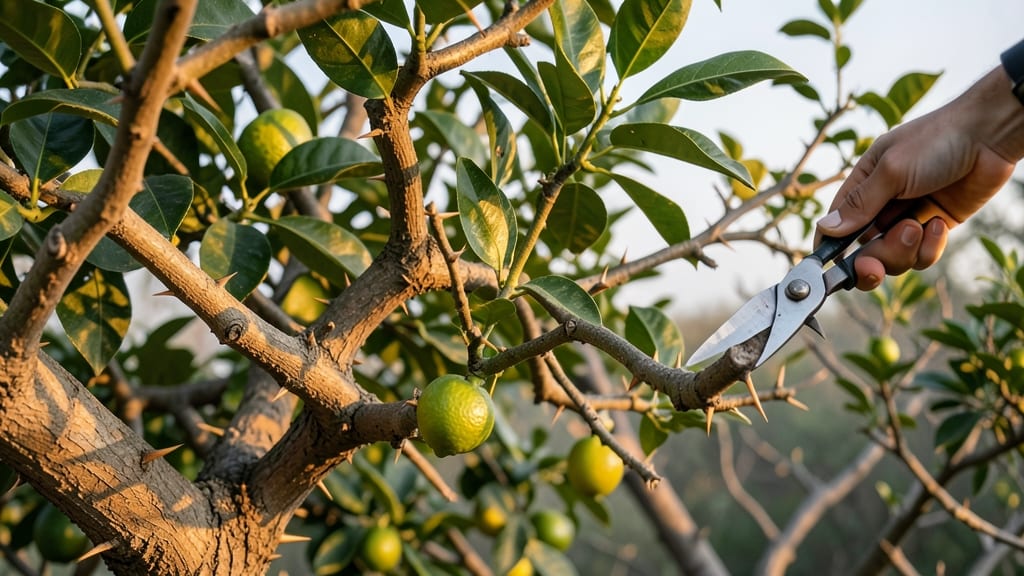
Thorny fruit trees like apples, pears, and berries can be a gardener's dream—until their branches become unmanageable. Learn how to prune these heavy harvesters for better yields, easier maintenance, and a safer small garden space.
Thornless Blackberry Pruning for Compact Growth
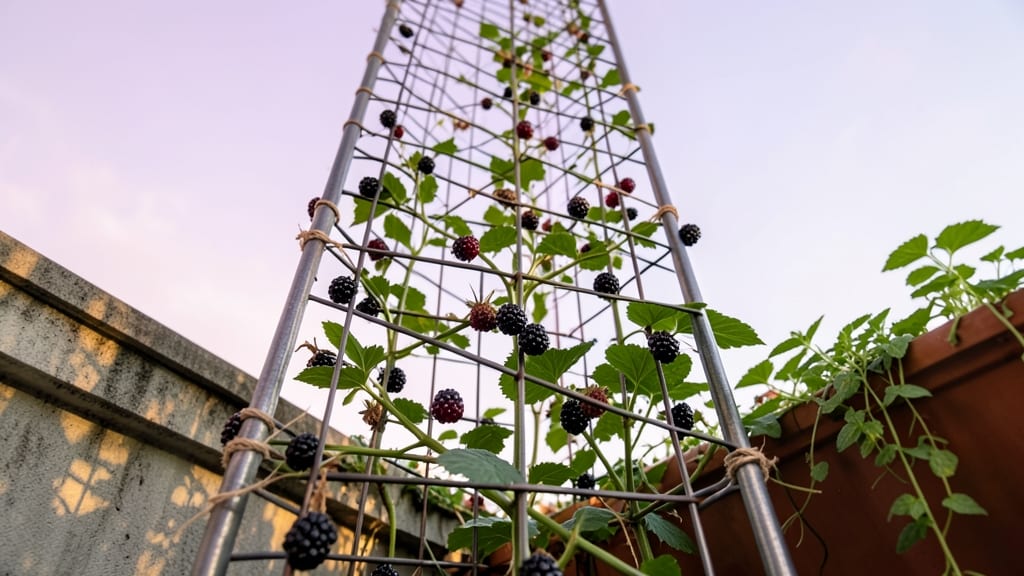
Urban gardeners with limited space can still grow thornless blackberries without sacrificing yield—by training canes vertically. This method transforms sprawling vines into a tidy, high-producing vertical garden that fits even the smallest patios or balconies.
Start by installing a strong trellis (4-6 feet tall) near your plants in early spring. As new canes emerge, tie the strongest 4-6 canes to the trellis, spacing them evenly. Prune back any weak or crossing canes at the base to redirect energy upward. By summer, these canes will climb vertically, producing berries along the entire length rather than sprawling on the ground.
This approach not only saves space but also makes harvesting easier—no more bending over! Urban gardeners with balconies or small yards will love how this method turns a messy bush into a neat, productive vertical feature. 🌱
Apple Tree Center Leader Pruning Technique
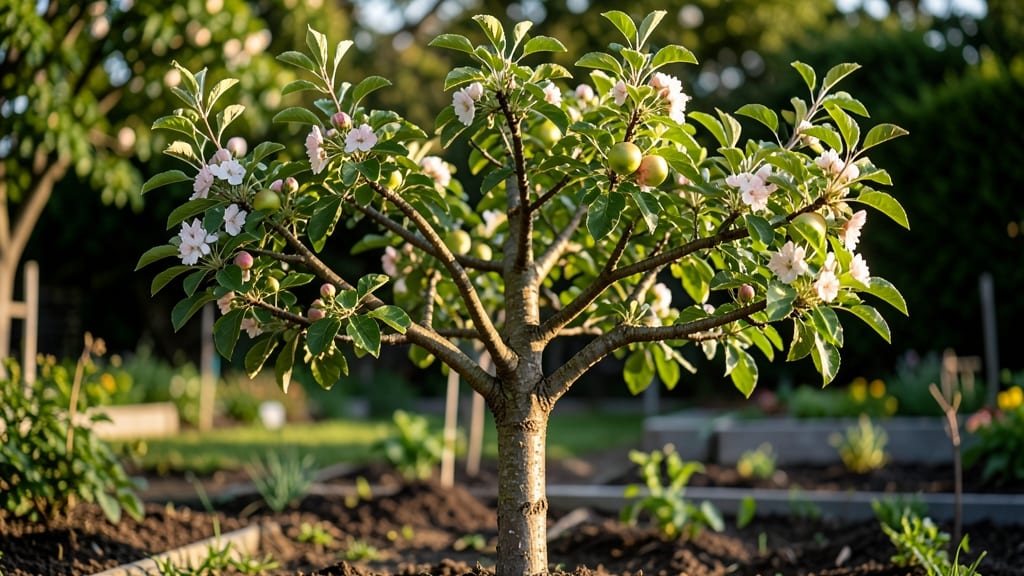
Dwarf apple trees are perfect for small gardens, but their branches can quickly become tangled and overgrown without proper pruning. The center leader technique keeps your tree strong, open, and productive by maintaining a single dominant trunk while encouraging a wide, accessible canopy.
Start by identifying the most vigorous upright branch—the central leader—and remove competing vertical shoots growing from the trunk or scaffold branches. Next, prune side branches to create an open vase shape, ensuring sunlight reaches the center where fruit develops. Focus on cutting back branches that cross or rub, as these create entry points for pests and diseases. For best results, prune in late winter or early spring before new growth begins.
This method is ideal for urban gardeners with limited space, as it maximizes fruit production while keeping the tree manageable and safe to harvest. With consistent pruning, you’ll enjoy a year-round display of blossoms and fruit without the chaos of wild growth. 🌟
Raspberry Sucker Removal for Renewal
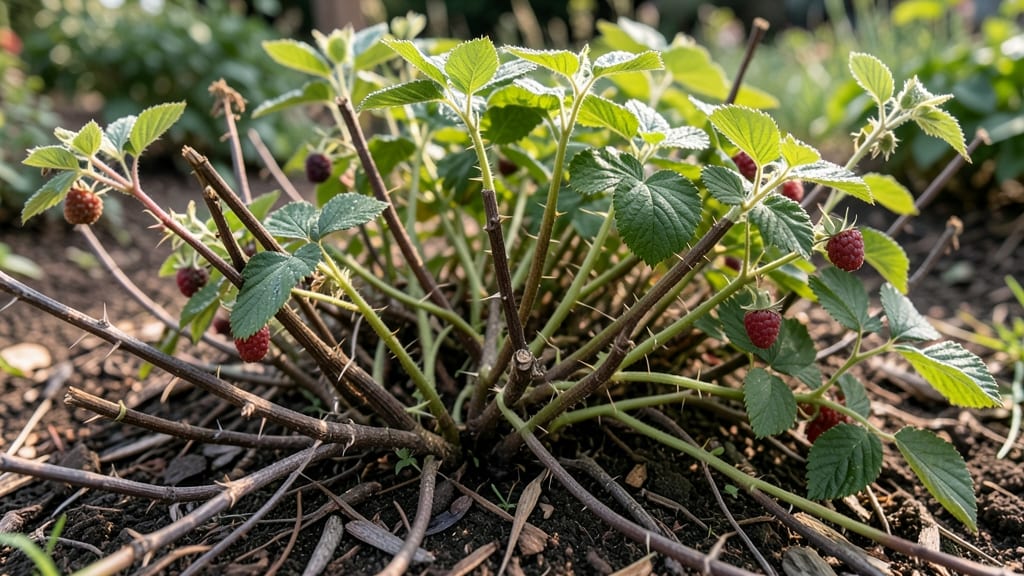
Ever-bearing raspberries produce fruit on both old and new canes, but without proper pruning, your small garden bed can become a tangled mess. The secret to doubling your harvest lies in removing sucker canes—those vigorous shoots that steal energy from your fruiting canes.
In late winter or early spring, cut back all old fruiting canes (those that bore last year’s crop) to the ground. Leave only the new green canes that emerged last summer, as these will produce this year’s fruit. This redirection of energy results in larger, sweeter berries and prevents overcrowding in tight spaces.
This method is especially valuable for gardeners with limited space, as it keeps plants manageable while maximizing yield. With just 10 minutes of pruning, you’ll transform a chaotic patch into a high-producing, easy-to-harvest bed. 🌱
Pear Tree Heading Back for Bushier Shape
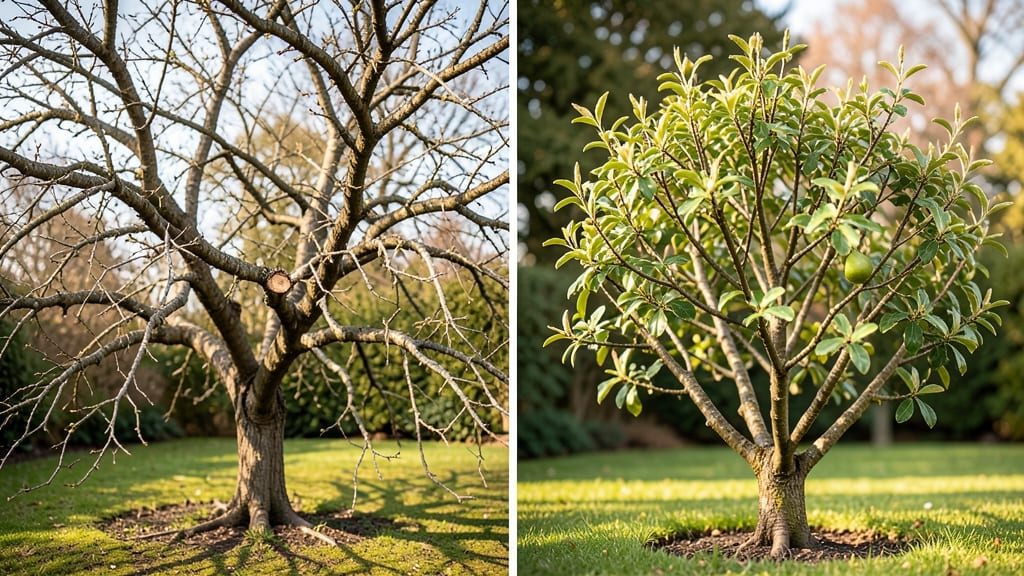
Leggy pear trees can turn your small yard into a tangled mess, but with the right pruning technique, you can transform them into lush, bushy shrubs that produce more fruit. This method, called "heading back," encourages multiple lateral branches to develop, creating a compact shape perfect for tight spaces.
Start by cutting back the main branches by about one-third in late winter or early spring, just above outward-facing buds. This stimulates new growth from the sides, forming a rounded canopy. For dwarf pear varieties, you can even prune more aggressively to keep them at a manageable height. Avoid over-pruning—focus on removing only the topmost growth to maintain the tree's vigor.
This technique works wonders for small-space gardeners who want to maximize fruit production without sacrificing yard space. Plus, a bushier shape means easier access to harvest those delicious pears! 🌟
Gooseberry Thorn Reduction Pruning
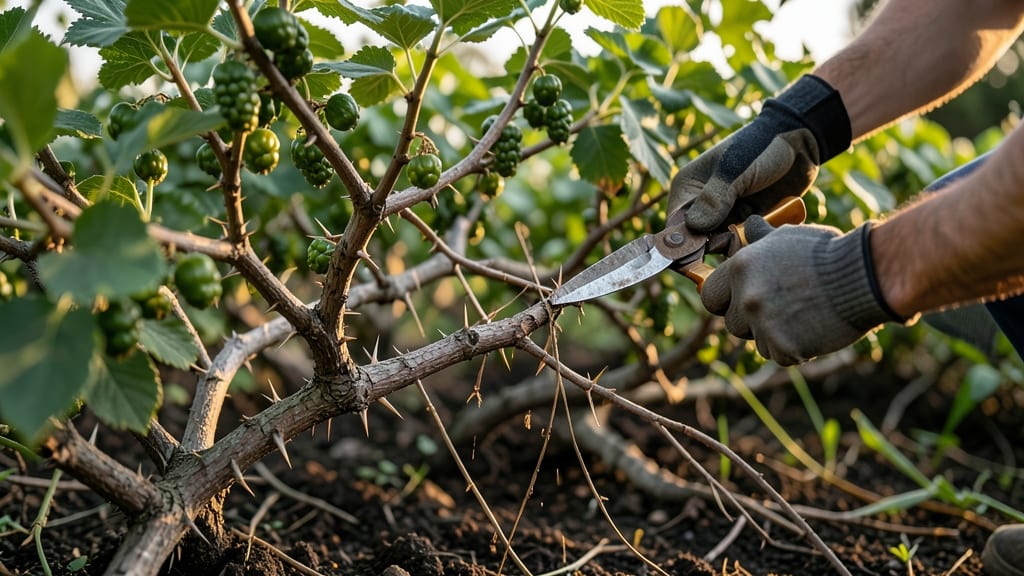
Tired of wrestling with gooseberry thorns every harvest season? This targeted pruning method reduces prickly defenses while keeping your bush productive and manageable—no gloves required.
Focus on removing the oldest, thickest canes first, as these develop the most thorns. Cut back one-third of the oldest wood annually in late winter or early spring, just above a bud or lateral branch. For new growth, prune lightly to encourage bushier, less thorny side shoots. This approach maintains high fruit yields while making harvests far more comfortable.
Small-space gardeners and first-time growers will appreciate how this method transforms a painful chore into a quick, rewarding task. Fewer thorns mean more time enjoying your harvest! 🌱
Peach Tree Summer Pruning for Airflow
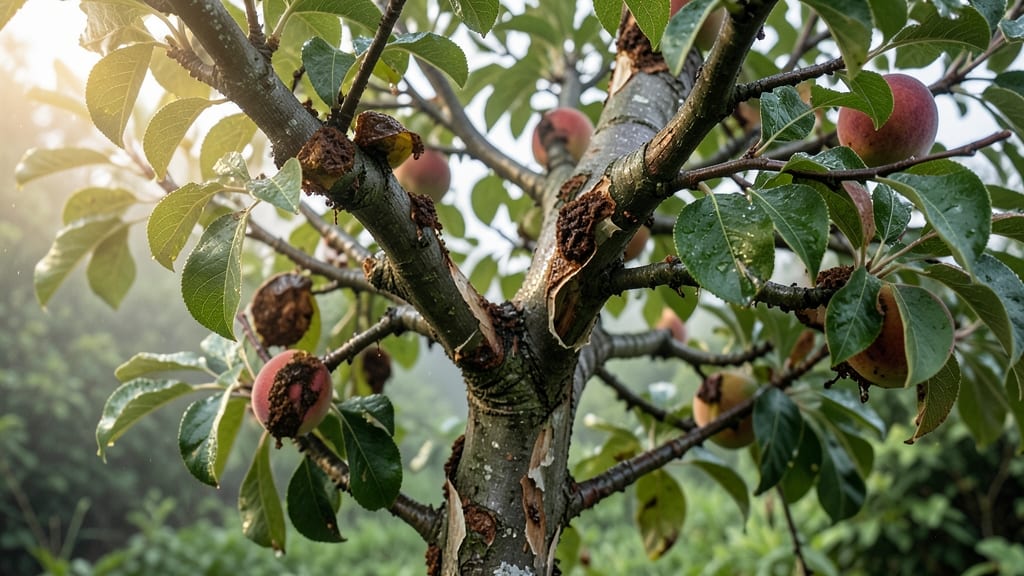
If your peach tree is struggling in a humid climate, summer pruning isn’t just about shaping—it’s about survival. Dense branches trap moisture, creating the perfect breeding ground for fungal diseases like brown rot, which can devastate your harvest. This mid-season technique focuses on airflow, not just aesthetics.
Start by removing water sprouts (shoot-like growths) and thinning crowded branches to let sunlight and air circulate. Aim to reduce branch density by about 20-30%—this prevents fungal spores from thriving while keeping the tree’s structure intact. Use clean, sharp pruners to avoid tearing bark, and avoid pruning during wet weather. Even small peach trees in tight spaces benefit from this approach.
This method is a game-changer for gardeners in humid regions or those with limited space, ensuring healthier trees and sweeter peaches. Give it a try this summer! 🌟
Blueberry Bush Renewal Pruning Cycle
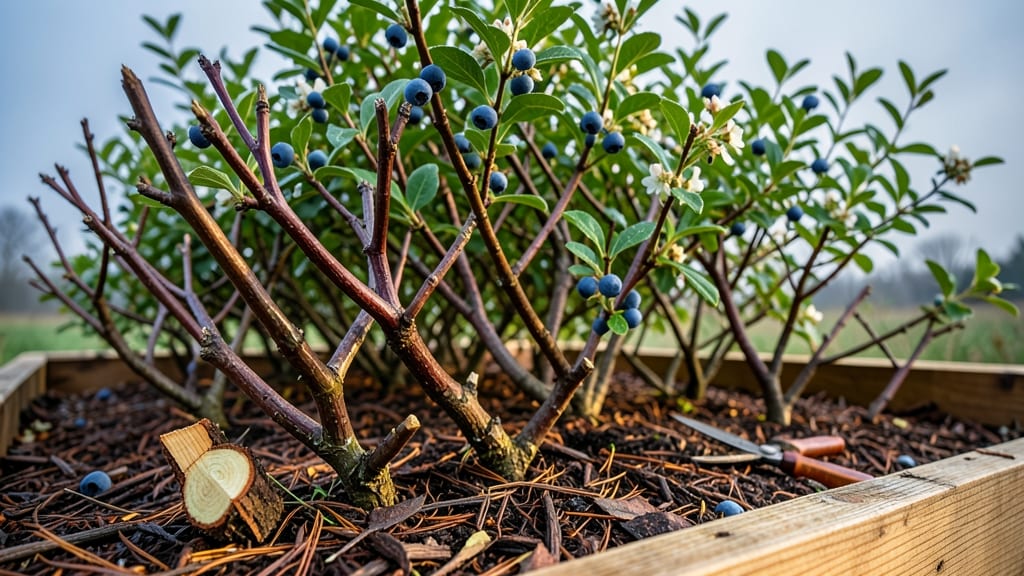
Tired of your blueberry bushes producing fewer berries each year? A three-year renewal pruning cycle can transform weak growth into a bountiful harvest—even in containers or raised beds where space is tight.
Year 1: Prune back one-third of the oldest canes to the ground in late winter or early spring. Year 2: Repeat with another third, leaving only the youngest canes. Year 3: Prune lightly to shape, then restart the cycle. This method forces energy into new growth, boosting berry production by 30-50% while keeping bushes compact. Use sterilized shears to avoid disease, and mulch heavily to retain moisture.
Perfect for urban gardeners or small-space growers, this system works equally well in 5-gallon pots or raised beds. Just remember: patience pays off with juicier berries year after year. 💚