
Trees
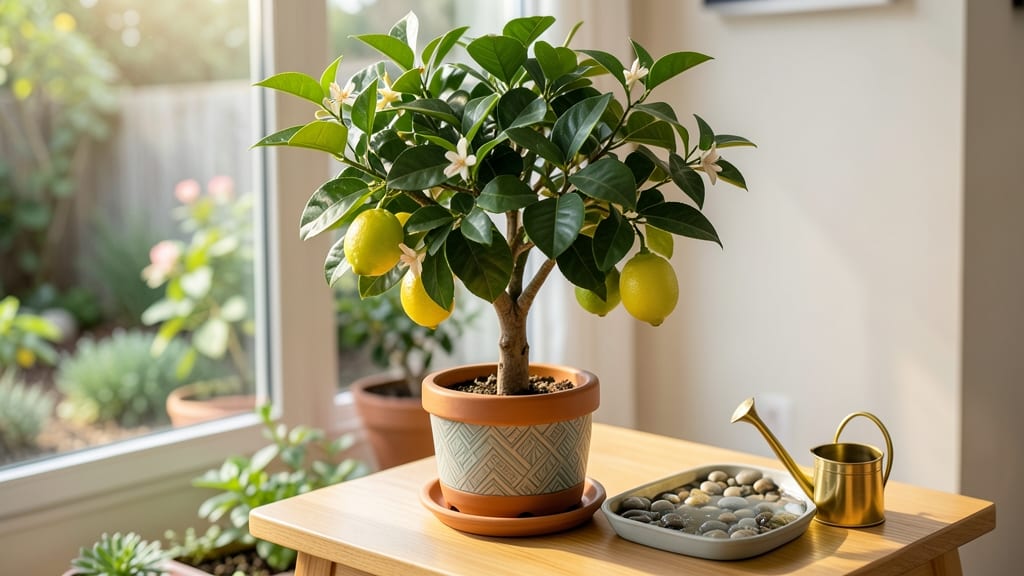
Growing fruit trees inside isn't just possible—it's the secret to fresh citrus in your kitchen year-round. 🌱 I've had Meyer lemons, calamondins, and even dwarf apples thriving on my sunniest balcony, and the key starts with choosing the right varieties for small spaces.
The right containers make all the difference: airy pots with drainage holes (think 10-15 gallons for citrus) and lightweight mixes that dry out evenly. My Meyer lemon tree now produces 20+ fruits per season in a 12-inch pot—proof that dwarf varieties deliver real harvests, not just decorative foliage.
You'll need bright light (south-facing windows or grow lights) and consistent care, but the payoff is worth it: homegrown fruit that tastes nothing like store-bought. The first harvest happens within 1-2 years with proper pruning and feeding.
This works for apartments, patios, or even sunny windowsills—just match the tree to your space and light. Let's get those trees fruiting indoors!
📚 In This Guide
- What you need
- Instructions
- Tips and common mistakes
- Wrapping up and next steps
What you need
- ● Dwarf fruit tree variety: Choose a self-pollinating or self-fertile variety (e.g., Columnar Apple, Dwarf Meyer Lemon, or Patio Fig). 1-2 plants per container.
- ● Containers: 5-gallon or larger pots with drainage holes (terracotta or fabric grow bags work best). 1 per tree.
- ● High-quality potting mix: Well-draining, organic mix (avoid garden soil). 1 bag per container.
- ● Slow-release fertilizer: Balanced 10-10-10 or citrus-specific formula (follow label instructions). 1-2 applications per season.
- ○ Grow lights (optional but recommended): Full-spectrum LED lights (12-16 hrs/day) for indoor setups. 1-2 lights per tree.
- ● Support system: Small stakes or trellis for columnar varieties (if needed).
- ● Pruning shears: Sharp, sterilized shears for trimming.
- ○ Mulch (optional): Organic mulch to retain moisture.
- ● Sunlight access: 6+ hours of direct sunlight daily (south-facing window or grow lights).
- ● Temperature control: Ideal range: 60–85°F (avoid drafts or extreme heat).
- ● Watering routine: Keep soil consistently moist but not soggy (check daily in dry climates).
- ● Humidity (for tropical varieties): Misting or a humidifier if air is dry.
- ● Patience: Dwarf trees may take 1–3 years to bear fruit!
How to grow dwarf fruit trees on your balcony
Here's my proven method for growing four space-saving fruit trees indoors—no greenhouse needed.
🌱 Step 1: Select the Right Dwarf Varieties
Choose self-pollinating dwarf varieties like columnar apple, patio pear, or bush citrus—these stay under 4 feet tall and thrive in containers. I always pick container-specific rootstock (like M9 for apples) because standard rootstock grows too large for indoor spaces. Check the label for "dwarf" or "semi-dwarf"—these are the only ones that work.
Buy 1-year-old bare-root trees in early spring for best results. If you must plant in summer, choose container-grown specimens with established root systems. You'll see "dwarf" written on the tag—never guess based on size alone. I plant one tree per 5-gallon container to give roots room to spread without crowding.
☀️ Step 2: Position for Maximum Sunlight
Place your trees in the sunniest spot possible—most balconies need south-facing exposure for 6-8 hours of direct sunlight daily. If you only have east or west light, opt for citrus varieties (like Calamondin or Meyer lemon) which tolerate slightly less sun. I use reflective surfaces (white walls or aluminum foil) behind pots to bounce extra light onto leaves.
Rotate containers quarter-turn weekly so trees grow evenly. You'll notice leaves stretching toward the light? That's a sign your balcony isn't getting enough sun—supplement with a full-spectrum LED grow light for 12-14 hours daily. Keep the light 6-8 inches above the canopy and adjust as the tree grows.
💧 Step 3: Water and Fertilize for Container Success
Water deeply every 2-3 days until water runs freely from drainage holes—never let containers sit in saucers of water. I check moisture by sticking my finger 1 inch into soil; if it feels dry, water immediately. Overwatering causes root rot faster than underwatering, so let the top ½ inch dry out between waterings. Use room-temperature water to avoid shocking roots.
Feed with balanced liquid fertilizer (10-10-10) every 2 weeks during growing season (spring-fall). In winter, reduce to monthly since growth slows. I always mix fertilizer with water first—never apply dry to avoid burning tender roots. You'll see new leaves and buds within 3-4 weeks of consistent feeding.
✂️ Step 4: Prune for Shape and Fruit Production
Prune new growth back by ⅓ in early spring to encourage branching. Use clean, sharp pruners to make cuts just above a leaf node (the bump where leaves attach). I remove suckers (shoots growing from the base) immediately—they drain energy from fruit production. Thin overcrowded fruit when they're pea-sized, leaving 6-8 inches between remaining fruits.
Shape the tree into an open vase form by removing inward-growing branches that create shade. This improves air circulation and reduces disease risk. After harvest, do a light pruning to remove dead wood and shape for next year's growth. Never prune more than 25% of the canopy at once—this stresses the tree.
🪴 Step 5: Overwinter for Next Year's Harvest
Reduce watering to every 7-10 days in winter when growth slows. Move containers to a cooler spot (50-60°F) if your balcony drops below 40°F. I wrap tender varieties (like citrus) in bubble wrap for extra protection against cold drafts. Check soil weekly—dry winter air causes containers to dry out faster than expected.
Apply a thin layer of mulch (like straw) to retain moisture and prevent soil temperature swings. In late winter, repot into slightly larger containers if roots are circling the drainage hole. You'll see buds swell in early spring—that's your signal to resume regular watering and fertilizing. With proper overwintering, your trees will fruit 2-3 years after planting.
Tips & tricks for perfect balcony fruit trees
These simple strategies will help your dwarf fruit trees thrive without taking over your space.
Rootstock Selection: Don't be fooled by size alone—always verify the rootstock type. For example, M9 rootstock keeps apples under 8 feet tall, while MM111 can grow much larger. I've seen "dwarf" labels on trees with standard rootstock that will eventually outgrow containers. When in doubt, ask your nursery for container-specific rootstock designed for 5-gallon pots or smaller.
Light Supplement Strategy: If your balcony only gets 4-5 hours of sunlight, focus on citrus varieties first—they tolerate lower light better than apples or pears. For other varieties, I recommend using a full-spectrum LED grow light for 2-3 hours in the morning and evening to make up the difference. Position the light 6-8 inches above the canopy and adjust as the tree grows—you'll notice leaves turning toward the light when they need more exposure.
Container Upgrade Timing: Wait until you see roots circling the drainage hole before repotting—this usually happens in late winter or early spring. I've made the mistake of repotting too early, which stresses the tree. When upgrading containers, choose one only 2-3 inches larger in diameter than your current pot. This prevents overcrowding while giving roots room to grow. Always use containers with drainage holes to prevent waterlogging.
Seasonal Care Transition: The shift from summer to winter care is where most people struggle. Here's my fail-proof method: Start reducing watering frequency 2 weeks before your first frost, then switch to the every-7-10-days schedule. For tender varieties like citrus, move containers indoors to a spot with 50-60°F temperatures if your balcony drops below 40°F. I've successfully overwintered lemon trees on sunny windowsills with just a thin layer of mulch to retain moisture.
Pro Tips for Fruit Trees Inside
- These simple strategies will help your dwarf fruit trees thrive without taking over your space.
- Rootstock Selection: Don't be fooled by size alone—always verify the rootstock type.
- Light Supplement Strategy: If your balcony only gets 4-5 hours of sunlight, focus on citrus varieties first—they tolerate lower light better than apples or pears.
Frequently asked questions
Got questions about growing fruit trees indoors?
Here are answers to the most common concerns—so you can enjoy fresh harvests without stepping outside!
What are the best fruit trees for indoor growing?
Dwarf varieties like columnar apple trees, patio citrus (like Meyer lemons), and bonsai-style figs thrive indoors. Look for "dwarf" or "miniature" labels and choose self-pollinating types for easier care. Pro tip: Dwarf Meyer lemons are top picks—they’re compact, productive, and forgiving!
How long does it take for an indoor fruit tree to bear fruit?
Patience is key! Most dwarf fruit trees take 2–5 years to bear fruit indoors, depending on the variety and care. Citrus trees (like lemons) may fruit sooner (1–3 years), while apples or pears could take longer. Boost growth with 12–16 hours of light daily (grow lights help!) and consistent watering.
How often should I water an indoor fruit tree?
Water when the top 1–2 inches of soil feel dry—usually every 5–7 days, but adjust for humidity, pot size, and season. Overwatering is risky! Use pots with drainage holes and a saucer to catch excess. Yellow leaves often mean overwatering; brown edges could signal underwatering or low humidity.
Can I grow a fruit tree indoors without a grow light?
Yes, but with limitations! Place your tree near a south-facing window for 6+ hours of sunlight daily. If natural light is weak, supplement with a full-spectrum LED grow light 12–16 hours/day. Citrus and figs tolerate lower light better than apples or pears—choose wisely!
What should I do if my indoor fruit tree has pests?
Isolate the tree immediately! Common pests include spider mites, aphids, or scale insects. Treat with neem oil (mix 1 tsp with 1 quart water) or insecticidal soap. For severe infestations, wipe leaves with a damp cloth dipped in soapy water. Prevent pests by keeping humidity moderate (40–60%) and avoiding overcrowded pots.
Can I harvest fruit from an indoor tree and eat it?
Homegrown fruit is often sweeter and more flavorful than store-bought. Just ensure your tree isn’t treated with pesticides (opt for organic care). Start with small batches—indoor fruit may be less abundant than outdoor trees, but the taste is worth it! Try Meyer lemons or dwarf peaches for beginner-friendly harvests.
Wrapping up and next steps
Growing fruit trees indoors isn’t just a dream—it’s a delicious reality! 🌱 With the right space-saving varieties, you can enjoy fresh, homegrown fruit year-round, even in small apartments or balconies.
Whether you’re a beginner or a seasoned gardener, these compact trees make it easier than ever to turn your space into a mini orchard.
Ready to take the next step? Start by choosing a variety that fits your climate and space, then gather your supplies and get planting. Watch as your tiny tree grows into a thriving fruit producer—one harvest at a time! Your balcony harvest awaits—happy growing! 🍎✨