
Pruning
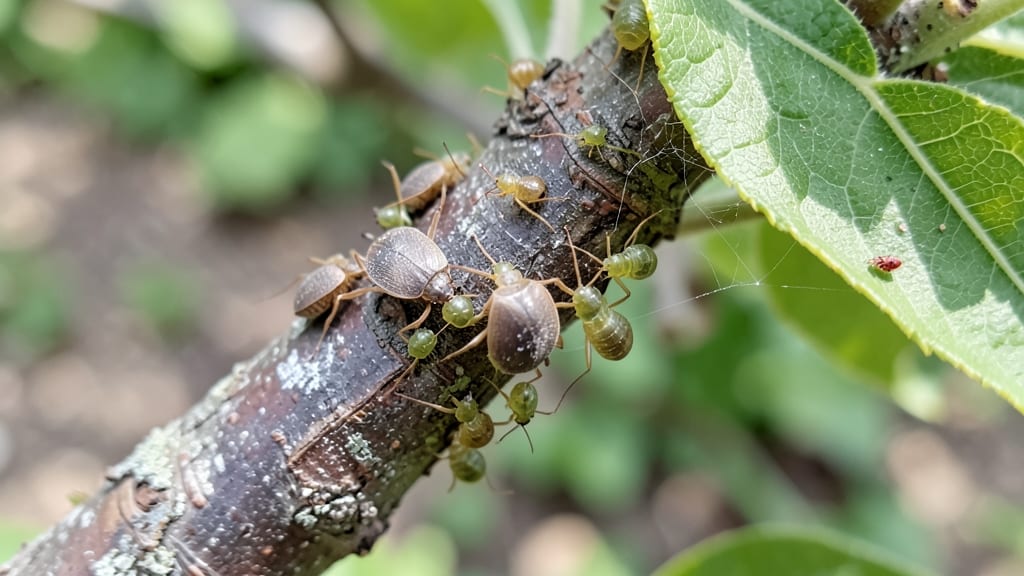
Fruit tree bugs can turn your harvest into a battleground before you know it. 🌿 I’ve watched aphids drain leaves of their green and codling moths tunnel through apples—both disasters you can prevent without harsh chemicals. The key is catching them early, when natural methods still work better than sprays.
Most pests show up when trees are stressed—overwatered roots, crowded branches, or weak growth from poor pruning. I learned that hard way after my peach tree lost half its fruit to borers.
But once you understand their life cycles, you can outsmart them with simple fixes like pruning out infested branches or introducing ladybugs for aphid control.
You’ll end up with fruit that’s healthier than store-bought, no bitter aftertaste from pesticides, and trees that bounce back year after year. The best part? These methods work whether you’ve got a single apple tree or a full orchard. Let’s get those bugs under control the right way.
We’ll cover the most common culprits—aphids, codling moths, scale—and how to spot their damage before it spreads. Plus, I’ll share my go-to prevention schedule so you’re never playing catch-up again. Your future harvests will thank you.
Root Causes Of Tree Pests
Understanding why fruit trees attract pests is the first step in protecting your harvest. These tiny invaders don’t just appear out of nowhere—they’re drawn by specific conditions in your orchard or garden. Let’s break down the science behind their behavior and how environmental factors create the perfect buffet for them.
When fruit trees are overcrowded, their leaves don’t get enough sunlight, air circulation is poor, and moisture lingers on branches. This stress weakens their natural defenses, making them easier targets for pests like aphids, scale insects, and mites.
Why it happens:
- Poor air circulation traps humidity, creating ideal conditions for fungal diseases (e.g., powdery mildew) that attract sap-sucking bugs.
- Competition for nutrients forces trees to divert energy from pest resistance to survival, leaving them vulnerable.
- Root competition in overplanted areas stresses trees, reducing their ability to produce defensive compounds like tannins and resins.
Actionable fix:
- Prune branches to improve airflow (aim for an open canopy).
- Space trees properly (follow species-specific guidelines—e.g., 20–30 feet for apples, 15–20 feet for peaches).
- Mulch around the base to retain moisture and reduce root stress.
Fruit trees need a balanced diet of nitrogen, phosphorus, and potassium to stay healthy. When soil lacks key nutrients—or has an excess of one (like too much nitrogen)—trees become weak and attract pests.
Why it happens:
- Nitrogen-heavy soil promotes lush, soft growth that pests love (e.g., codling moths target tender fruit).
- Deficiencies in micronutrients (like calcium or magnesium) weaken cell walls, making trees more susceptible to borers and beetles.
- pH imbalances (too acidic or alkaline) hinder nutrient uptake, stressing trees and inviting opportunistic bugs.
Actionable fix:
- Test your soil annually and amend with compost or organic fertilizers (e.g., bone meal for phosphorus, greensand for potassium).
- Avoid synthetic fertilizers that disrupt microbial balance—opt for slow-release organic options.
- Apply foliar sprays of seaweed extract or fish emulsion to boost natural defenses.
Pests often follow diseases because infected trees exude sugary sap or honeydew, which attracts ants, wasps, and other insects.
For example: - Fire blight (a bacterial infection) creates oozing cankers that draw fruit flies and nitidulid beetles. - Anthracnose (a fungal disease) weakens fruit, making it easier for fruit flies and maggots to infest.
Why it happens:
- Wet conditions (from poor drainage or overhead watering) spread fungal spores.
- Old or damaged wood provides entry points for pathogens, which then attract pest scavengers.
- Lack of pruning leaves dead branches where pests can hide and multiply.
Actionable fix:
- Prune infected branches 12 inches below the damage (sterilize tools with rubbing alcohol between cuts).
- Use copper fungicides early in the season to prevent outbreaks.
- Space trees to reduce humidity and improve drainage.
A healthy orchard isn’t just about the trees—it’s about the balance of predators and prey. When natural pest controllers (like ladybugs, lacewings, or parasitic wasps) are missing, pest populations explode.
Why it happens:
- Pesticide overuse kills beneficial insects faster than pests, creating a vacuum.
- Monoculture planting (growing only one type of fruit tree) removes habitat diversity for predator species.
- Lack of flowering plants near the orchard reduces nectar sources for predator insects.
Actionable fix:
- Plant companion flowers (e.g., alyssum, dill, or marigolds) to attract predatory wasps and hoverflies.
- Avoid broad-spectrum pesticides—opt for targeted sprays (e.g., neem oil for soft-bodied bugs).
- Install insect hotels or leave leaf litter in corners of the garden to support ground-dwelling predators.
Ripe, soft, or injured fruit is a magnet for pests like fruit flies, maggots, and beetles. These insects seek out easy meals, and once they find one tree, they’ll spread to others.
Why it happens:
- Uneven ripening (from poor pollination or inconsistent sunlight) leaves some fruit vulnerable longer.
- Hail, wind, or animal damage creates entry points for pests.
- Harvesting delays give pests more time to lay eggs in overripe fruit.
Actionable fix:
- Harvest promptly—pick fruit as soon as it’s ripe to avoid overripening.
- Thin fruit early (remove excess fruit in spring) to reduce competition and improve air circulation.
- Use netting over trees prone to bird or animal damage.
💡 Pro Tip: The best defense is prevention. Healthy trees with strong airflow, balanced nutrients, and a thriving ecosystem of predators rarely suffer severe pest outbreaks. Start with soil health and pruning—these two factors solve 80% of pest problems before they start!
Natural Remedies for Tree Pests
When fruit tree bugs invade your orchard, the good news is you don’t always need harsh chemicals to reclaim your trees. Here’s how to tackle common pests naturally, with targeted fixes for each issue—plus prevention tips to keep your harvest healthy for years to come.
Aphids and scale insects suck sap, weakening trees and leaving behind sticky honeydew. Fix it fast with these steps:
- 🧼 Homemade Insecticidal Soap Mix 1 tablespoon of mild liquid soap (like Castile) with 1 quart of water in a spray bottle. Test on a small leaf first—soap can burn tender foliage.
Spray directly on pests (especially undersides of leaves) in the early morning or evening (avoid direct sun). Repeat every 3–5 days until gone.
- 🌿 Neem Oil Blast Combine 1 teaspoon neem oil, 1 teaspoon vegetable oil, and 1 quart of water with a drop of dish soap (as an emulsifier).
Shake well and spray thoroughly, covering all leaf surfaces. Neem disrupts pests’ life cycles—use once a week for 2–3 weeks.
- 🐝 Ladybugs & Lacewings: Nature’s Cleanup Crew Release beneficial insects like ladybugs or lacewing larvae (available online or at garden centers). They devour aphids and scale insects without harming your trees. Time it right: spring or early summer for best results.
💡 Prevention Tip:
- Prune regularly to improve airflow and remove infested branches.
- Plant companion flowers like marigolds or dill nearby—they attract predatory wasps that hunt aphids.
These pests tunnel into bark and branches, causing structural damage. Act quickly to save your tree:
- 🪵 Borer Traps (Pheromone Lures) Hang borer-specific traps (like those for peach tree borers) near the tree before peak season (spring/summer). The scent attracts males, reducing mating and new infestations. Check traps weekly and replace as needed.
- 🔪 Manual Removal & Pruning
- Identify entry holes (small, circular holes in bark or sawdust-like frass).
- Prune infected branches 6 inches below the damage with sterilized pruners (wipe with rubbing alcohol).
- Seal wounds with pruning sealant to prevent future borers.
- 🌿 Beneficial Nematodes Apply Heterorhabditis bacteriophora nematodes (sold as a powder) to the soil around the tree’s drip line. These microscopic worms seek out and kill borer larvae. Water the area lightly after application to activate them.
💡 Prevention Tip:
- Avoid wounding bark when pruning—use sharp tools and make clean cuts.
- Apply mulch (wood chips or straw) 3–4 inches deep around the base to deter borers.
Caterpillars and beetles chew through fruit, leaving it unusable. Stop the damage with these methods:
- 🧵 Fruit Bagging Cover individual fruits with paper bags or mesh bags (available at garden stores) before they ripen. Secure with twist ties or rubber bands. This blocks codling moths, fruit flies, and beetles while allowing pollination.
- 🪲 DIY Beer Traps for Beetles Bury a plastic cup filled with beer or wine near the tree. The scent attracts Japanese beetles and fruit flies, which drown inside. Replace every 2–3 days for maximum effectiveness.
- 🌿 Bacillus thuringiensis (Bt) Spray A natural bacterial spray (Bt kurstaki) targets caterpillars (like tent caterpillars) without harming bees or birds. Mix 1 teaspoon per quart of water and spray when caterpillars are small (they won’t survive if treated late).
💡 Prevention Tip:
- Harvest promptly—don’t leave fallen fruit on the ground.
- Plant trap crops like zucchini or corn far from your fruit trees to lure pests away.
These tiny pests thrive in dry conditions, causing yellowing leaves and webbing. Combat them with these steps:
- 💦 Strong Water Spray Spider mites hate moisture. In the early morning, spray the undersides of leaves with a hose nozzle until water runs off. Repeat every 2–3 days during dry spells.
- 🛢️ Horticultural Oil Spray Use refined horticultural oil (not motor oil!) mixed with water (follow label rates). Spray evenly on both leaf sides, focusing on webbing. Reapply every 7–10 days until mites disappear.
- 🌿 Increase Humidity Set up a mister system near trees or mulch heavily to retain soil moisture. Spider mites struggle in humid conditions.
💡 Prevention Tip:
- Avoid over-fertilizing with nitrogen—it stresses trees and attracts mites.
- Encourage predatory mites (like Phytoseiulus persimilis) by avoiding broad-spectrum pesticides.
The best defense? Strong, resilient trees.
Follow these year-round habits: - 🌱 Water deeply (1–2 inches per week) to reduce stress. - 🍃 Mulch properly (3–4 inches of organic mulch) to deter pests and retain moisture. - 🌿 Rotate natural sprays to prevent resistance (e.g., alternate soap, neem, and Bt). - 🔍 Inspect trees weekly—catch problems early before they spread.
By combining targeted treatments with preventive care, you’ll keep your fruit trees thriving—and your harvests bug-free! 🍏🍑🍊
Frequently asked questions
How do I tell if my fruit tree has bugs before they cause damage?
Look for sticky residue (honeydew) on leaves or fruit, tiny holes in bark or fruit, or yellowing/drooping leaves. Check undersides of leaves for pests like aphids or mites. Early signs include webbing (spider mites) or frass (sawdust-like droppings from borers). Act fast—most damage happens within 2-3 weeks of infestation.
Can I use store-bought sprays on fruit trees, or will they harm my harvest?
Only use food-safe sprays labeled for edible plants, like neem oil or insecticidal soap. Avoid synthetic pesticides within 14-30 days of harvest (check label). For organic sprays, apply in early morning so they dry before nightfall. Always test sprays on a small leaf first.
What’s the best time of year to treat fruit tree bugs?
Start treatments in early spring (before buds swell) to catch overwintering pests. Reapply every 2-4 weeks during growing season. For borers, focus on late spring/early summer when larvae are active. Fall treatments help prevent next year’s infestations by targeting egg-laying adults.
Will companion planting really keep bugs away from my fruit trees?
Yes! Plant marigolds, basil, or garlic nearby to repel pests naturally. These act as trap crops or confuse insects with their scents. For example, dill or fennel attract predatory wasps that hunt aphids. Space companions 10-15 feet from trees for best results—close enough to deter pests but not compete for nutrients.
My tree looks fine but I found bugs—should I still treat it?
Early intervention prevents 80% of damage. Even if the tree appears healthy, pests can spread quickly. Treat immediately with neem oil or insecticidal soap, then monitor for 2 weeks. Focus on undersides of leaves and new growth, where pests hide. Prevention now saves your harvest later.