
Pruning
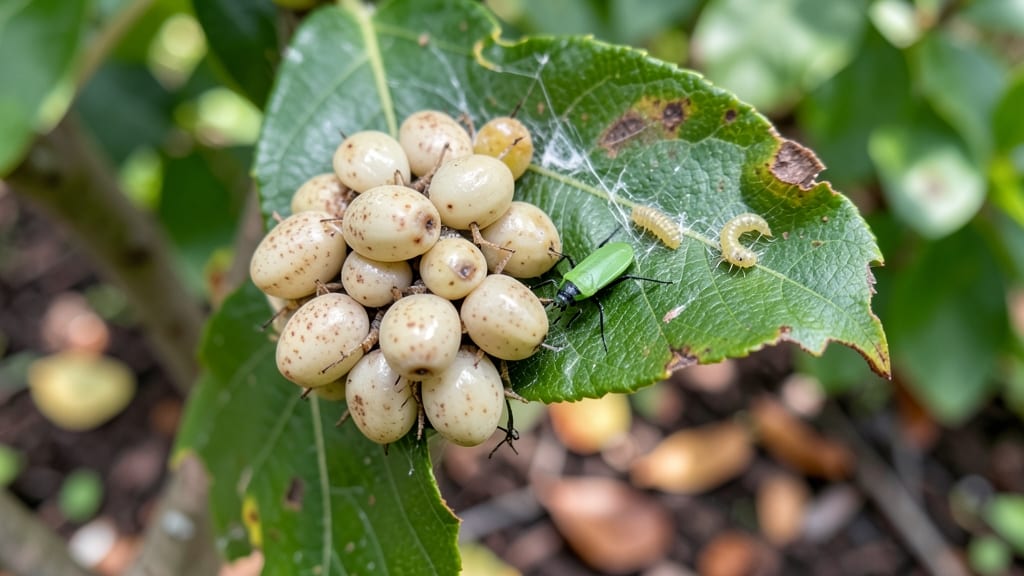
Fruit tree bugs and insects can turn your harvest into a battleground—unless you know the right natural defenses. 🌳 I’ve lost entire crops to aphids and borers, but these simple tricks keep my trees thriving year after year, with zero chemicals.
The key is early action: weekly inspections, targeted sprays, and habitat tweaks that pests hate. You’ll spot the first signs of trouble (chewed leaves, sticky sap, tiny holes) and stop infestations before they spiral. No more helplessly watching your peaches disappear overnight.
By summer’s end, your trees will be healthier than ever, producing fruit so lush neighbors will ask for cuttings. The best part? These methods work for apples, cherries, and citrus alike—no fancy gear required. Let’s get your orchard back under control without harsh sprays.
Here’s how to outsmart the pests naturally.
Root Causes of Tree Pests
Fruit trees are a magnet for bugs and insects—not because they’re weak, but because they’re delicious. 🍎🐛 Understanding why these pests show up in the first place helps you fight back smarter.
Below are the key reasons your trees become a five-star hotel for unwanted critters, broken down into clear, actionable science.
When fruit trees grow too close together—or branches become dense and tangled—air and sunlight struggle to reach the inner foliage. This creates the perfect humid, shaded microclimate that pests like aphids, mites, and scale insects love. Here’s why:
- Reduced airflow: Stagnant air traps moisture, making leaves sticky and ideal for egg-laying. 💦
- Stress signals: Overcrowded trees produce more sugars in their sap (a stress response), which attracts sap-sucking insects like mealybugs.
- Hiding spots: Dense branches shield pests from predators (like ladybugs or birds) and pesticides.
Actionable fix: Prune in late winter/early spring to open up the canopy. Aim for 20–30% light penetration—this disrupts pest habitats and improves tree health.
Just like you’d feel run-down from a poor diet, trees with nutrient deficiencies or excesses become easy targets. Pests zero in on trees that can’t produce enough secondary metabolites—natural chemicals that repel or poison invaders. Common imbalances include:
| Deficiency/Excess | Pest Attraction | Why It Happens |
|---|---|---|
| Low nitrogen (💚 pale leaves) | Aphids, whiteflies | Slows growth, making trees more susceptible to stress and pest colonization. |
| High phosphorus (🌱 dark, leathery leaves) | Scale insects, mites | Excess phosphorus reduces tree resilience and attracts sap-feeders. |
| Magnesium/potassium deficiency (🟡 yellow edges) | Borers, fruit flies | Weakens cell walls, making fruit and wood easier to penetrate. |
Actionable fix: Test your soil (pH 6.0–7.0 is ideal for most fruit trees) and amend with compost or organic fertilizers like fish emulsion. Avoid synthetic over-fertilization—it can worsen pest problems.
Pests don’t just appear randomly—they follow environmental cues like temperature, humidity, and seasonal changes. For example:
- Spring warmth: 🐛 Codling moths and peach twig borers emerge when soil temps hit 50°F (10°C).
- Summer drought: 🍃 Scale insects thrive when trees conserve water, making sap thicker and sweeter.
- Fall humidity: 🍄 Fungal gnats and leaf miners flourish in damp conditions after harvest.
Actionable fix:
- Monitor degree-day accumulations (a tool gardeners use to predict pest outbreaks).
- Use mulch to stabilize soil moisture—preventing extreme swings that stress trees.
- Install weather-resistant netting before peak pest seasons (e.g., spring for fruit flies).
Think of your orchard like a kitchen: leftovers attract pests. When fallen fruit, mummified leaves, or old wood debris linger, they become:
- Nurseries: 🐛 Japanese beetles and fruit flies lay eggs in rotting organic matter.
- Food sources: 🍇 Overripe or damaged fruit draws wasps, ants, and beetles.
- Shelter: 🪲 Stink bugs and earwigs hide in thick mulch or leaf litter.
Actionable fix: Practice year-round cleanup:
- Remove all fallen fruit (even if it’s just a few inches from the tree).
- Rake up leaf debris in late fall and compost it away from the orchard.
- Prune out dead or diseased wood—these are hotspots for borers.
Pro Tip: 🎯 Rotate your defenses. If you notice pests flocking to the same spots year after year, dig deeper—it’s often a sign of an underlying issue (like compacted soil or overwatering) that’s making your trees too easy a target.
Natural Ways to Outsmart Tree Pests
Fruit tree bugs and insects can feel like an unwinnable battle, but with the right strategies, you can protect your trees without harsh chemicals. The key is early action, prevention, and targeted solutions—whether you're dealing with aphids, borers, or fruit flies.
Below, we’ll break down practical fixes for common pests, along with preventive tips to keep your trees thriving.
Aphids cluster on new growth, leaving sticky honeydew and stunted leaves behind. Act fast to avoid secondary mold issues (like sooty mold).
- 💦 Blast Them Away Use a strong stream of water from your hose to dislodge aphids from leaves and stems. Repeat every 3–4 days until they’re gone. Pro Tip: 🌡️ Do this in the early morning so leaves dry quickly, reducing mold risk.
- 🌿 Soap It Up Mix 1 tbsp mild liquid soap (like Castile soap) + 1 quart water in a spray bottle. Test on a small leaf first—aphids hate the solution! Warning: Avoid harsh detergents; they can damage plants.
- 🐝 Encourage Predators Ladybugs, lacewings, and parasitic wasps love aphids. Plant dill, fennel, or yarrow nearby to attract these natural allies.
Borers tunnel into bark and wood, weakening trees over time. Prevention is critical—once they’re inside, it’s tough to remove them.
- 🔪 Prune Infested Branches Cut away any branches with exit holes, sawdust-like frass, or oozing sap. Burn or bag the debris immediately to prevent spread. Pro Tip: ✨ Seal fresh cuts with pruning sealant to block entry points for future borers.
- 🌿 Apply Beneficial Nematodes These microscopic worms kill borer larvae without harming plants. Mix 1–2 lbs of nematodes per gallon of water and apply to soil at the tree’s base in early morning or evening (they die in sunlight).
- 🛡️ Protect Young Trees Wrap the trunk of young trees with tree guard or aluminum foil (yes, really!) to deter adult borers from laying eggs.
These pests lay eggs in your fruit, turning it into a mushy mess. Traps and barriers are your best defense.
- 🎣 Set Up Traps Early Hang red or yellow sticky traps near trees in late spring to catch adult flies before they lay eggs. DIY Trap: 🍎 Fill a plastic bottle with apple cider vinegar + a drop of dish soap.
Punch holes in the cap, invert it into the bottle, and flies will drown.
- 🧴 Use Spinosad Spray This organic bacteria-based spray (derived from soil microbes) paralyzes fruit flies and moths on contact. Spray every 7–10 days during peak season.
- 🍎 Cover Young Fruit For high-value crops (like peaches or cherries), use fine netting to block adult flies from accessing fruit.
The best offense is a healthy, resilient tree. Follow these easy habits to keep pests away:
- 🌿 Keep Trees Stress-Free Well-watered, properly fertilized trees (with balanced organic fertilizer) are less attractive to pests. Mulch around the base to retain moisture.
- 🧹 Clean Up Debris Remove fallen fruit, leaves, and weeds from under trees—these are hiding spots for pests and eggs.
- 🌱 Plant Smart Choose pest-resistant varieties of fruit trees (e.g., Liberty apples for fire blight resistance). Interplant with herbs like basil or rosemary to repel insects.
- 🕵️ Monitor Regularly Check trees weekly for early signs (holes, chewed leaves, webbing). Catching pests early saves time and fruit!
If you spot large-scale borer damage, persistent infestations, or dying branches, it’s time to consult a certified arborist. Some pests (like emerald ash borers) require professional intervention to prevent tree loss.
Remember: 🌱 Patience and consistency are key. Most pests can be managed naturally with the right approach—no chemicals needed! Try one method at a time, observe results, and adjust as needed. Your trees (and your fruit harvest) will thank you.
Frequently asked questions
How do I know if my fruit tree has bugs or just normal seasonal changes?
Look for these red flags: Holes in leaves (chewing insects), sticky residue (aphid honeydew), or sawdust-like frass (borer activity). Normal seasonal changes (like leaf drop) happen gradually, while pest damage appears sudden and localized. Check both sides of leaves and bark crevices—pests love hiding there.
Can I use neem oil on fruit trees, and when's the best time to apply it?
Yes! Neem oil works well against aphids, mites, and scale insects, but apply it early morning or late evening to avoid harming bees. Mix 1 tbsp neem oil + 1 tsp mild soap per quart of water, and spray until leaves are damp. Avoid spraying when fruit is ripe—wait until harvest season is over for the year.
What's the fastest way to stop fruit flies from ruining my harvest?
Combine traps + barriers for immediate results. Set up apple cider vinegar traps (bottle with holes + soap) near trees, and cover young fruit with fine netting. For existing infestations, spray spinosad every 7 days until flies disappear. Clean up all fallen fruit immediately—it’s their breeding ground!
Are there any bugs that actually help my fruit trees?
Ladybugs, lacewings, and parasitic wasps eat aphids and mites, while praying mantises hunt caterpillars. Even ground beetles control grubs. Plant dill, fennel, or yarrow nearby to attract these helpful predators—your trees will thank you with fewer pests and more fruit!
Why do some of my fruit trees get bugs while others stay pest-free?
Healthy trees with good airflow, balanced nutrients, and proper spacing resist pests better. Overcrowded trees create humid microclimates that pests love, while stressed trees (from drought or overwatering) produce more sugary sap that attracts insects. Prune regularly, mulch properly, and water consistently to create a pest-resistant environment.