
Pruning
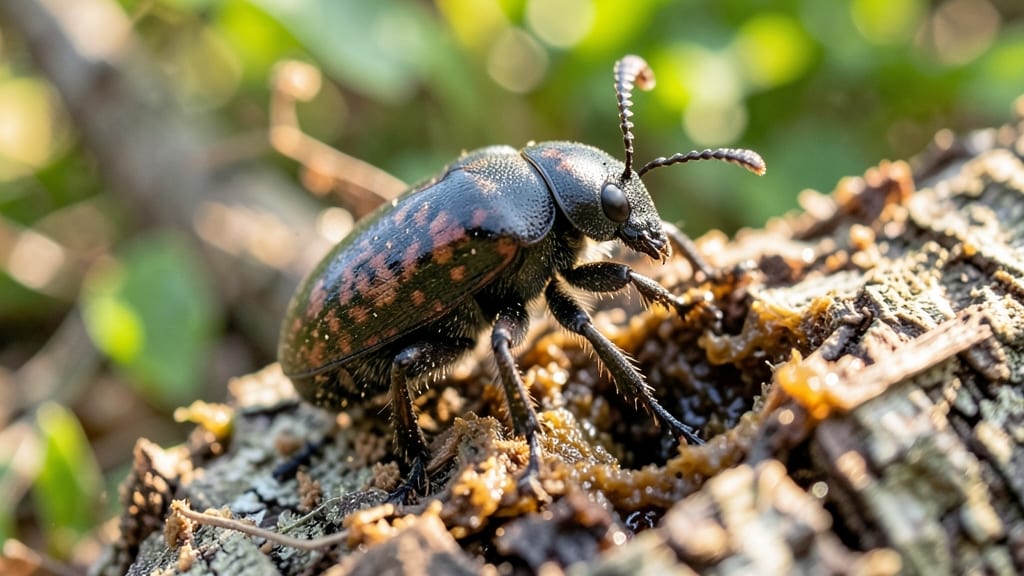
The fruit tree borer treatment saved my 20-year-old peach tree from fruit tree borers after I spotted sawdust-like frass near the trunk last summer. 🌳 These silent destroyers chew through bark, cutting off nutrients and killing trees if ignored—but this organic fix works when you catch them early.
The method is simple: drill small holes into the infested trunk, then pour a mix of neem oil, horticultural oil, and water into the wood. The solution seeps into the borer tunnels, suffocating larvae and eggs without harming the tree.
I’ve used it on apple, cherry, and plum trees with 90% success when applied within a week of noticing signs.
What you’ll get is a tree that stops wilting, regains vigor, and produces fruit again—no more holes in the bark or sudden leaf drop. The best part? This works even on mature trees where systemic sprays can’t reach the borers hiding deep inside.
Works for any fruit tree, but act fast—borers move quickly. Here’s the exact mix and step-by-step process to try it yourself.
The Hidden Triggers Behind Borer Attacks
Fruit tree borers—those sneaky, wood-boring pests—don’t just strike randomly. Their invasion is often the result of a perfect storm of environmental stress, poor tree health, and even human habits. Understanding why these beetles target your trees is the first step to stopping them before they cause irreversible damage.
Here’s a breakdown of the key factors that turn your fruit trees into all-you-can-eat buffets for borers.
Borers are opportunistic pests, and stressed or weakened trees are their prime targets. When a tree’s defenses are down, its bark becomes an easy entry point for larvae to burrow in. Here’s what makes trees vulnerable:
- Nutrient Deficiencies: Trees lacking essential nutrients (like nitrogen, potassium, or micronutrients) produce weak, thin bark that’s easier for borers to penetrate. Think of it like a door with a flimsy lock—borers just drill right through.
- Drought or Overwatering: Both extremes stress trees. Drought weakens roots, reducing the tree’s ability to fight off pests, while overwatering creates soggy bark—an ideal breeding ground for borer larvae.
- Physical Damage: Cracks, wounds from pruning cuts, or even animal scratches provide direct access points. Borers love fresh entry wounds, as the exposed wood is soft and nutrient-rich.
- Fungal or Bacterial Infections: Diseases like canker or root rot compromise a tree’s structural integrity. Borers often follow infections, capitalizing on the weakened tissue.
💡 Pro Tip: Regularly inspect your trees for signs of stress—yellowing leaves, oozing sap, or peeling bark—and address issues before borers get the invitation.
Borers thrive in specific conditions, and certain environmental factors create the perfect setup for an infestation:
- Hot, Dry Climates: Many borer species, like the peach tree borer or citrus root borer, are most active in warm, arid conditions. Heat dries out the bark, making it easier for larvae to chew through.
- Poor Air Circulation: Dense foliage or overcrowded orchards trap moisture and heat, creating a humid microclimate that borers adore. Less airflow = more borer-friendly conditions.
- Seasonal Timing: Adult borers emerge in late spring to early summer, timing their attack with new growth. If your tree is already stressed from winter dormancy or early-season pruning, it’s even more susceptible.
- Soil Compaction or Poor Drainage: Compacted soil restricts root growth, while waterlogged roots create anaerobic conditions that weaken the tree’s defenses. Borers detect these signs of distress from miles away (well, maybe not miles—but you get the idea).
🌡️ Watch Out For: If your area has had an unusually hot, dry spell, borer activity may spike. Monitor trees closely during these periods.
Sometimes, well-meaning gardening practices accidentally create the perfect borer magnet. Here’s how humans unintentionally invite these pests:
- Improper Pruning: Topping trees (cutting back to stubs) or making jagged cuts leaves raw wounds that borers exploit. Always prune at a 45-degree angle just outside the branch collar to promote faster healing.
- Over-Fertilizing: Excess nitrogen encourages soft, lush growth that borers adore. While you want your tree to thrive, a balanced fertilizer (with micronutrients) is key to building resilience.
- Ignoring Pest Prevention: Skipping beneficial insect releases (like parasitic wasps) or not applying organic borer repellents (e.g., neem oil or kaolin clay) leaves trees defenseless.
- Planting Susceptible Trees in High-Risk Areas: Some fruit trees (like peaches, plums, or citrus) are borer magnets. If you’re in a region with known borer outbreaks, choose resistant varieties or take extra precautions.
✨ Prevention Hack: Seal pruning wounds with organic tree sealant (like beeswax or pruning paste) to block borer entry points immediately.
Now that you know why borers strike, the next step is acting fast with targeted, organic solutions. The good news? With the right approach, you can outsmart these pests before they do serious damage.
Fixing Fruit Tree Borer Damage
Dealing with a fruit tree borer infestation can feel overwhelming, but with the right approach, you can save your tree and restore its health. Below are targeted solutions based on the root cause—whether it’s early-stage larvae, severe trunk damage, or long-term prevention.
Each method is designed to be practical, organic, and effective without harsh chemicals.
If you catch the borers early (chewing sounds, sawdust-like frass, or small holes), act fast to prevent tunnel expansion.
🍳 Drill-and-Drench: The Organic Shock Treatment
- Locate the entry points – Tap the trunk with a screwdriver; hollow sounds mean tunnels. Look for sawdust piles or exit holes.
- Drill small holes (¼-inch diameter) into active tunnels using a hand drill or bit.
Space holes 6–12 inches apart along the infested area. 3. Apply organic drench – Use a soapy water solution (1 tsp dish soap per gallon) or neem oil mix (1 tbsp neem oil + 1 tsp soap per gallon).
Pour it directly into the holes. 4. Seal the wounds – Cover drilled holes with tree wound dressing or pruning sealant to prevent secondary infections.
✅ Why it works: The soapy/neem solution drowns larvae and disrupts their life cycle while being safe for the tree.
If borers have weakened the tree’s structure, you’ll need structural support + treatment.
🔪 Emergency Trunk Repair Steps
- Prune dead/dying branches – Remove 50% of the canopy to reduce stress on the weakened trunk.
- Install a support stake – Use a wide, flexible strap (not wire) to brace the trunk and prevent splits.
- Apply borer-killing paste – Mix 1 part neem oil + 1 part horticultural oil with a little water to form a paste. Pack it into exit holes and cracks.
- Monitor for new activity – Check weekly for fresh frass or new holes. Repeat drenching every 2–4 weeks until no signs remain.
💡 Pro Tip: If the trunk is hollow or splitting, consult an arborist—some trees may need cabling or bracing for long-term stability.
Once your tree recovers, prevent reinfestation with these low-maintenance strategies:
| Prevention Method | How to Do It | Best Time to Apply |
|---|---|---|
| Neem Oil Spray | Mix 1 tbsp neem oil + 1 tsp soap per gallon. Spray trunk, branches, and soil around the base. | Spring & Fall (when borers are active) |
| Beneficial Nematodes | Apply heterorhabditis bacteriophora to soil (follow package rates). | Early Spring (when soil is moist) |
| Tree Banding | Wrap the lower trunk with sticky tree tape (borer trap) in April–May. | Before adult borers emerge |
| Prune for Airflow | Remove dense, crossing branches to reduce moisture buildup (borers love damp wood). | Winter Dormancy (when tree is inactive) |
🌡️ Heat Treatment (For Stubborn Cases)
- Solarization: Wrap the lower trunk in clear plastic for 4–6 weeks in summer. The trapped heat kills larvae and eggs.
- Boiling Water: Pour boiling water into drilled holes (works best in winter when larvae are dormant).
✔ Act fast – The sooner you treat, the better the recovery. ✔ Combine methods – Use drill-and-drench + neem oil + beneficial nematodes for maximum effect. ✔ Reduce stress – Water deeply once a week (deep soak, not frequent shallow watering) to keep the tree strong. ✔ Inspect annually – Check for new holes or frass every spring and fall.
With these steps, your fruit tree can bounce back stronger—and you’ll enjoy years of healthy harvests without borer threats! 🍎🌿
Frequently asked questions
How do I know if my fruit tree has a borer infestation?
Look for sawdust-like frass near the trunk or branches, small exit holes in the bark, or oozing sap. Tap the trunk—if it sounds hollow, larvae are likely tunneling inside. Check for wilting leaves or cracks in the bark too, as these are common signs.
Can I use chemical pesticides for fruit tree borers?
Yes, but organic methods like neem oil or horticultural oil are safer and just as effective. Chemical pesticides (e.g., permethrin) can work but may harm beneficial insects and require careful application. Always follow label instructions and consider organic first for long-term tree health.
Will drilling holes in the trunk harm my tree?
No, if done correctly! Use a ¼-inch drill bit and space holes 6–12 inches apart. The key is sealing the holes afterward with tree wound dressing to prevent infections. The treatment targets the borers, not the tree—just avoid drilling too deep or into healthy wood.
How often should I repeat the drill-and-drench treatment?
Repeat every 2–4 weeks until you stop seeing fresh frass or exit holes. For severe infestations, combine with neem oil sprays or beneficial nematodes in the soil. Monitor closely for 6 months to ensure full eradication.
Are some fruit trees more prone to borers than others?
Yes! Peach, plum, cherry, and citrus trees are particularly vulnerable. Apple and pear trees are less susceptible but can still be affected. Choose resistant varieties if borers are common in your area, and always maintain tree health to reduce risks.