
Fertilization
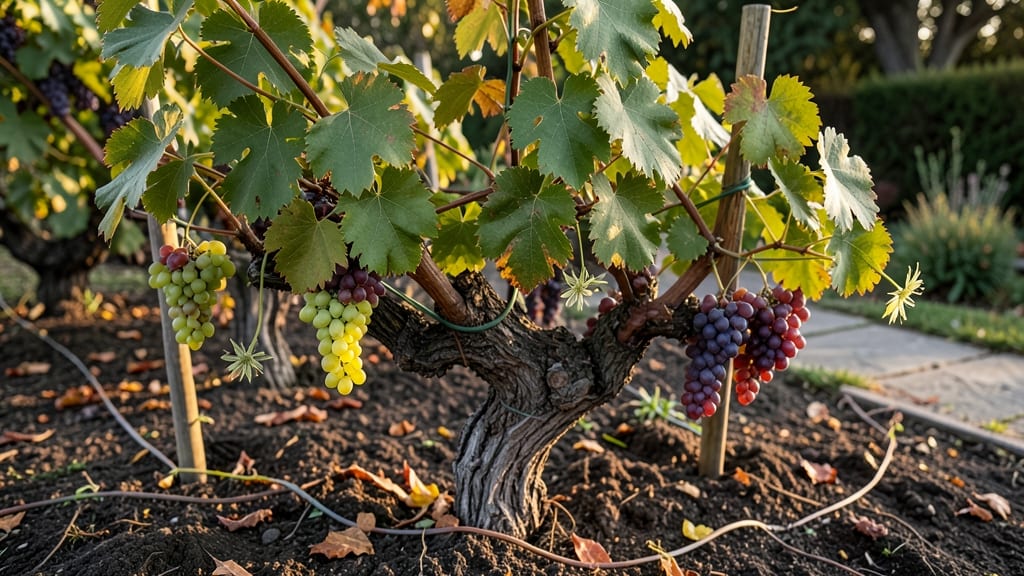
If you love grapes but want something different to grow, fruit similar to grapes opens up a world of juicy, vine-grown treasures. 🍇 Muscadines, passionfruit, and kiwi berries all deliver that same burst of sweetness in clusters or single berries—just with unique flavors and textures.
My first attempt with muscadines taught me how resilient these plants can be, even in tough climates.
These grape-like fruits thrive in warm climates but many varieties adapt to cooler zones with proper care. Muscadines love humidity and sandy soil, while passionfruit climbs fences or trellises in full sun.
Kiwi berries (hardy kiwi) are the easiest to grow in most home gardens—just give them a sturdy support and consistent watering. All three produce edible fruits that taste like a cross between grapes and tropical treats.
You’ll harvest sweet, juicy clusters in late summer or early fall, depending on the variety. Muscadines ripen to deep purple with a honeyed flavor, passionfruit bursts with tangy seeds, and kiwi berries offer a tropical twist.
The best part? These plants are beginner-friendly once you know their basic needs—sunlight, water, and occasional pruning.
Whether you’re in the South or a mild coastal area, these grape alternatives grow well in containers or in-ground. Start with muscadines for a classic grape vibe, or try passionfruit for a bold, exotic twist. Your garden will thank you for the low-maintenance, high-reward harvest!
📚 In This Guide
- What you need
- Instructions
- Tips and common mistakes
- Wrapping up and next steps
What you need
- ● Vine-Ripened Fruit Plants: Choose 3–5 of these grape-like alternatives (select based on climate): Muscadine grapes (Vitis rotundifolia) – 1–2 plants (disease-resistant, heat-tolerant)
- ● Kiwano (Cucumis metuliferus) – 2–3 plants (ornamental, spiky orange "horns")
- ● Passion fruit (Passiflora edulis) – 1–2 vines (needs trellis, tropical/subtropical climates)
- ● Maypop (Passiflora incarnata) – 1–2 vines (native to the U.S., edible fruit)
- ● Hardy kiwi (Actinidia arguta) – 1 male + 1 female plant (cold-hardy, smooth-skinned)
- ● Soil: Well-draining potting mix (for containers) – 5–10 gallons per plant
- ● Compost or aged manure (1–2 cups per planting hole for in-ground)
- ● Organic mulch (straw or shredded leaves) – 2–3 inches
- ● Trellis or Support: Metal or wooden trellis (6–8 ft tall for passion fruit/kiwano)
- ● Cattle panels or sturdy stakes (for muscadines/passion fruit)
- ● Garden Tools: Trowel or hand shovel
- ● Pruning shears (sterilized)
- ○ Gloves (optional but recommended for prickly fruits like kiwano)
- ● Fertilizer: Balanced organic fertilizer (10-10-10) – 1 tbsp per plant (spring/early summer)
- ● Citric acid (for passion fruit/kiwano – 1 tsp per gallon of water, monthly)
- ● Watering Supplies: Drip irrigation or watering can (1–2 gallons per plant, 2–3x/week)
- ○ Moisture meter (optional, for container gardens)
- ● Climate Considerations: Frost cloth (for tender vines like kiwano/passion fruit in USDA Zones 8–11)
- ○ Greenhouse or cold frame (optional for Zones 6–7)
- ● Pollination aid: Small paintbrush (for self-pollinating plants like maypop)
- ● Fruit thinning scissors (to improve size/quality)
- ● Harvesting basket with soft lining (for delicate fruits like kiwano)
- ● Fruit ripening spray (calcium carbide-free, for even sweetness)
Step-by-step guide to growing vine-ripened fruits like grapes
Here's how to cultivate four delicious, grape-like fruits that thrive on vines and bring sweet rewards to your garden.
🌱 Step 1: Select Your Vine Fruit Varieties
For grape-like flavors and textures, focus on kiwifruit, passionfruit, muscadine grapes, or hardy kiwi. Kiwifruit vines produce fuzzy, tangy fruits with vibrant green flesh, while passionfruit offers tropical sweetness with a unique citrusy aroma. Muscadine grapes are native American varieties with thick skins and rich, honeyed flavors—perfect for jelly or fresh eating.
Hardy kiwi (Actinidia arguta) is a cold-hardy alternative to commercial kiwifruit, producing tiny, sweet berries that resemble grapes in appearance. Choose disease-resistant varieties like 'Issai' for compact growth or 'Ken's Red' for vibrant red fruit. Start with 4-6 plants to ensure cross-pollination (if needed) and a bountiful harvest.
☀️ Step 2: Prepare the Planting Site
Vine fruits need full sun (6-8 hours daily) and well-draining soil with a pH of 5.5-7.0. Amend heavy clay soil with 2-3 inches of compost and a handful of granular organic fertilizer (like 10-10-10) mixed into the top 12 inches of soil. Avoid low-lying areas where cold air settles—vines are sensitive to frost damage.
For kiwifruit and hardy kiwi, plant male and female vines separately (unless you choose a self-pollinating variety like 'Issai'). Space plants 8-10 feet apart to allow vines to spread without crowding. Passionfruit vines need strong trellises or arbors—install 8-foot-tall posts with woven wire or sturdy netting before planting. Muscadine grapes thrive on permanent trellises or fences for support.
🪴 Step 3: Plant and Establish Young Vines
Dig a hole twice as wide as the root ball but no deeper. Gently loosen roots if they’re circling and place the vine in the hole, ensuring the graft union (if present) sits 2-3 inches above soil level. Backfill with native soil, tamping lightly to remove air pockets. Water deeply to settle the soil—1-2 gallons per plant—and add a 2-inch layer of mulch (straw or wood chips) to retain moisture and suppress weeds.
Prune new vines immediately after planting, cutting back one-third of the foliage to reduce stress. This encourages root establishment and stronger growth. For kiwifruit and passionfruit, install drip irrigation to keep soil consistently moist during the first 6-8 weeks. Overhead watering can spread fungal diseases like powdery mildew, which vines are prone to.
💧 Step 4: Train and Maintain Vines for Optimal Growth
As vines grow, train them onto trellises using soft ties or twine. Kiwifruit and hardy kiwi benefit from a fan-shaped trellis, while passionfruit thrives on a single central leader. Prune annually in late winter or early spring, removing dead, crossing, or weak growth to improve airflow and fruit production. For muscadine grapes, keep 2-3 main canes and prune back to 4-6 buds per cane to encourage fruit clusters.
Fertilize twice a year: apply a balanced organic fertilizer (like 5-5-5) in early spring when new growth begins, and again after harvest. Passionfruit is heavy-feeding—add a high-potassium fertilizer (like 0-0-50) in early summer to boost fruit set. Watch for yellowing leaves or stunted growth, which signals nutrient deficiencies (especially nitrogen or potassium) or overwatering.
⏰ Step 5: Harvest and Enjoy Your Vine-Ripened Treasures
Kiwifruit and hardy kiwi ripen in late summer to fall, typically 80-120 days after flowering. Harvest when fruit easily detaches from the vine and has a slight give when gently squeezed. Passionfruit ripens in 6-8 months, turning from green to deep purple or yellow—pick when the fruit drops easily into your hand. Muscadine grapes ripen late summer to early fall, with skins darkening to deep purple or black and a sweet, musky aroma.
Store harvested fruit in a cool, dark place (like a root cellar) for 1-2 weeks to soften further. Kiwifruit and passionfruit can be refrigerated for up to 3 months. Freeze excess passionfruit pulp for smoothies or jams. For muscadine grapes, make jelly, wine, or fresh clusters—their thick skins make them ideal for cooking. With proper care, your vines will produce 4-6 years of bountiful harvests!
Tips & tricks for growing vine fruits like grapes
Transforming your garden into a vine fruit paradise takes more than just planting—here's how to maximize success with these grape-like delights.
Sunlight Strategy: While the instructions call for 6-8 hours of daily sun, I've found that passionfruit and muscadine grapes actually thrive with 8+ hours in hotter climates. Position your vines on the southern side of fences or trellises to capture maximum sunlight, especially during summer months when fruit development demands energy. For kiwifruit varieties, morning sun with afternoon shade prevents leaf scorch while maintaining fruit quality.
Soil pH Precision: The recommended 5.5-7.0 pH range is ideal, but I've seen dramatic differences when testing soil before planting. Use a simple soil test kit ($10 at garden centers) to verify your pH—if it's below 5.5, amend with lime (1-2 pounds per 100 square feet) 2-3 months before planting. For pH above 7.0, mix in sulfur or peat moss to acidify gradually. These adjustments prevent nutrient deficiencies that manifest as yellowing leaves or poor fruit set.
Watering Wisdom: The critical 6-8 week drip irrigation period for new vines is non-negotiable, but I've discovered a subtle tweak: water early morning (before 8 AM) rather than evening to prevent fungal spores from thriving on damp foliage. For established vines, let the top 2 inches of soil dry between waterings—this encourages deeper root growth and prevents root rot, especially for passionfruit which is particularly sensitive to waterlogged conditions.
Pruning Payoff: When pruning muscadine grapes to 4-6 buds per cane, focus on selecting buds that face outward rather than inward. This creates better airflow through the canopy, reducing fungal diseases while maximizing sunlight exposure to fruit clusters. For kiwifruit, I've found that removing suckers (new growth from the base) in early summer redirects energy to fruit production rather than vegetative growth.
Pro Tips for Fruit Similar To Grapes
- Transforming your garden into a vine fruit paradise takes more than just planting—here's how to maximize success with...
- Sunlight Strategy: While the instructions call for 6-8 hours of daily sun, I've found that passionfruit and muscadine...
- Soil pH Precision: The recommended 5.5-7.0 pH range is ideal, but I've seen dramatic differences when testing soil be...
Frequently asked questions
Got questions about growing or enjoying grape-like fruits? You’re not alone—here are some of the most common queries we hear from gardeners and foodies alike! Whether you're troubleshooting your vine or curious about alternatives, we’ve got you covered.
What are the easiest grape-like fruits to grow in a home garden?
If you’re new to vine gardening, start with muscadines or kiwis—both are hardy and produce fruit similar to grapes in flavor and texture. Muscadines thrive in warm climates, while kiwis (especially hardy varieties like Issai) adapt well to cooler regions. For a quick win, try gooseberries or currants, which grow on compact bushes and require minimal space.
How do I know when these fruits are ripe and ready to harvest?
Ripeness varies by fruit, but here’s a quick guide:
- Grapes (and grape-like fruits like muscadines): They should plump, detach easily from the vine, and smell sweet. For dark varieties, the skin may soften slightly.
- Kiwis: They’ll feel slightly soft when gently squeezed and develop a sweet aroma near the stem.
- Gooseberries/currants: Look for a deep, vibrant color (red, purple, or black) and a slight give when pressed.
Can I substitute grape-like fruits in recipes that call for grapes?
While the texture may vary slightly, many grape-like fruits work as 1:1 substitutes. For example:
- Muscadines or blackberries add depth to sauces, jams, or desserts.
- Kiwis bring a tangy twist to salads or smoothies (great in green salads or as a topping for yogurt!).
- Gooseberries shine in pies or chutneys—think of them as a tart, grape-like cousin to cranberries.
Why are my grape-like fruits splitting or cracking?
Splitting is usually a sign of uneven watering or rapid growth due to inconsistent moisture. To fix it:
- Water deeply but infrequently—aim for 1–2 inches of water per week, especially during fruit development.
- Mulch around the base to retain moisture and regulate soil temperature.
- Avoid heavy rains right before harvest—this is when splitting is most likely to occur.
Are there any grape-like fruits that don’t require cross-pollination?
Yes! If you’re growing in a small space or want low-maintenance options, try these self-pollinating varieties:
- Issai kiwi (a self-fertile kiwi variety that produces both male and female flowers).
- ‘Hinnonmatsu’ persimmon (technically not a grape-like fruit but has a sweet, grape-like texture when ripe).
- Some gooseberry varieties (like ‘Pixwell’) are self-fertile.
Wrapping up and next steps
From kiwano to passion fruit, there’s a whole world of vine-ripened fruits waiting to transform your garden into a flavorful paradise! 🌱 Whether you’re drawn to their unique textures, vibrant colors, or health benefits, these grape-like gems are perfect for both beginners and seasoned growers.
Now that you’ve got the materials and answers to common questions, it’s time to roll up your sleeves and plant your first vine—your taste buds (and Instagram feed) will thank you!
Next step: Pick your favorite fruit from this list, check your local climate zone, and start prepping your soil—your garden’s new star is just a season away! 🌿✨