
Trees
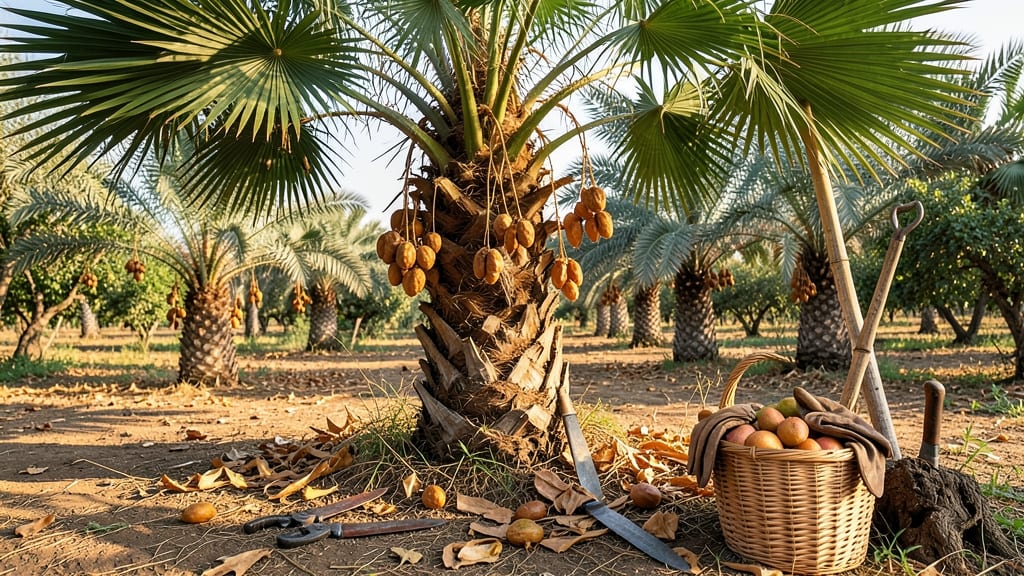
Edible fruits from palm trees include dates, coconuts, acai berries, and heart of palm, each requiring careful identification and proper preparation to ensure they're safe and delicious to eat. Always double-check species before consuming wild varieties.
Most people overlook just how many nutritious options grow on palm trees—beyond coconuts. 🌴 Dates, for example, pack natural sugars and fiber, while acai berries deliver powerful antioxidants.
The key to safe consumption lies in recognizing visual cues: edible varieties typically have smooth, fleshy fruit (like coconuts) or clustered berries (like acai), while toxic palms often feature spiky husks or bitter-tasting sap.
I always recommend starting with store-bought varieties until you're confident identifying wild specimens, as misidentification can lead to serious health risks.
Many edible palm fruits also require specific preparation methods. Coconuts need proper drying for their water and meat, while heart of palm must be peeled and cleaned thoroughly. Understanding these steps transforms a simple fruit into a versatile ingredient—think coconut milk in curries or date-based energy bars.
When cultivating these palms at home, pay attention to their native climates: tropical varieties thrive in warm, humid conditions, while others adapt to Mediterranean zones.
💡 In This Article
- How to Identify Safe Edible Palm Tree Fruits
- Cultivating and Harvesting Edible Palm Fruits at Home
How to identify safe edible palm tree fruits
Edible palm fruits share distinct physical traits that help distinguish them from toxic varieties. Start with the fruit structure: safe options like coconuts have a thick, fibrous husk surrounding a hard shell, while dates grow in dense clusters with a papery outer layer.
The leaf shape matters too—edible palms often have fan-shaped fronds (like coconut palms) or feather-like leaves (like acai palms), whereas toxic palms may have jagged or waxy leaf edges. Always check for sap color: clear or milky sap usually signals safety, while yellow or bitter-tasting sap indicates toxicity.
Coconuts are the easiest to identify—they're the only palm fruit with a three-layered structure: the outer husk, the hard shell, and the edible white meat inside. For dates, look for clusters of 10-100 fruits per stalk, each about 2-4 inches long when ripe.
Acai berries grow in bunches of 500-900 small, purple fruits per cluster, resembling tiny grapes. 🌴 Heart of palm comes from the inner core of certain palms and has a cylindrical shape with a fibrous texture when raw.
Never eat fruits with sharp spines or bitter flesh—these are red flags for toxic varieties.
The growth pattern provides another clue: edible palms like coconut palms grow 20-30 feet tall with a single trunk, while date palms can reach 60-100 feet with a slender, segmented trunk. Toxic palms often have multiple trunks or irregular growth patterns.
When in doubt, compare the fruit to known edible varieties or consult a local botanist. For wild specimens, a simple taste test of the fruit pulp (not sap) can help—edible fruits should be sweet or mildly nutty, never acrid or soapy.
Seasonality also plays a role in identification. Coconuts ripen 6-12 months after flowering, while dates mature in 3-6 months depending on the variety. Acai berries harvest twice yearly in their native Amazon region.
Pay attention to these timelines—out-of-season fruits may be immature or spoiled. 🌱 Another pro tip: examine the base of the fruit. Edible palms often have a smooth, slightly fibrous attachment point, while toxic palms may leave a messy, resinous residue when detached.
For those curious about less common edible palms, consider peach palm (with its bright red, edible fruit) or sugar palm (producing sweet sap).
Both have distinct growth habits: peach palms grow 15-20 feet tall with a single trunk, while sugar palms develop multiple trunks but produce edible sap from their stems. Always cross-reference with botanical guides or local experts before consuming wild-harvested varieties.
Remember, visual identification isn't foolproof. Some toxic palms mimic edible ones closely. When harvesting wild fruits, bring a small sample to a botanist for confirmation. This precaution prevents accidental poisoning from look-alikes like the manchineel tree (which has edible-looking fruits but deadly sap).
The extra step ensures you're enjoying nature's bounty safely.