
Landscaping
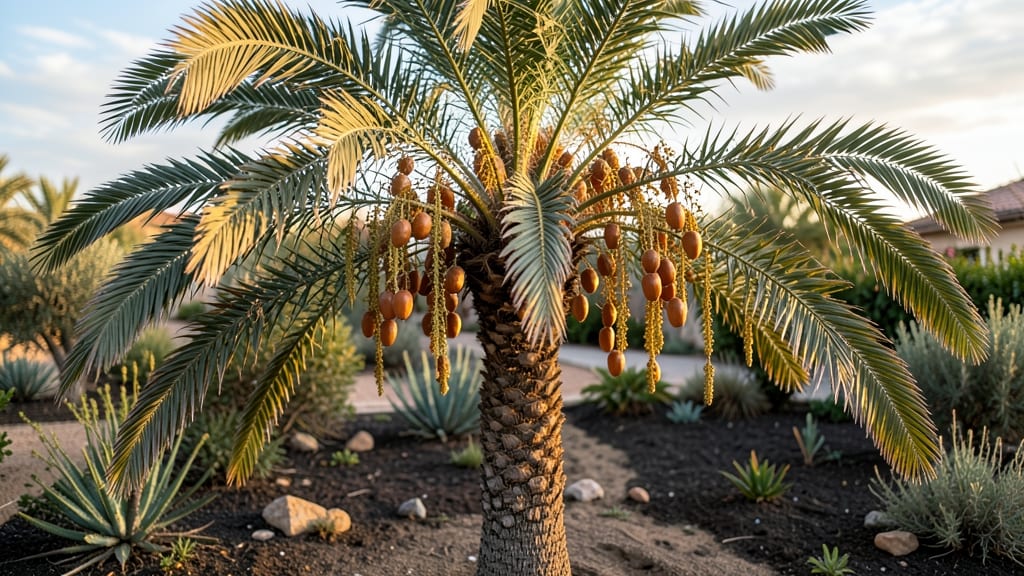
Growing date fruit palms in containers sounds exotic, but dwarf varieties like 'Phoenix canariensis' make it surprisingly doable—even in small spaces. 🌵 I planted mine last spring in a 15-gallon pot, and now it's sending up fronds that look like miniature desert oases.
The secret isn't just the right variety, but matching it to your climate and care routine.
You'll need a sunny spot (at least 6-8 hours of direct light daily), well-draining soil mix, and a container with drainage holes—no fancy equipment required.
Most people overwater these palms, but they're actually drought-tolerant once established. The key is keeping the soil slightly moist but never soggy, especially in summer.
With minimal pruning, you'll see new fronds unfurling every few months, and in a few years, you could even get small, edible dates if you live in a warm enough zone. The plants stay compact enough for patios or balconies, and they add a dramatic, tropical look without taking over.
Works for both indoor growers (with bright grow lights) and outdoor gardeners in zones 9-11. Here's how to keep yours thriving—no desert required!
📚 In This Guide
- What you need
- Instructions
- Tips and common mistakes
- Wrapping up and next steps
What you need
- ● Dwarf Date Palm Variety: 1–2 Phoenix dactylifera or Phoenix canariensis (dwarf cultivars like ‘Little Palm’ or ‘Tiny Date Palm’).
- ● Healthy, potted sapling (3–5 years old, 3–6 ft tall).
- ● Container: 1 large, durable pot (30–50 gallons) with drainage holes.
- ● Material: Fiberglass, plastic, or ceramic (avoid untreated wood).
- ● Soil Mix: 50% cactus/succulent mix (well-draining).
- ● 30% perlite or pumice (for aeration).
- ● 20% compost or worm castings (for nutrients).
- ● Fertilizer: Balanced palm-specific fertilizer (e.g., 8-2-12 or 6-6-6 NPK).
- ● Slow-release granules or liquid feed (apply every 4–6 weeks in growing season).
- ● Tools: Trowel or small shovel.
- ● Pruning shears (sterilized).
- ○ Gloves (optional but recommended).
- ● Mulch (e.g., gravel or bark chips) to retain moisture.
- ● Support stake (if palm is top-heavy).
- ● pH test kit (ideal soil pH: 6.5–7.5).
- ● Drip irrigation system or watering can with a long spout.
- ● Shade cloth (for young palms in hot climates).
Step-by-Step guide to growing dwarf date palms in containers
Here's how to cultivate these stunning tropical plants indoors or on patios with minimal fuss.
🪴 Step 1: Select the Right Dwarf Variety and Container
Choose a cold-hardy dwarf variety like 'Mexican Petit' or 'California Date Palm'—both stay under 10 feet tall and thrive in containers. The pot must be at least 2 feet wide and deep with drainage holes to prevent root rot. I use unglazed terra cotta because it breathes and helps regulate moisture levels.
Fill the bottom 3 inches with cactus/succulent mix for excellent drainage. This layer prevents waterlogging while allowing roots to establish in the looser topsoil. Add a 1-inch layer of perlite on top of the drainage mix to further improve airflow—this is critical for preventing fungal issues common in tropical plants.
🌱 Step 2: Plant Your Palm with Proper Soil Preparation
Use a well-draining potting mix blended with 20% coarse sand or pumice to replicate desert conditions. I mix 3 parts potting soil with 1 part perlite and 1 part coarse sand for the ideal texture. Fill the container to within 2 inches of the rim, leaving room for watering.
Remove the palm from its nursery pot and gently loosen the roots if they're circling. Place the plant in the center of the container, ensuring the root flare (where roots meet the trunk) sits just above soil level. This prevents suffocation and encourages strong trunk development. Backfill with your prepared mix, pressing lightly to eliminate air pockets.
☀️ Step 3: Position for Maximum Light Exposure
Date palms crave full sun—at least 6-8 hours daily—but they'll tolerate morning sun with afternoon shade in hot climates. Place your container near a south-facing window or under grow lights if indoors. You'll notice leaves turning yellow or dropping if light is insufficient—this is their way of telling you to move them closer to the light source.
Rotate the pot a quarter turn weekly to ensure even growth. Uneven light exposure causes lopsided fronds, and dwarf palms are particularly sensitive to this. In winter, supplement with a 14-hour photoperiod using a full-spectrum LED grow light to maintain vigor during shorter days.
💧 Step 4: Water Deeply but Infrequently
Water when the top 2-3 inches of soil feel completely dry—this usually means every 7-10 days in summer, but less frequently in winter. Stick your finger in the soil: if it's dry past your first knuckle, it's time to water. Overwatering is the #1 killer of container palms, leading to root rot that's nearly impossible to reverse.
When watering, soak the soil thoroughly until water runs freely from the drainage holes. Empty the saucer afterward to prevent the plant from sitting in standing water. During the first year, I use lukewarm water to encourage root establishment—cold water can shock tender roots and stunt growth.
✂️ Step 5: Prune Only When Necessary
Dwarf date palms require minimal pruning—only remove yellow fronds, dead leaves, or fronds that have turned brown at the base. Use sterilized pruning shears to cut 1-2 inches above the point where the frond meets the trunk. This prevents disease from entering the plant through open wounds.
Never remove more than 20% of the fronds at once—this stresses the plant and can lead to dormancy. I prune in early spring before new growth begins, which gives the palm time to recover. You'll know you've pruned correctly when new fronds emerge within 4-6 weeks, signaling healthy regrowth.
Tips & tricks for thriving container-grown date palms
These practical insights will help you nurture your dwarf date palm into a lush, long-lived centerpiece with minimal effort.
Soil Composition Matters: The 3:1:1 blend of potting soil, perlite, and coarse sand in Step 2 creates the perfect balance for desert-adapted palms. If you can't find pumice, substitute with horticultural grit or even clean, coarse builder's sand—but always rinse it first to remove salt deposits. I've found that adding a handful of worm castings to the mix boosts microbial activity, which helps roots absorb nutrients more efficiently.
Light Exposure Secrets: That 6-8 hours of daily sunlight in Step 3 is non-negotiable, but here's what nobody tells you: if your palm develops yellowing fronds despite full sun, it might be getting too much direct afternoon heat. Try moving it slightly eastward or providing light shade during peak summer hours (12-3 PM). Indoor growers should position their palms within 2 feet of the brightest window—further than that and you'll struggle with leggy, weak growth.
Watering Wisdom: The finger test in Step 4 is your best friend, but there's a trick to it: press your finger about 2 inches deep into the soil. If it feels dry at that depth, water thoroughly until it drains freely. Pro tip: Use a moisture meter for the first few weeks to get a feel for your specific container's drying rate—different materials (terra cotta vs. plastic) behave differently. And always water in the morning to allow excess moisture to evaporate before nightfall.
Pruning Precision: When you're ready to prune those brown fronds in Step 5, here's how to do it right: Make your cut at a 45-degree angle about 1-2 inches above the trunk junction. This prevents water from pooling at the base where it could cause rot. I've seen people make the mistake of cutting too close to the trunk—this creates unsightly stubs that never heal properly. Sterilize your shears with rubbing alcohol between cuts to prevent spreading any potential pathogens.
Pro Tips for Date Fruit Palm
- These practical insights will help you nurture your dwarf date palm into a lush, long-lived centerpiece with minimal ...
- Soil Composition Matters: The 3:1:1 blend of potting soil, perlite, and coarse sand in Step 2 creates the perfect bal...
- Light Exposure Secrets: That 6-8 hours of daily sunlight in Step 3 is non-negotiable, but here's what nobody tells yo...
Frequently asked questions
Got questions about growing date fruit palms in containers? You’re not alone! Here are some of the most common queries—plus straightforward answers to help you succeed.
Can dwarf date palms really thrive in containers long-term?
Dwarf varieties like Phoenix roebelenii (Pygmy Date Palm) are bred for pots and can live for decades with proper care. Just ensure your container has drainage holes and use a well-draining potting mix (like cactus/succulent blend). Repot every 2–3 years to prevent root-bound stress.
How fast do container-grown date palms grow?
Dwarf date palms grow slowly—expect 6–12 inches per year under ideal conditions. Factors like sunlight, water, and fertilizer speed up growth, but they’ll never outgrow their container’s size. Pruning is minimal; just trim dead fronds to encourage new growth.
What’s the best watering schedule for potted date palms?
Water when the top 1–2 inches of soil are dry (usually every 7–10 days in summer, less in winter). Overwatering is the #1 killer—yellowing fronds or mushy roots? You’re likely overdoing it. Use a moisture meter or stick your finger in the soil to check!
Do dwarf date palms need full sun, or can they handle partial shade?
They prefer full sun (6+ hours/day) for optimal growth and fruiting, but partial shade (4–6 hours) works in hot climates. If indoors, place near a south-facing window or use a grow light. Pale fronds? It’s a sign they need more light!
Will my dwarf date palm ever produce edible fruit?
Most dwarf varieties (Phoenix roebelenii) focus on ornamental growth and rarely fruit in containers. For edible dates, consider larger varieties like Phoenix dactylifera in ground planting (they need 10+ years to bear fruit!). Container-grown palms are prized for their tropical beauty, not harvests.
How do I troubleshoot yellow fronds on my date palm?
| Cause | Fix |
|---|---|
| Overwatering | Let soil dry out; improve drainage |
| Underwatering | Water deeply but less frequently |
| Nutrient deficiency | Fertilize with palm-specific feed (low salt) |
| Pests (spider mites, scale) | Wipe fronds with neem oil or insecticidal soap |
Still struggling? Check for root rot—if the roots smell foul, repot with fresh soil.
Wrapping up and next steps
Growing dwarf date palm varieties in containers is a fantastic way to enjoy their tropical beauty without the high-maintenance upkeep of full-sized trees.
With minimal pruning and the right care, you can cultivate these stunning plants in even the smallest spaces—whether it’s a balcony, patio, or sunny corner of your yard. 🌿
Ready to get started? Pick your favorite dwarf variety, grab a pot, and give these resilient palms the love they deserve. Before you know it, you’ll be harvesting sweet, homegrown dates or simply admiring their lush foliage year after year!