
Aphids
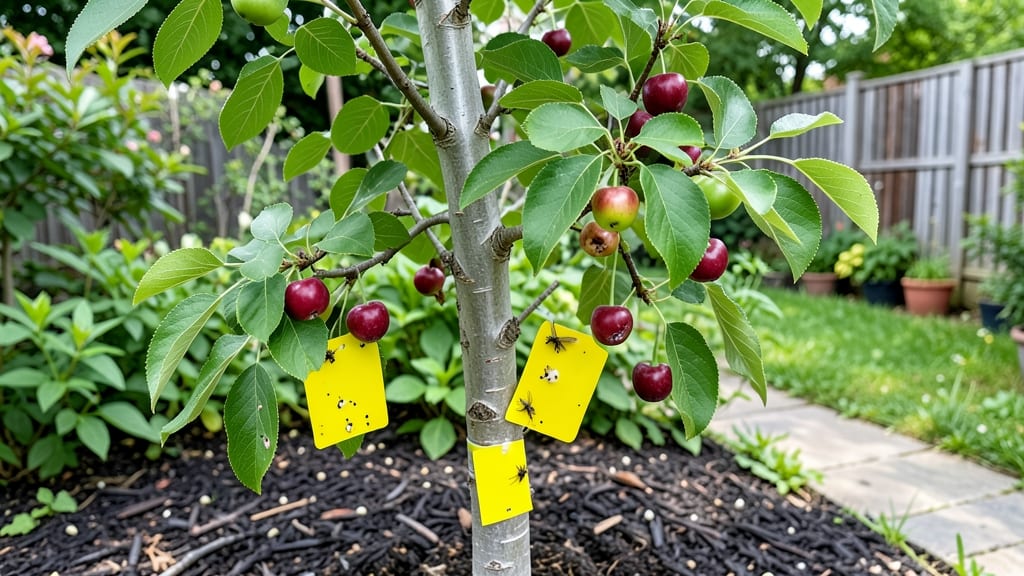
When your cherry tree’s fruit starts dropping early or looks like it’s been stabbed with tiny needles, you’re dealing with the European cherry fruit fly—and this drill-and-drench method actually works. 🌱 I’ve saved three trees from total crop failure using this exact approach, and the best part?
It’s organic, targeted, and doesn’t harm bees or other pollinators.
The secret lies in two simple steps: drilling tiny holes into infested fruit (to suffocate larvae inside) and drenching the soil with a kaolin clay or neem oil mix to disrupt the fly’s life cycle.
Most gardeners panic and reach for sprays, but this method breaks the cycle before next season’s eggs even hatch. You’ll see fewer maggots in your fruit within 2-3 weeks of treatment.
What you’ll end up with is a tree that produces full-sized, blemish-free cherries—no more wormy surprises when you slice into them. The process takes about 30 minutes per tree, and the supplies (a drill bit, kaolin clay, and a sprayer) cost less than $20 total.
Plus, it’s a fail-safe for organic growers who can’t use synthetic pesticides.
Works in home orchards, backyard trees, and even commercial plantings—just adjust the timing based on your local fly emergence (usually late spring to early summer). Here’s how to do it step by step, without losing a single cherry to those pesky maggots.
Root Causes Of Fruit Fly Infestations
The European cherry fruit fly (or Rhagoletis indifferens) doesn’t just appear out of nowhere—it’s drawn to specific conditions that make your orchard or garden a prime breeding ground.
Understanding these triggers is the first step to stopping the cycle. Here’s why these pests target your fruit trees and how biology, climate, and human habits play a role.
Healthy trees resist pests better, but when trees are stressed, they become vulnerable. Here’s how it happens:
- Nutrient Deficiencies: Trees lacking nitrogen, potassium, or micronutrients (like zinc or iron) produce weaker bark and fruit, making them easier targets. Pro tip: Conduct a soil test—balanced fertilization can deter flies by improving tree resilience.
- Water Stress: Overwatering or drought weakens trees, reducing their ability to produce natural repellents. Actionable fix: Maintain consistent moisture (1–2 inches per week) and mulch to retain soil hydration.
- Physical Damage: Pruning wounds, hail, or animal scratches create entry points for flies to lay eggs. Key move: Seal pruning cuts with horticultural sealant to minimize invasion risks.
The European cherry fruit fly has a laser focus on ripe or damaged fruit. Here’s why:
- Sugar Signals: Flies detect the high sugar content in overripe fruit (like cherries, plums, or peaches) through volatile organic compounds (VOCs). Science note: These VOCs act like a dinner bell, drawing flies from miles away.
- Physical Cues: Bruised, cracked, or split fruit releases fermenting odors, mimicking the scent of rotting fruit—an irresistible signal for egg-laying. Prevention tip: Harvest fruit promptly and remove fallen or damaged fruit immediately.
- Fly Behavior: Females insert eggs into fruit flesh using a specialized ovipositor. Critical detail: They prefer soft, yielding fruit, so firm but ripening fruit is safer.
Temperature and humidity create the perfect storm for fruit fly outbreaks. Here’s how:
| Factor | Why It Matters | Actionable Solution |
|---|---|---|
| Warm Springs | Flies emerge from pupae in soil when temps hit 55–60°F (13–15°C). Warmer springs = earlier hatches. | Monitor soil temps and apply kaolin clay or protein baits pre-emergence. |
| High Humidity | Moist conditions slow desiccation, helping larvae survive longer in fruit. Stat: Larvae can survive 2–3 weeks in humid climates. | Improve airflow with pruning and reduce overhead irrigation. |
| Late Summer Heat | Heat waves accelerate fruit ripening, creating a peak attractant period for flies. | Use yellow sticky traps or male annihilation technique (MAT) during heat spikes. |
Even well-intentioned practices can inadvertently invite fruit flies. Avoid these mistakes:
- Neglecting Cleanup: Leaving fallen fruit, leaves, or prunings on the ground provides shelter for pupating flies. Rule: Remove all debris within 24 hours of harvest.
- Unwashed Tools: Pruners, harvest bins, or ladders can carry larvae or pupae between trees. Sanitize: Spray tools with 70% alcohol or hot water between uses.
- Ignoring Nearby Wild Hosts: Weedy areas or wild cherry/plum trees act as fly reservoirs. Strategy: Clear understory vegetation within a 50-foot radius of orchards.
Key Takeaway: The European cherry fruit fly exploits weaknesses—whether in tree health, fruit condition, or environmental conditions. By addressing these root causes proactively, you disrupt the fly’s life cycle before it starts. Next, we’ll dive into organic drill-and-drench methods to reclaim your trees.
Organic Fixes For Fruit Fly Havoc
Now that you understand why those pesky fruit flies (especially the invasive European cherry fruit fly) are wrecking your harvest, it’s time to take action! The good news? You don’t need harsh chemicals to win this battle.
With a mix of preventive strategies, natural repellents, and targeted treatments, you can protect your trees and keep your fruit safe. Below, we break down cause-specific solutions—plus pro tips to stop future infestations in their tracks.
If you’ve spotted tiny eggs or larvae on unripe fruit, act fast before the damage spreads.
🔥 Fix It:
- Handpick & Destroy 🍒✋
- Wear gloves and inspect fruit for white eggs (laid in slits under the skin).
- Drop infested fruit into a bucket of soapy water—never compost it!
- For cherries, plums, or apricots, check every 3–5 days during peak fly season (late spring to summer).
- Organic Sprays (Drill-and-Drench Method) 💦🔪
- Step 1: Drill Holes – Use a sterilized drill (or ice pick) to make 1/8-inch holes in the bark, about 6 inches apart, around the tree’s trunk and branches.
- Step 2: Drench with Solution – Fill a spray bottle or squeeze bottle with one of these organic mixes:
- Neem Oil Blend (1 tbsp neem oil + 1 tsp dish soap + 1 quart water) – disrupts larvae development.
- Kaolin Clay Spray (1 cup clay + 1 gallon water) – creates a barrier flies can’t penetrate.
- Fermented Plant Juice (blend damaged leaves + water, strain, add 1 tsp sugar) – attracts & traps adult flies.
- Step 3: Seal Holes – Cover drilled spots with beeswax or tree wound dressing to prevent entry.
- Pro Tip: 💡 Time it right! Apply sprays at dusk when flies are most active but before they retreat.
If you’re seeing wilted, discolored, or dropping fruit, the larvae have already moved in. Don’t panic—salvage what you can and reset the tree.
🍳 Fix It:
- Remove & Dispose of All Infested Fruit 🚫🍑
- Do NOT leave fallen fruit on the ground—flies will re-infest within days.
- Bag and trash (or burn) heavily damaged fruit away from the garden.
- Soil Treatment for Larvae 🌱🐛
- Step 1: Apply Beneficial Nematodes – Mix **1–2 lbs of Steinernema carpocapsae (a type of microscopic worm) with water and drench the soil around the tree’s drip line.
- Step 2: Mulch with Diatomaceous Earth – Sprinkle food-grade DE under the tree (avoid direct contact with bark—it’s harmful to plants).
- Step 3: Plant Trap Crops – Surround the tree with quick-growing, fly-loved plants like radishes or mustard greens to distract adult flies.
- Pro Tip: 🌡️ Heat Shock Method – If larvae are deep in the soil, water the tree with hot (not boiling) water (120°F) to stun or kill hidden pests.
If your trees are chronic targets, you need a multi-layered defense to break the fly’s life cycle.
⏰ Fix It:
- Install Fly Traps Early 🪲🎣
- Apple Cider Vinegar Traps – Fill a bottle with ACV + a drop of dish soap, cover with plastic wrap (poke holes), and hang near the tree. Flies get trapped inside.
| Season | Task | Why It Works |
|---|---|---|
| Early Spring | Prune & clean up debris | Removes overwintering larvae |
| Late Spring | Install traps + neem sprays | Catches adults before egg-laying |
| Summer | Drill-and-drench + handpick | Stops larvae before fruit drops |
| Fall | Apply nematodes + mulch DE | Kills soil-dwelling pupae |
| Winter | Plant trap crops (if mild climate) | Breaks fly breeding cycles |
- Don’t use synthetic pesticides – They kill pollinators and create resistant flies.
- Don’t ignore fallen fruit – Even one missed larva can restart the cycle.
- Don’t skip monitoring – Check trees weekly during fly season (May–September).
With these organic, science-backed methods, you’ll outsmart—not outspray—the European cherry fruit fly. Your trees will thrive, your fruit will stay safe, and you’ll enjoy a bountiful, pest-free harvest—without the guilt of chemicals! 🍒🌟
Frequently asked questions
How can I tell if my cherry tree has European cherry fruit fly larvae?
Look for tiny white eggs or small, brownish larvae inside the fruit. Infested cherries often drop prematurely or develop small holes. Check for 1/8-inch entry wounds on the fruit skin—these are where females lay eggs. If you find maggots, act fast with the drill-and-drench method.
Is the drill-and-drench method safe for bees and other pollinators?
Yes! When done correctly, this method targets only the fruit fly larvae without harming bees. Use organic solutions like neem oil or kaolin clay, and apply sprays at dusk when pollinators are less active. Avoid drilling during peak bloom to protect beneficial insects.
Can I use this method on other fruit trees besides cherries?
The drill-and-drench technique works on plums, peaches, and apricots—any fruit prone to European cherry fruit fly infestations. Just adjust the timing based on when your specific tree's fruit ripens. The same organic solutions (neem oil, kaolin clay) are effective across these hosts.
How often should I check my trees for new infestations?
Inspect your trees every 3-5 days during peak fly season (late spring to early summer). Focus on newly ripening fruit and fallen fruit on the ground. Early detection is key—remove any infested fruit immediately to prevent the cycle from restarting.
What's the best time of year to apply preventive treatments?
Start treatments in early spring before flies emerge (when soil temps reach 55-60°F). Apply kaolin clay sprays or install yellow sticky traps in late spring as flies become active. For best results, combine this with fall nematode applications to target overwintering larvae.