
Vegetables
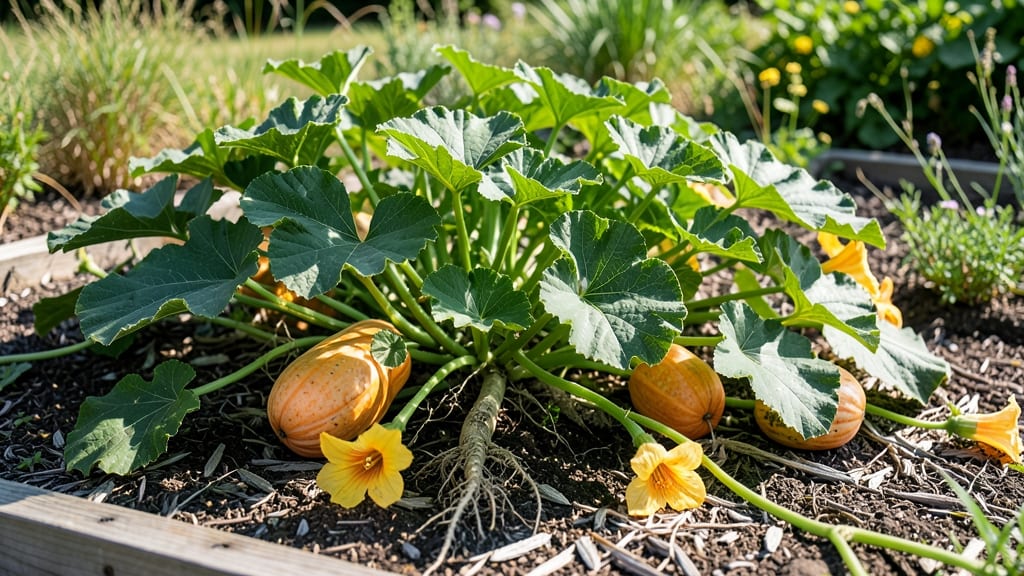
Determining whether butternut squash is a fruit or vegetable reveals a fascinating distinction: botanically, it's a fruit because it grows from a flower and contains seeds, but in culinary terms, it's treated as a vegetable due to its savory flavor and common use in savory dishes.
This distinction isn't unique to butternut squash—many other squash varieties, like zucchini and pumpkins, face the same classification challenge. 🌱 The key difference lies in how we use these foods: while botanists classify them as fruits based on their reproductive structures, chefs and nutritionists categorize them as vegetables because of their savory taste and cooking applications.
This dual classification creates an interesting crossover between science and culinary practice, where what something is biologically doesn't always match how we use it in the kitchen.
Understanding this dual nature helps explain why recipes often call for "squash" without specifying fruit or vegetable—it's all about the intended use. For example, when you're making a hearty autumn soup, you're working with a vegetable in culinary terms, even though botanically it's a fruit.
This dual classification isn't just academic; it affects how we store, prepare, and even think about these versatile ingredients in our meals.
💡 In This Article
- Botanical Classification of Butternut Squash
- Culinary Uses of Butternut Squash in Gardening and Cooking
Botanical classification of butternut squash
Butternut squash earns its botanical classification as a fruit because it develops from a flowering plant's ovary, just like apples or tomatoes. The defining feature is its seeds—when you slice open a butternut squash, you'll find flat, tan-colored seeds arranged in a central cavity, confirming its fruit status.
This seed-bearing characteristic aligns with the scientific definition of a fruit: a mature ovary containing seeds, regardless of taste or culinary use.
The squash belongs to the Cucurbita genus, which includes other edible fruits like pumpkins and acorn squash. These plants produce flowers that self-pollinate, and the fertilized ovary grows into the squash we harvest.
Interestingly, butternut squash's skin is a tough, inedible rind that protects the sweet, orange flesh inside—similar to how an apple's skin protects its fruit. The flesh itself is actually the pericarp (the plant's thickened wall surrounding the seeds), which is why it's so substantial and meaty.
Where things get confusing is in the world of vegetables. Botanically, vegetables are plant parts other than fruits—think stems (celery), roots (carrots), or leaves (spinach). Butternut squash doesn't fit this definition because it's a fruit by reproductive biology.
However, its savory flavor profile (low acidity, high sugar content) and starchy texture make it functionally identical to vegetables in cooking. This is why botanists and chefs often speak different "languages" about the same ingredient!
Consider this comparison: While botanists classify cucumbers as fruits (they have seeds and develop from flowers), most people treat them as vegetables in salads. The same logic applies to butternut squash—its sweet, nutty taste and versatile texture make it a kitchen staple for savory dishes, even though science says otherwise.
This disconnect highlights how classification systems can evolve separately in different fields.
The confusion extends to other squash varieties too. For example, zucchini is also botanically a fruit, yet it's universally used as a vegetable in cooking.
The key difference between butternut squash and zucchini lies in their maturity at harvest: zucchini is picked young and tender, while butternut squash is allowed to fully mature, developing its signature sweetness and thick skin. This maturity affects both classification and culinary potential.
What most people don't realize is that even within the fruit category, butternut squash behaves like a vegetable in nutritional terms. Its high carbohydrate content (about 20g per cup) and low protein/fat ratio align more with starchy vegetables than with typical fruits.
This is why nutritionists often group it with vegetables like potatoes and corn in dietary guidelines, despite its botanical origins.