
Size
The biggest fruit ever recorded is the jackfruit, with a single specimen weighing 110 pounds (50 kg) in Thailand. This massive tropical fruit holds the Guinness World Record for heaviest fruit, surpassing even giant pumpkins and watermelons in size and weight.
The jackfruit isn't just the largest fruit by weight—it's also one of the most complex, with a single fruit containing hundreds of seeds and a fibrous, sweet pulp that can be used like meat in vegan dishes. 🌿 This record-setter grows on the Artocarpus heterophyllus tree, native to South and Southeast Asia, where ideal tropical climates allow it to reach such extraordinary sizes.
Unlike other giant fruits like the durian or mangosteen, jackfruit's growth relies heavily on proper pollination and nutrient-rich soil, making its massive specimens a rare botanical marvel.
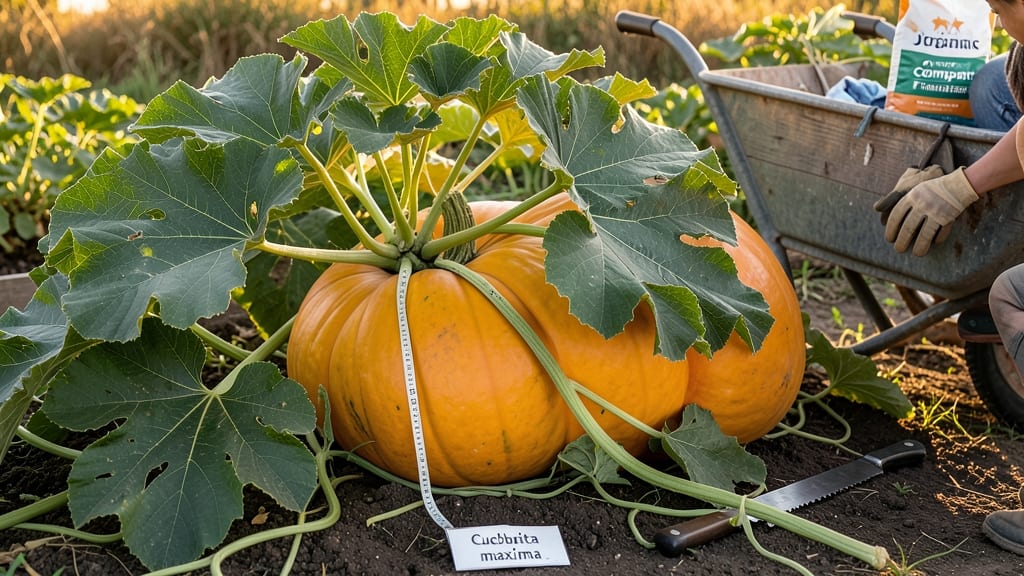
What makes this even more impressive is how the jackfruit's size compares to other giant produce. For context, the largest pumpkin ever recorded weighed 2,749 pounds (1,247 kg), but that's a vegetable, not a fruit.
When focusing solely on true fruits, the jackfruit's 110-pound (50 kg) record stands unmatched, making it a true giant in the plant kingdom.
💡 In This Article
- How Jackfruit Grows Into a Record-Breaking Giant
- Cultivating Giant Jackfruit: Tips for Gardeners
How jackfruit grows into a record-breaking giant
The jackfruit's record-breaking size begins with its tree's rapid growth habits. The Artocarpus heterophyllus can reach heights of 80-100 feet (24-30 meters) with trunks up to 4 feet (1.2 meters) in diameter, creating an enormous canopy that supports massive fruit production.
Unlike most fruit trees, jackfruit trees produce flowers that develop into both male and female inflorescences on the same plant—a process called monoecious flowering—which maximizes pollination efficiency and fruit development.
What truly sets jackfruit apart is its unique seed structure. A single jackfruit contains 100-350 large, hard seeds arranged in a honeycomb pattern within the fibrous pulp.
Each seed acts as a growth catalyst, stimulating the fruit's expansion through a process called auxin production, a plant hormone that promotes cell elongation.
The more seeds a fruit develops, the larger it grows—some giant specimens contain over 500 seeds, contributing to their 110-pound (50 kg) weight. 🌱 This seed-driven growth contrasts sharply with durians, which grow large but rely more on flesh density than seed quantity.
Environmental factors play a crucial role in jackfruit's size potential. Tropical climates with high humidity (70-90%), consistent rainfall (60-100 inches/year), and warm temperatures (75-85°F/24-29°C) create ideal conditions for rapid growth.
The soil must be well-drained yet rich in organic matter, as jackfruit trees are heavy feeders requiring nitrogen, phosphorus, and potassium. In Thailand—where the record-breaking specimen grew—these conditions are nearly perfect, allowing the tree to produce fruits that dwarf other tropical varieties.
Another fascinating aspect is the fruit's growth rate. Jackfruits typically take 3-6 months to reach maturity after flowering, during which they can gain 1-2 pounds (0.5-1 kg) per week under optimal conditions.
The fibrous outer rind, which can be 1-2 inches (2.5-5 cm) thick, provides structural support while the inner pulp expands. This rapid bulking contrasts with slower-growing fruits like mangosteens, which rarely exceed 4 pounds (1.8 kg) due to their dense, single-seeded structure.
While jackfruit holds the record for heaviest fruit, it's worth noting that some vegetables (botanically classified as fruits) surpass it in weight. The giant pumpkin record stands at 2,749 pounds (1,247 kg), but this is a cultivated vegetable with different growth mechanisms.
For true fruits, jackfruit's 110-pound (50 kg) record remains unmatched—a testament to nature's ability to create botanical marvels when given the right conditions. 🌴
What most people don't realize is how jackfruit's growth compares to its relatives. The breadfruit (another Artocarpus species) can reach similar sizes but typically weighs 20-50 pounds (9-23 kg).
This size difference highlights how specific growing conditions—particularly pollination success rates and nutrient availability—directly influence whether a jackfruit will become a record-breaker or remain average-sized.