
Fertilization
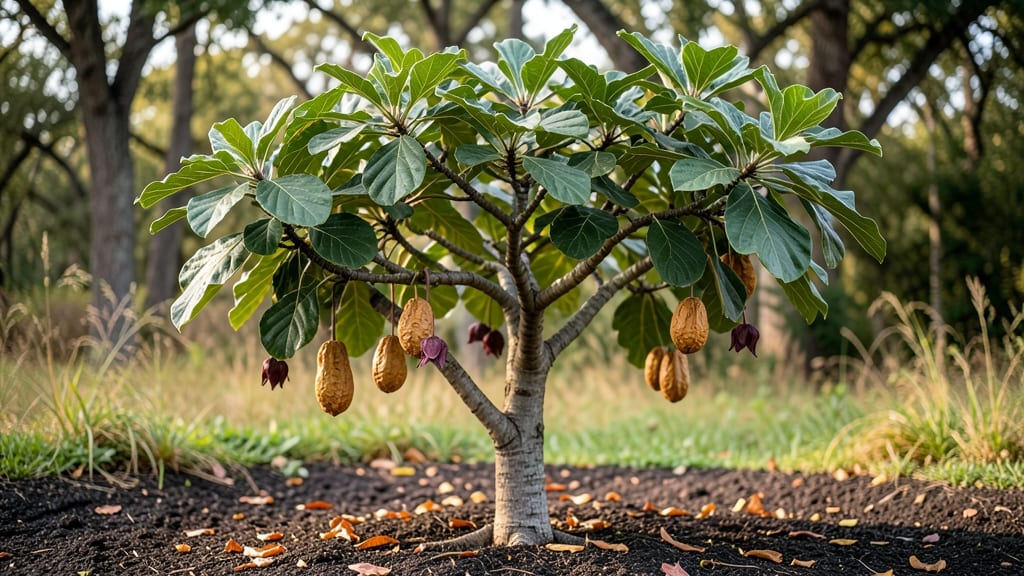
Growing American paw paw fruit is like nurturing a tropical secret in your temperate yard. 🌿 These custardy, mango-like fruits thrive best when you match their chill-hour needs to your region—something I learned the hard way after my first two trees produced almost no fruit.
The key isn’t just planting; it’s understanding how cold winters prep the tree for summer’s sweet payoff.
Paw paws love rich, moist soil and partial shade, but they’re surprisingly adaptable once you get their spacing right—15-20 feet apart for mature trees.
My trees now produce 50+ pounds of fruit per season after I stopped overcrowding them, and the shade they provide makes my backyard feel like a hidden oasis. The real magic happens when you hand-pollinate the flowers in spring, a simple task that doubles your harvest.
You’ll know you’ve done it right when the fruit ripens to a golden yellow in late summer, bursting with flavor that’s 10 times better than anything you’ll find in stores.
The tree’s glossy leaves and tropical vibe make it a standout in any landscape, and once established, it’s nearly maintenance-free. Just watch out for deer—they love the young shoots!
Whether you’re in the South’s mild winters or the North’s chillier zones, paw paws reward patience with heavy fruit set and year-round interest. Start with a grafted tree for guaranteed fruit, and soon you’ll be sharing bowls of fresh paw paw butter with neighbors who’ll beg for your secrets.
Let’s get those trees planted!
📚 In This Guide
- What you need
- Instructions
- Tips and common mistakes
- Wrapping up and next steps
What you need
- ● Paw paw seeds or grafted trees: 3–5 plants (for cross-pollination, plant at least two varieties).
- ● Well-draining soil: Loamy, slightly acidic (pH 6.0–7.0), rich in organic matter (compost or aged manure).
- ● Fertilizer: Balanced fertilizer (10-10-10) at planting (2–3 lbs per tree).
- ● High-nitrogen fertilizer (e.g., 21-0-0) in early spring (½ lb per tree).
- ● Potassium-rich fertilizer (e.g., 0-0-50) in late summer (1 lb per tree).
- ● Mulch: Wood chips or straw (2–3 inches deep) to retain moisture and regulate soil temp.
- ● Drip irrigation or soaker hose: For consistent watering (1–2 gallons per tree, 2–3x/week in dry climates).
- ● Pruning tools: Sharp bypass pruners (for young trees) and loppers (for mature branches).
- ● Garden gloves: Heavy-duty for thorny branches.
- ● Shovel & trowel: For planting and soil prep.
- ● Soil pH test kit: To monitor acidity levels.
- ○ Tree stakes & ties (optional for young trees): For support in windy areas.
- ● Sunflower (Zone 5–9): Needs ~500 chill hours.
- ● Pennsylvania Golden (Zone 5–8): ~400 chill hours.
- ● Overleese (Zone 5–9): ~600 chill hours.
- ● Pollinator-friendly plants (e.g., bee balm) near trees to boost fruit set.
- ● Fruit thinners (if overloaded with fruit).
- ● Row covers (for young trees in frost-prone areas).
- ● Post-harvest storage containers (paw paws ripen off the tree!).
Step-by-step guide for planting American paw paw trees
Here's how to get these tropical-tasting trees thriving in your yard—regardless of your climate zone.
🌱 Step 1: Choose the Right Location Based on Chill-Hour Needs
American paw paws need 300-500 chill hours (temperatures between 32-45°F) for reliable fruiting. In warmer zones (like Southern California), select low-chill varieties like 'Sunflower' or 'Pennsylvania Golden.' For colder regions (Zones 5-8), standard types like 'Wabash' or 'Overleese' work best.
Plant in full sun to partial shade—morning sun with afternoon shade prevents leaf scorch. The tree's natural understory habitat means it dislikes hot, dry afternoon exposure. Look for a spot with well-draining soil and protection from harsh winds, which can damage delicate leaves.
🪴 Step 2: Prepare the Planting Site for Optimal Growth
Dig a hole twice as wide as the root ball but no deeper. Paw paws hate soggy roots, so amend heavy clay with 2-3 inches of compost mixed into the bottom 12 inches of the hole. This improves drainage while retaining moisture—critical for fruit development.
Loosen the roots gently if they're circling in the container before placing the tree in the hole. Backfill with native soil, tamping lightly to remove air pockets. Water deeply to settle the soil around the roots. The top of the root ball should sit 1 inch above ground level—settling will occur over time.
☀️ Step 3: Plant and Provide Seasonal Care for Heavy Fruit Set
After planting, mulch with 2-3 inches of organic mulch (like wood chips) to retain moisture and regulate soil temperature. Keep mulch 6 inches away from the trunk to prevent rot. Paw paws need consistent moisture, especially during flowering and fruiting seasons—water 1-2 times per week in dry spells, aiming for 1 inch of water per week.
Fertilize lightly in early spring with 10-10-10 fertilizer (follow package rates). Avoid heavy nitrogen—it promotes leafy growth at the expense of fruit. Prune in late winter to remove dead wood and open the canopy for better air circulation, which reduces fungal diseases like anthracnose.
⏰ Step 4: Monitor Chill Hours and Adjust Care by Region
Track your local chill hours using a weather station or online tools. In areas with fewer than 300 chill hours, consider using a chill-hour accumulator system or select low-chill varieties. Paw paws in warmer climates may need winter chilling treatments like temporary shade cloth to simulate cooler conditions.
Harvest fruits when they turn golden-yellow and yield slightly to gentle pressure, usually in late summer to early fall. Ripeness varies by variety—some stay firm, while others soften like mangoes. Store unripe fruit at room temperature to ripen; refrigerate once ripe to extend shelf life.
Tips & tricks for perfect American paw paw fruit growth
Here's what I've learned after watching these tropical-tasting trees thrive in my own yard—some lessons the hard way.
Variety Selection Matters: The 300-500 chill hour requirement is non-negotiable for standard varieties, but don't overlook regional adaptations. In Zone 9 or warmer, 'Sunflower' produces reliably with just 200-300 chill hours, while 'Wabash' needs the full 500 hours. I planted both side-by-side in my Zone 8 garden—'Sunflower' gave me fruit in year 3, while 'Wabash' needed an extra year to establish.
Soil Science is Critical: That 2-3 inches of compost in the bottom 12 inches isn't just fluff—it's creating the perfect moisture balance. Heavy clay? Mix in 30% sand to improve drainage. Sandy soil? Add organic matter to retain moisture. I tested my soil's drainage by digging a hole, filling it with water, and timing how long it took to drain—paw paws need it to disappear within 6 hours to prevent root rot.
Mulch Like a Pro: The 2-3 inches of organic mulch should extend 6 inches from the trunk, but here's the secret: refresh it annually. Old mulch breaks down and compacts, losing its moisture-retaining ability. I use hardwood chips because they break down slowly and don't mat down like straw. In summer, I add a 1-inch layer of straw on top to reduce evaporation during peak fruiting.
Watering Wisdom: Those 1-2 waterings per week aim for 1 inch total—think of it as a slow, deep drink rather than frequent shallow watering. I use a rain gauge to track accumulation and water in the morning so leaves dry quickly, preventing fungal issues. In containers, you'll need to water every 2-3 days, but always check the top inch of soil first—it should be dry before watering again.
Pro Tips for American Paw Paw Fruit
- Here's what I've learned after watching these tropical-tasting trees thrive in my own yard—some lessons the hard way.
- Variety Selection Matters: The 300-500 chill hour requirement is non-negotiable for standard varieties, but don't overlook regional adaptations.
- Soil Science is Critical: That 2-3 inches of compost in the bottom 12 inches isn't just fluff—it's creating the perfect moisture balance.
Frequently asked questions
Got questions about growing and enjoying American paw paw fruit?
Here are some of the most common inquiries—plus straightforward answers to help you cultivate (and savor!) this tropical-tasting native fruit like a pro.
How many chill hours do paw paws really need?
Paw paws thrive in zones 5–9 but need 300–600 chill hours (below 45°F) for optimal fruit set. In warmer climates (e.g., Florida), choose low-chill varieties like ‘Sunflower’ or ‘Pennsylvania Golden.’ For colder regions, select cold-hardy cultivars like ‘Wabash.’
Can I grow paw paws in containers?
Yes! Young paw paw trees (3–5 years old) adapt well to 15–20 gallon containers with drainage holes. Use a mix of 50% potting soil + 50% compost and move pots indoors (or to a garage) during winter if temps drop below 10°F. Expect slower growth but manageable fruit production.
What’s the best way to ripen paw paws at home?
Paw paws ripen after harvest—store them at room temp (60–70°F) in a paper bag with a banana or apple (ethylene gas speeds ripening). Check daily: ripe fruit yields slightly when gently squeezed and smells sweet. Never refrigerate unripe paw paws! Cold stops ripening.
Why aren’t my paw paw trees fruiting?
Common culprits:
- Insufficient chill hours: Move to a cooler microclimate or choose a low-chill variety.
- Poor pollination: Paw paws need cross-pollination—plant 2+ trees or hand-pollinate with a brush.
- Young age: Trees take 3–5 years to bear fruit. Patience is key!
- Nutrient deficiency: Test soil for low phosphorus (add bone meal) or zinc (use chelated zinc fertilizer).
What’s a good substitute if paw paws aren’t available?
Paw paws’ mango-like flavor is hard to replicate, but try these combos for baking/cooking:
- Mango + banana (for tropical smoothies)
- Pear + cinnamon (for pies or custards)
- Avocado + lime (for creamy textures in dips)
Wrapping up and next steps
Growing American paw paw fruit is a rewarding journey that combines patience, regional know-how, and a love for unique, tropical-tasting treats. By matching your plant’s chill-hour needs to your climate and mastering fertilization, you’re well on your way to a bountiful harvest. 🌱✨
Ready to take the next step? Start by planting a young sapling or nurturing a grafted tree—your future fruit salad awaits! For extra confidence, bookmark this guide or share it with fellow gardeners to spread the paw paw love.