
Succulent
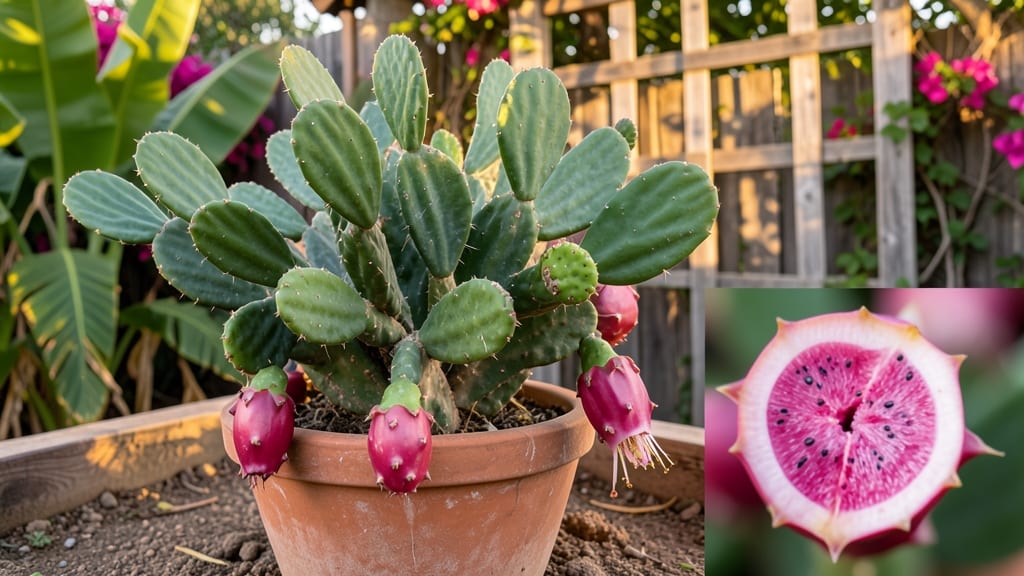
Growing American Beauty dragon fruit indoors means waking up to vibrant pink blooms that smell like tropical evenings. 🌸 I’ve grown this variety for three seasons, and the key isn’t just patience—it’s recreating the vine’s natural jungle conditions in your home.
Most people quit after six months when the first flowers appear, but the fruit takes 12-18 months to ripen, and that’s when the magic happens.
The secret starts with bright indirect light near a south-facing window and a well-draining cactus mix that mimics its desert roots. You’ll need a sturdy trellis or fence for the vines to climb—without support, they sprawl into unruly tangles.
Water only when the top 2 inches of soil feel dry, and never let it sit in saucers, or you’ll lose the plant to rot faster than you can say "overwatered."
By year two, you’ll be rewarded with gourmet-sized fruit that bursts with kiwi-mango flavor, and the experience of growing something so exotic indoors is its own kind of harvest.
The vines are surprisingly hardy once established—just watch for pests like spider mites and adjust humidity in winter when indoor air gets dry.
Whether you’re in a sunny apartment or a greenhouse, this guide covers the exact steps to turn your vine into a fruit-producing powerhouse. The first blooms might take a year, but that’s when the real journey begins—and trust me, the wait is worth every pink, scaly reward.
📚 In This Guide
- What you need
- Instructions
- Tips and common mistakes
- Wrapping up and next steps
What you need
- ● Dragon Fruit Plant (Hylocereus undatus or Hylocereus costaricensis) – A healthy, mature cutting or seedling (ensure it’s labeled as "American Beauty" for the iconic pink fruit!)
- ● Growing Containers – 3–5 gallon pots with drainage holes (terracotta or fabric pots work best).
- ● Well-Draining Soil Mix – A blend of cactus/succulent soil (60%), perlite or pumice (20%), and coarse sand or orchid bark (20%).
- ● Support Structure – A trellis, bamboo stake, or sturdy wire cage (4–6 feet tall) for vining.
- ● Slow-Release Fertilizer – Balanced 10-10-10 or succulent-specific fertilizer (apply sparingly, 2–3 times per year).
- ● Watering Can with Rose Nozzle – For gentle, deep watering (avoid soggy soil!).
- ● Pruning Shears – Sharp, sterilized shears for trimming excess growth.
- ● Grow Lights – LED full-spectrum bulbs (12–14 hours/day) if natural light is limited.
- ● Humidity Tray – A pebble tray with water to boost humidity in dry climates.
- ● pH Test Kit – To monitor soil pH (ideal range: 6.0–6.5).
- ○ Mulch (Optional) – Orchid bark or gravel to retain moisture and deter pests.
- ● Pollination Aid – A small paintbrush or cotton swab (if hand-pollinating flowers).
Step-by-step instructions for growing American Beauty dragon fruit indoors
Here's how I've successfully grown vibrant pink dragon fruit at home—no greenhouse needed.
🌱 Step 1: Start With a Healthy Cuttings or Seedling
American Beauty dragon fruit thrives from cuttings rather than seeds. Look for a 6-12 inch vine cutting with at least 3-4 nodes (those little bumps where leaves grow). I always choose cuttings from mature, healthy vines—weak stems rarely root successfully. Soak the cutting in lukewarm water for 24 hours before planting to encourage root growth.
If you're starting from seed (which takes much longer), expect 3-6 months just to get a small plant. The seeds need warmth (75-85°F) and bright, indirect light to germinate. I've found that placing the seed tray on a seedling heat mat speeds things up dramatically—roots appear within 2-3 weeks under these conditions.
🪴 Step 2: Plant in Well-Draining Soil Mix
Use a lightweight potting mix designed for cacti or succulents—regular garden soil will suffocate the roots. I blend 50% cactus mix with 50% perlite to ensure excellent drainage. American Beauty dragon fruit hates soggy roots, so no compost or peat-heavy mixes. Fill a 10-12 inch pot with your mix, leaving 1-2 inches of space at the top.
Plant your cutting or seedling so that only the bottom 2 nodes are buried—these will develop into roots. Gently pat the soil around the stem to secure it without compacting. The first few days after planting are critical: water lightly just enough to moisten the soil, then wait until the top inch feels dry before watering again. Overwatering at this stage causes rot.
☀️ Step 3: Provide Bright, Indirect Light Daily
Dragon fruit needs 6-8 hours of bright light daily, but direct midday sun can scorch the leaves. I place my vine near a south-facing window with sheer curtains to diffuse harsh rays. If your home has low light, supplement with a grow light kept 6-12 inches away from the plant for 14-16 hours per day.
Watch for these signs: Deep green leaves mean light is perfect. Pale, stretched leaves mean it needs more light. Brown patches mean too much direct sun. Rotate the pot quarter-turn weekly so the vine grows evenly toward the light. This prevents the vine from growing lopsided and weak.
💧 Step 4: Water and Fertilize for Healthy Growth
Water when the top 2 inches of soil feel dry—stick your finger in to check. Dragon fruit stores water in its thick stems, so underwatering is better than overwatering. When you do water, soak the soil thoroughly until water runs out the drainage hole. Empty the saucer afterward to prevent root rot.
Feed your vine every 4-6 weeks during spring and summer with a balanced, water-soluble fertilizer (10-10-10 works well). I halve the recommended dose—too much fertilizer burns the roots. In fall and winter, cut back to once every 8-10 weeks since growth slows. Yellow leaves often signal over-fertilizing or overwatering.
✂️ Step 5: Train and Prune for Fruit Production
Dragon fruit flowers appear on new growth, so prune only to shape the vine—not to control size. I trim back leggy growth to encourage bushier, fruit-bearing branches. Use clean, sharp scissors to cut just above a leaf node at a 45-degree angle. This prevents disease and promotes faster healing.
When the vine reaches the ceiling or trellis, tie it gently with soft plant ties. The weight of the fruit can break weak stems. Once flowers appear (usually 2-3 years after planting), hand-pollinate them with a small brush to encourage fruit set. The vibrant pink fruit will take 30-45 days to ripen fully on the vine.
Tips & tricks for growing American Beauty dragon fruit indoors
Here's what nobody tells you about growing vibrant pink dragon fruit at home—these tricks make all the difference between a struggling vine and a thriving plant.
Rooting Secret: When soaking your 6-12 inch cutting for the required 24 hours, change the lukewarm water halfway through. This prevents bacterial growth in the stagnant water, giving your cutting the best possible start. I've found that using a small glass jar with just enough water to cover the bottom nodes works perfectly—no need for fancy equipment.
Soil Mix Upgrade: While the 50/50 cactus mix and perlite blend works well, I add a handful of orchid bark to my mix for extra air circulation around the roots. This helps prevent that dreaded rot, especially during the critical first few days after planting. The bark breaks down slowly, providing long-term drainage benefits.
Light Positioning: For that perfect 6-8 hours of bright light, position your pot so the vine grows toward the window rather than away from it. Dragon fruit vines naturally grow toward light sources, so rotating weekly helps create balanced growth. If you notice one side getting leggy, move the pot immediately—it's telling you it needs more light on that side.
Fertilizer Timing: When feeding your vine every 4-6 weeks, I mix the diluted fertilizer with water in a spray bottle and mist the soil surface rather than pouring it directly. This prevents fertilizer burn while still delivering nutrients to the roots. In winter, I switch to a low-nitrogen fertilizer (like 5-10-5) to support the plant's reduced growth cycle.
Pro Tips for American Beauty Dragon Fruit
- Here's what nobody tells you about growing vibrant pink dragon fruit at home—these tricks make all the difference between a struggling vine and a thriving plant.
- Rooting Secret: When soaking your 6-12 inch cutting for the required 24 hours, change the lukewarm water halfway through.
- Soil Mix Upgrade: While the 50/50 cactus mix and perlite blend works well, I add a handful of orchid bark to my mix for extra air circulation around the roots.
Frequently asked questions
Got questions about growing American Beauty Dragon Fruit? You’re not alone—this vibrant plant is stunning but comes with a few quirks! Here are answers to the most common queries to help you succeed.
How long does it take for American Beauty Dragon Fruit to bear fruit?
Patience is key! With proper care, your Hylocereus vine may produce its first blooms in 18–24 months, but full fruit production can take 2–3 years. Factors like light, humidity, and pollination (often by hand) speed up the process. Pro tip: Use a small paintbrush to transfer pollen between flowers for better success!
Can American Beauty Dragon Fruit survive winter indoors?
Yes! This tropical vine thrives indoors year-round but needs consistent warmth (65–85°F). Avoid drafts, and reduce watering in winter when growth slows. If your home gets chilly, a grow light or sunny windowsill keeps it happy. Watch out: Below 50°F can cause root rot or dormancy.
What’s the difference between American Beauty and other dragon fruit varieties?
The American Beauty (or Hylocereus undatus) stands out with its pink skin and white flesh speckled with black seeds. Other varieties like Hylocereus costaricensis (yellow skin, red flesh) or Selenicereus (red skin, white flesh) offer different flavors and colors. All are edible but may vary in sweetness and texture!
Why aren’t my dragon fruit flowers opening?
No blooms? Check these fixes:
- Light: Needs 6+ hours of bright, indirect light daily (south-facing window or grow lights).
- Age: Vines under 1 year old rarely flower—be patient!
- Pollination: Hand-pollinate with a brush if flowers appear but don’t set fruit.
- Stress: Overwatering or temperature swings can delay blooming.
How do I know when American Beauty Dragon Fruit is ripe?
Look for these signs:
- Skin color: Deep, vibrant pink (not green or dull).
- Texture: Slightly soft when gently squeezed (like a ripe avocado).
- Smell: Sweet, tropical aroma near the stem.
Wrapping up and next steps
Growing your own American Beauty dragon fruit is a rewarding journey that brings vibrant color and exotic flavor right to your home! With the right setup—whether in pots or a trellis—you’ll enjoy a thriving vine and delicious, pink-fleshed fruit in just a few years. 🌱✨
Ready to take the next step? Start by planting your seeds or cuttings today and watch your indoor garden transform. Share your progress with fellow plant enthusiasts or even gift a cutting to a friend—because nothing beats the joy of growing something truly unique!