
Flowers
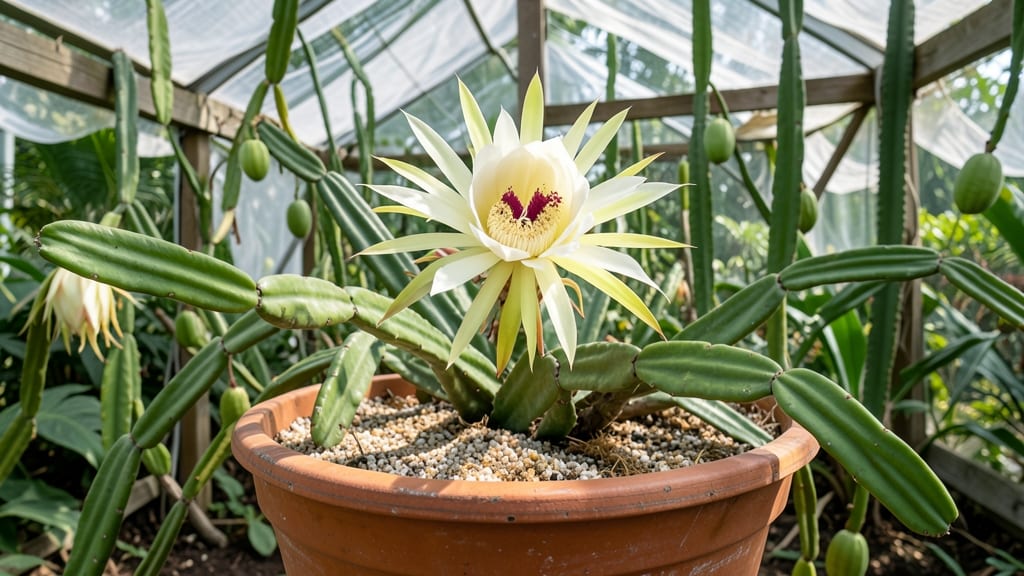
The yellow dragon fruit flower is the first sign your plant is ready to reward you with exotic fruit. 🌸 I've grown these vibrant blooms for years, and they're not just beautiful—they're a hummingbird magnet that makes your garden feel alive.
These flowers thrive in warm climates with bright light, but they need a few key conditions to bloom reliably. Plant in well-draining soil, keep temperatures above 60°F, and watch for those striking yellow blossoms that appear in late spring or summer. The secret to fruit production?
Hand-pollination or attracting pollinators to visit regularly.
Once you see those flowers, you're just weeks away from harvesting dragon fruit. The blooms last only one night, so timing is everything. With proper care, you'll go from first flower to ripe fruit in about 3-4 months, and the sweet, kiwi-like taste makes every effort worth it.
📚 In This Guide
- What you need
- Instructions
- Tips and common mistakes
- Wrapping up and next steps
What you need
- ● Yellow dragon fruit seeds or cuttings: 1-2 healthy seeds (or a single cutting from a mature plant). Opt for organic or disease-free sources for best results.
- ● Well-draining potting mix: 5-10 gallons. Use a blend of cactus/succulent soil (60%) + perlite or pumice (30%) + compost (10%) to mimic their native habitat.
- ● Pot or container: 1 large pot (12"+ diameter) with drainage holes. Terracotta or fabric pots work best to prevent root rot.
- ● Drainage tray: 1 (to catch excess water and protect surfaces).
- ● Fertilizer: Balanced liquid fertilizer (10-10-10): 1 bottle (for early growth).
- ● Low-nitrogen, high-phosphorus fertilizer (5-10-10): 1 bottle (once flowering begins).
- ● Pruning shears: 1 pair (sterilized with rubbing alcohol).
- ○ Gloves: 1 pair (optional but recommended—dragon fruit spines can be prickly!).
- ● Hummingbird-friendly plants: 1-2 companion plants (e.g., salvia or fuchsia) to attract pollinators.
- ● Trellis or support: 1 lightweight trellis (for climbing varieties, though yellow dragon fruit is typically bushy).
- ● Slow-release fertilizer pellets: 1 bag (to reduce frequent feeding).
- ● Soil moisture meter: 1 (to avoid over/under-watering).
- ● Mulch (gravel or bark): 1 bag (to retain moisture and deter weeds).
Step-by-step guide to cultivating vibrant yellow dragon fruit flowers
Here’s how to coax those stunning yellow blooms that hummingbirds adore—with simple, foolproof steps.
🌱 Step 1: Select and Prepare a Healthy Dragon Fruit Plant
Start with a mature dragon fruit plant (Hylocereus spp.) that’s at least 2-3 years old, as younger plants rarely bloom. Look for a specimen with thick, healthy paddles and no signs of rot or pests. I always check for multiple aerial roots—these indicate a strong, established plant ready to flower.
If you’re growing from cuttings, let them root in sandy, well-draining soil for 4-6 weeks before transplanting. Place the cutting in a shady spot for the first week to reduce stress. Once rooted, move it to bright, indirect light to encourage growth.
☀️ Step 2: Provide the Ideal Growing Conditions
Dragon fruit plants thrive in full sun (6-8 hours daily) but tolerate partial shade in hot climates. I position mine in a south-facing spot where they get morning sun and afternoon shade—this prevents leaf scorch while still promoting flowering. In containers, ensure pots have drainage holes to prevent root rot.
Maintain consistent moisture—water when the top 2 inches of soil feel dry. Overwatering is the #1 killer of dragon fruit plants, so I always check soil moisture before watering. Fertilize lightly with a balanced 10-10-10 formula every 2 months during growing season to support bloom development.
💧 Step 3: Encourage Flowering with Temperature and Light Triggers
Dragon fruit flowers bloom in response to temperature shifts—they need cool nights (55-65°F) followed by warm days (75-85°F). If your climate doesn’t naturally provide this, mimic it by moving potted plants to a cooler spot at night and back to full sun in the morning.
Prune dead or weak paddles in early spring to redirect energy toward flowering. I also remove any suckers (offshoots) that form at the base—these drain resources from the main plant. Once you see buds forming, reduce fertilization to half-strength to avoid leafy growth at the expense of blooms.
🌿 Step 4: Protect and Support Emerging Blooms
Dragon fruit flowers are heavy and delicate—they often need support to prevent breakage. I tie each 3-4 inch bud to a small stake with soft plant ties as soon as it appears. This keeps the stem from snapping under the weight of the bloom.
Watch for hummingbirds—they’re essential pollinators! If you don’t see them, hand-pollinate by gently brushing the stamens with a small brush. Flowers open at dusk and close by mid-morning, so act quickly. Water lightly at the base once blooms appear to keep the plant hydrated without disturbing the flowers.
⏰ Step 5: Maintain for Repeat Blooming
After the first flush of flowers, prune spent blooms to encourage more production. I also rotate the plant every few weeks so all sides get equal light—this prevents lopsided growth and ensures even flowering. In colder climates, bring potted plants indoors before temperatures drop below 40°F to protect them.
With consistent care, a healthy dragon fruit plant can produce 2-3 blooming cycles per year. I’ve seen mine keep flowering for months if I maintain the right balance of light, water, and support. The key is patience—it can take 6-12 months for a new plant to bloom, but the hummingbirds will thank you!
Tips & Tricks for cultivating stunning dragon fruit blooms
Here's what I learned after years of growing these gorgeous flowers that make hummingbirds do backflips.
Plant Maturity Matters: That 2-3 year age requirement isn't arbitrary—younger plants focus all their energy on growth, not flowering. I once tried with a 1-year-old and got exactly zero blooms. Look for plants with those thick, ribbed paddles and multiple aerial roots—those are your telltale signs of a plant ready to flower.
Light Strategy: The 6-8 hours of full sun is non-negotiable, but timing matters just as much. Position your plant to get morning sun and afternoon shade—this prevents leaf scorch while still giving it the energy boost it needs for flowering. In containers, make sure those drainage holes are working properly; I've seen root rot kill perfectly healthy plants overnight.
Temperature Tricks: Those 55-65°F cool nights and 75-85°F warm days create the perfect flowering trigger. If your climate doesn't provide this naturally, I've had success moving potted plants to a garage at night and back to full sun in the morning. The contrast is what signals the plant to bloom.
Support System: Don't underestimate how heavy those 3-4 inch buds can get. I've seen stems snap under the weight before the flowers even opened. Use soft plant ties and small stakes to support each bud as soon as you see it forming. This simple step can mean the difference between beautiful blooms and broken stems.
Pro Tips for Yellow Dragon Fruit Flower
- Here's what I learned after years of growing these gorgeous flowers that make hummingbirds do backflips.
- Plant Maturity Matters: That 2-3 year age requirement isn't arbitrary—younger plants focus all their energy on growth, not flowering.
- Light Strategy: The 6-8 hours of full sun is non-negotiable, but timing matters just as much.
Frequently asked questions
Got questions about the stunning yellow dragon fruit flower? You’re not alone! Here are some of the most common inquiries—plus quick, practical answers to help you grow, enjoy, and troubleshoot these eye-catching blooms.
How long does a yellow dragon fruit flower last before blooming?
A yellow dragon fruit flower (from the Hylocereus genus) typically blooms one night only, opening around dusk and lasting until dawn. The next day, it wilts—but don’t worry! A healthy plant will produce new flowers every 2–3 days during its blooming season (spring to summer).
Do yellow dragon fruit flowers really attract hummingbirds?
Absolutely!
The vibrant yellow hue and sweet fragrance are a hummingbird magnet. These flowers produce nectar at night (when the bloom is open) and again in the morning, making them a double-attraction for pollinators. Plant them near windows or patios to enjoy the show!
Can I grow yellow dragon fruit flowers indoors?
While possible, it’s challenging indoors due to their need for bright light (6+ hours of direct sunlight daily) and warm temperatures (70–90°F). If you try it, use a south-facing window or grow lights, and keep humidity high. Outdoors in USDA Zones 10–11 (or as a houseplant in cooler climates) works best.
Why isn’t my yellow dragon fruit plant flowering?
Common reasons include:
- Lack of sunlight: Needs full sun (6+ hours/day)—move it to a sunnier spot.
- Young age: Plants often take 1–3 years to bloom.
- Overwatering: Let soil dry completely between waterings.
- Nutrient deficiency: Feed with a balanced fertilizer (like 10-10-10) during growing season.
Are there alternative flowers with similar colors or benefits?
If you love the yellow hue but want variety, try:
- Yellow hibiscus (Hibiscus rosa-sinensis) – Bold blooms, attracts butterflies.
- Golden barrel cactus (Echinocactus grusonii) – Drought-tolerant, pollinator-friendly.
- Yellow trumpet vine (Tecoma stans) – Fast-growing, hummingbird favorite.
- Evening primrose (Oenothera) – Night-blooming, fragrant.
Wrapping up and next steps
The yellow dragon fruit flower isn’t just a stunning sight—it’s a magnet for pollinators like hummingbirds and a symbol of tropical beauty in any garden. 🌺 With its vibrant blooms and low-maintenance care, it’s a dream for both novice and experienced gardeners alike.
Whether you’re drawn to its striking appearance or its ecological benefits, this flower is a fantastic addition to your outdoor space.
Ready to bring a splash of color to your garden? Start by gathering your supplies and follow the steps outlined above—your future hummingbird visitors will thank you! 🐦⬛