
Plants
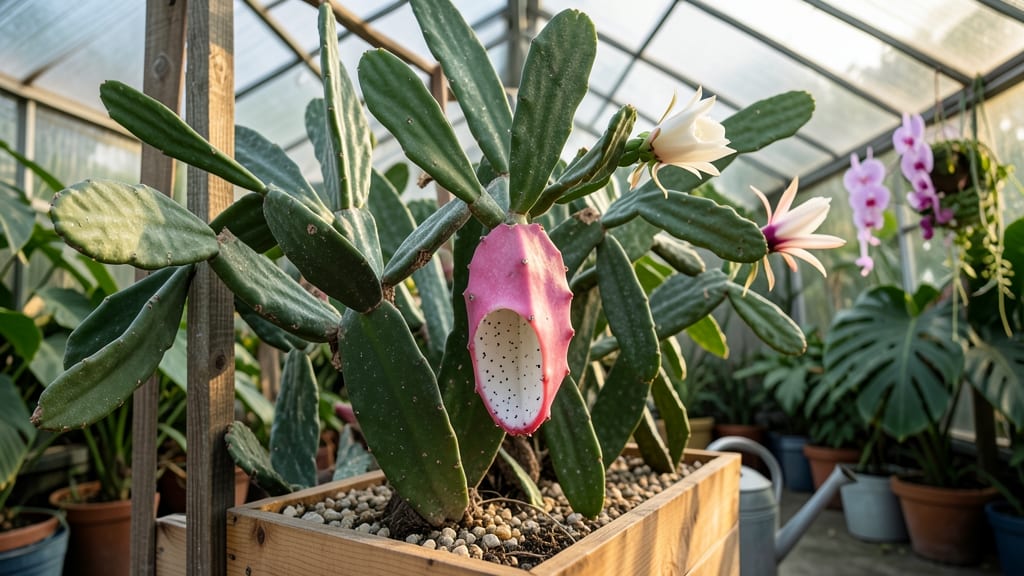
Growing white-fleshed dragon fruit means waking up to those vibrant pink blooms that smell like sweet jasmine—proof your plant is ready for harvest. 🌺 I’ve turned my balcony into a mini jungle with these tropical cacti, and the secret isn’t complicated: they thrive where most plants fail—hot, dry, and sunny.
The key is mimicking their natural desert home while giving them just enough water to keep roots happy (not soggy). Start with cuttings from a healthy plant—seeds take years to fruit—then plant in well-draining soil with a trellis for support.
Within 6-12 months, you’ll see those iconic night-blooming flowers, and with a little help from a paintbrush or moths, you’ll get fruit by next summer. The white flesh inside? Creamy, sweet, and worth every minute of patience.
📚 In This Guide
- What you need
- Instructions
- Tips and common mistakes
- Wrapping up and next steps
What you need
- ● Dragon fruit seeds – 10–20 seeds (or 1–2 mature plants if starting from cuttings). Choose white-fleshed varieties like 'White Baby' or 'White Queen'.
- ● Potting mix – 5–10 gallons of well-draining, cactus/succulent blend (or DIY: 50% potting soil + 50% perlite/pumice). Avoid heavy, water-retentive soil!
- ● Containers – 5–7 gallon pots with drainage holes (or a raised bed if planting outdoors in warm climates).
- ● Slow-release fertilizer – 1–2 cups of balanced 10-10-10 or organic compost (like worm castings).
- ● Support structure – A trellis, bamboo stake, or wire cage (3–5 feet tall) for climbing vines.
- ● Pruning shears – For trimming vines and shaping the plant.
- ○ Gloves – Optional but helpful for handling prickly stems.
- ● pH test kit – To ensure soil pH is 6.0–7.0 (dragon fruit prefers slightly acidic to neutral).
- ● Misting bottle – For humidity control (especially in dry climates).
- ● Sunlight access – A bright, indirect light spot (6+ hours of sunlight daily if indoors; full sun outdoors).
- ● Patience! – Dragon fruit takes 2–3 years to flower and fruit.
- ● Grow lights – For supplemental lighting in low-light areas.
- ● Epsom salt – A tablespoon monthly can boost magnesium for vibrant blooms.
- ● Pollination aid – A small paintbrush to hand-pollinate flowers if no hummingbirds/bees visit.
- ● Mulch – Straw or bark chips to retain moisture and regulate soil temp.
Step-by-Step instructions for growing white-fleshed dragon fruit
Here's how to coax those stunning pink blooms and sweet harvests from your dragon fruit plant.
🌱 Step 1: Start With Healthy Cuttings or Seeds
Dragon fruit thrives from cuttings, so ask a fellow grower for a 4-inch stem cutting with at least 2-3 nodes (those little bumps where leaves grow). Dip the cut end in rooting hormone powder—this triples your success rate. Place the cutting in a 4-inch pot filled with cactus/succulent mix, leaving just the top node exposed above soil.
Keep the pot in bright, indirect light (no direct sun yet) and maintain soil moisture by watering when the top inch feels dry. You'll see roots forming in 4-6 weeks—gently tug the stem to check for resistance. Real talk: If the cutting wilts after a week, it's not viable. Start fresh with a new cutting.
☀️ Step 2: Provide the Right Light and Temperature
Once rooted, move your dragon fruit plant to a south-facing window or under grow lights for 12-14 hours daily. These plants crave warmth—keep temperatures between 65-90°F. If your home runs cooler, a heat mat under the pot helps roots stay active.
Watch for leggy growth (stems stretching toward light with sparse leaves). This means your plant needs more light. Rotate the pot quarter-turn weekly so it grows straight, not lopsided. You'll know it's happy when new leaves emerge dark green and glossy with thick, fleshy texture.
💧 Step 3: Master Watering and Fertilizing
Dragon fruit plants hate soggy roots—water only when the top 2 inches of soil feel completely dry. Stick your finger in the soil; if it's damp below the first inch, wait another day. Overwatering causes root rot, which kills the plant silently. I use a self-watering pot to avoid this common mistake.
Feed your plant balanced liquid fertilizer (10-10-10) every 2 weeks in spring/summer, then reduce to monthly in fall/winter. You'll notice vibrant pink blooms in 12-18 months—this is your reward for patience. If flowers appear but drop quickly, your plant needs more sunlight or warmer temperatures.
🌿 Step 4: Support Vining Growth and Pollinate Blooms
Dragon fruit vines grow 10-20 feet long—train them along a trellis or fence using soft plant ties. Never let them sprawl; tangled vines stress the plant and reduce fruit production. Prune leggy stems back to a leaf node to encourage bushier growth.
When those stunning pink blooms appear, hand-pollinate them for fruit. Use a soft paintbrush to transfer pollen from one flower to another in the morning when blooms are fresh. You'll see fruit develop in 3-4 months—harvest when the skin turns deep pink and the fruit feels slightly soft when gently squeezed.
⏰ Step 5: Harvest and Prepare for Next Season
Cut fruit from the vine with clean pruners, leaving a ¼-inch stem. Dragon fruit doesn't ripen further after picking—eat it within 2 days for peak sweetness. Store unripe fruit in the fridge to slow sugar breakdown.
After harvest, trim back dead or weak vines to encourage new growth. In winter, reduce watering to every 3-4 weeks and stop fertilizing. Your plant will go semi-dormant but stay alive—just like a well-rested gardener. With care, it'll bloom again next season.
Tips & tricks for growing white-fleshed dragon fruit
Common pitfalls—and how to sidestep every one when growing these exotic beauties.
Rooting Hormone Hack: If you can't find rooting hormone powder, crush a low-dose aspirin tablet (81mg) and mix it with a little water to create a paste. This mimics the hormone's effect and still triples your success rate with those 4-inch cuttings. Just dip the cut end like the instructions say, and you'll see roots forming in that same 4-6 week window.
Lighting Troubleshooting: Leggy growth in Step 2? That's your plant begging for more light. If you don't have a south-facing window, try placing your plant 12-18 inches from a bright LED grow light for those required 12-14 hours daily. I've used a simple 6500K daylight bulb on a timer with great results—just rotate the pot weekly to prevent lopsided growth.
Watering Wisdom: The top 2 inches dry rule in Step 3 is non-negotiable, but here's the secret: use a moisture meter to check deeper. If moisture shows up below the first inch, wait another day. I've lost count of how many dragon fruit plants I've killed by overwatering—this simple tool saves them every time.
Pollination Pro Tip: When those pink blooms appear, don't just pollinate once! Dragon fruit flowers open at night and close by morning, so repeat the paintbrush transfer twice daily for maximum fruit set. I've found morning and late afternoon work best—just be gentle with those delicate petals to avoid damaging the reproductive parts.
Pro Tips for White Fleshed Dragon Fruit
- Common pitfalls—and how to sidestep every one when growing these exotic beauties.
- Rooting Hormone Hack: If you can't find rooting hormone powder, crush a low-dose aspirin tablet (81mg) and mix it with a little water to create a paste.
- Lighting Troubleshooting: Leggy growth in Step 2?
Frequently asked questions
Got questions about growing or enjoying white-fleshed dragon fruit? We’ve got answers!
Here are some of the most common queries—from planting to harvest—so you can cultivate this stunning (and delicious) tropical beauty with confidence.
1. How long does it take for a white-fleshed dragon fruit to bear fruit after planting?
Patience is key! White-fleshed dragon fruit (like the Hylocereus undatus variety) typically takes 18–36 months to produce its first fruits after planting. Factors like climate, sunlight, and care quality can speed this up. If your plant is healthy but not flowering, check for adequate nighttime temperatures (60–70°F) and proper pollination—hand-pollination with a small brush can help!
2. What’s the difference between white-fleshed and red-fleshed dragon fruit?
Beyond the obvious color, white-fleshed dragon fruit (e.g., Hylocereus undatus) is milder and sweeter with a texture closer to kiwi, while red-fleshed varieties (like Hylocereus costaricensis) are tart and crunchier. White-fleshed types also have pink or magenta flowers that bloom at night—stunning in gardens! Nutritionally, they’re nearly identical, packed with fiber, vitamin C, and antioxidants.
3. Why aren’t my dragon fruit flowers opening, even though the plant looks healthy?
Dragon fruit flowers need specific triggers to bloom:
- Nighttime temperatures: Ideal range is 60–70°F—cooler nights (but not frost!) encourage blooming.
- Sunlight: At least 6–8 hours of direct sun daily (partial shade in extreme heat).
- Watering: Reduce water slightly before flowering to stress the plant gently (but don’t overdo it!).
- Age/maturity: Plants under 3 years old may not bloom yet—be patient!
If flowers still refuse to open, check for pests (like spider mites) or over-fertilizing, which can stress the plant.
4. Can I eat white-fleshed dragon fruit if the skin is slightly soft or wrinkled?
Yes! Unlike some fruits, dragon fruit’s skin softness doesn’t indicate spoilage—it’s normal as the fruit ripens. Look for these cues instead:
- Color: Deep pink/magenta skin (white flesh inside).
- Smell: Mildly sweet, no sour or fermented odor.
- Texture: Skin should give slightly when gently pressed (like a ripe avocado).
Store unripe fruit at room temperature to ripen; once ripe, refrigerate for up to 2 weeks. Overripe fruit may get mushy—cut it open and enjoy it quickly!
5. How do I protect my dragon fruit plant from cold weather?
Dragon fruit is tropical and can’t tolerate frost (below 32°F kills it). For temps 40–50°F, try these tricks:
- Move indoors: Place the potted plant near a sunny window or under grow lights.
- Insulate the pot: Wrap the container in bubble wrap or a frost cloth.
- Mulch the base: Use straw or leaves to protect roots from temperature swings.
- Avoid watering: Wet soil freezes easier—let it dry slightly before cold snaps.
If temps drop below 40°F, consider overwintering the plant indoors until spring. With care, it’ll bounce back!
Wrapping up and next steps
Growing white-fleshed dragon fruit is a rewarding journey that blends beauty with delicious harvests! 🌱 From selecting the right materials to nurturing your plant through vibrant blooms, every step unlocks the magic of this exotic fruit. With patience and care, you’ll soon enjoy sweet, creamy rewards straight from your garden.
Ready to dive in? Start with a healthy cutting or seed and watch your dragon fruit thrive—your future harvests await! 🌟 Refresh your materials list or explore common troubleshooting tips to set yourself up for success.