
Size
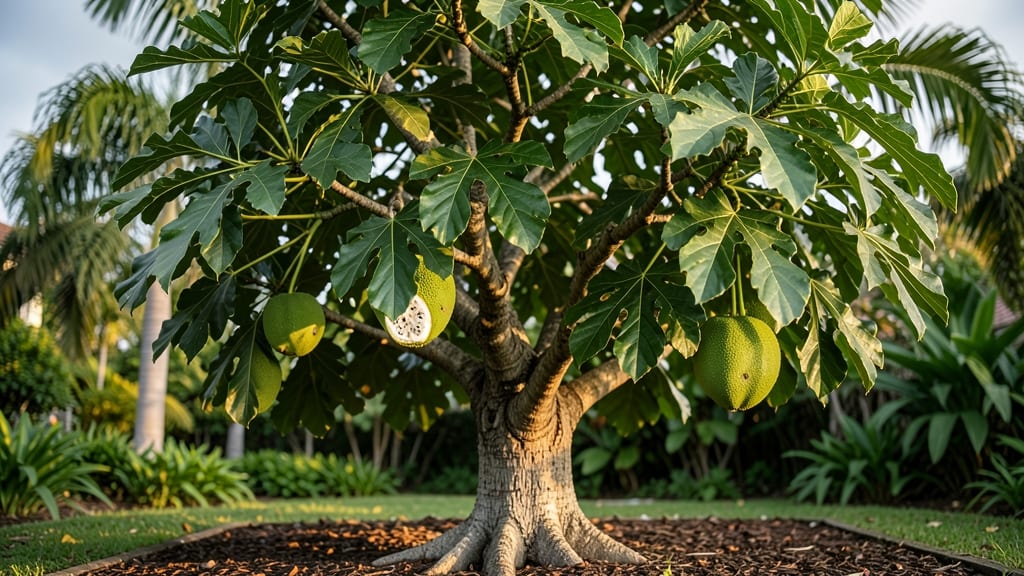
Soursop fruit grows naturally in tropical climates across Central and South America, the Caribbean islands, Southeast Asia, and select regions like Florida and Hawaii. These areas provide the perfect mix of warmth, humidity, and fertile soil for optimal growth.
Soursop trees thrive where temperatures stay consistently above 70°F, with high humidity levels and well-drained soil being absolute musts. 🌴 In places like Brazil, Puerto Rico, and Thailand, farmers have perfected growing techniques that take advantage of seasonal monsoons and coastal breezes.
The fruit's native range spans from Mexico down through Colombia and Venezuela, while commercial plantations in Southeast Asia—particularly in Vietnam and the Philippines—produce some of the world's sweetest varieties.
Even in Florida's subtropical zones, home gardeners can cultivate soursop with proper care, though the fruit may be smaller than tropical counterparts.
What makes these regions ideal isn't just the climate—it's the combination of factors like elevated rainfall during growing seasons and volcanic soil in some areas, which provides essential minerals. The trees themselves are surprisingly adaptable once established, but young plants need protection from strong winds and consistent moisture.
This is why you'll find soursop orchards near riverbanks or in protected valleys rather than exposed hilltops.
💡 In This Article
- Climatic Conditions for Soursop Fruit Cultivation
- Top Regions for Growing Soursop Trees
Climatic conditions for soursop fruit cultivation
Soursop trees demand precise environmental conditions to thrive, primarily because their native habitat evolved in the dense, humid rainforests of the Americas. The ideal temperature range sits between 75-85°F, with the plant struggling below 60°F—frost will kill young trees instantly.
What's fascinating is how the tree's growth rate accelerates during the wet season, when rainfall exceeds 100 inches annually in some tropical regions.
This heavy rainfall isn't just about water; it creates the perfect microclimate by maintaining high humidity levels above 70%, which prevents the fruit from drying out on the tree.
The soil composition plays an equally critical role. Soursop trees prefer well-drained, slightly acidic soils with a pH between 5.5-6.5, rich in organic matter.
In regions like Puerto Rico, volcanic soil provides the perfect mineral balance, while in Southeast Asia, farmers often amend clay-heavy soils with compost to improve aeration.
The roots are surprisingly shallow, meaning waterlogging can be fatal—this is why you'll find commercial plantations on gentle slopes rather than flatlands where water pools. 🌱 The tree's leaves also act as a natural moisture regulator, releasing water vapor through a process called guttation during humid nights, which helps maintain internal hydration.
Seasonal patterns create another layer of complexity. In tropical regions, soursop trees flower and fruit continuously throughout the year, but peak production occurs during the transition between rainy and dry seasons. This timing ensures the fruit develops optimal sweetness while avoiding fungal infections that thrive in prolonged wet conditions.
For example, in Brazil's Amazon basin, farmers harvest soursop year-round, but the fruit is at its sweetest between March and June, when daytime temperatures hover around 82°F and nighttime humidity remains above 80%.
This delicate balance explains why soursop struggles in temperate climates—it simply can't replicate these precise environmental triggers.
What most people don't realize is how wind patterns influence soursop cultivation. The trees' broad canopies make them vulnerable to strong winds, which can snap branches or damage the delicate fruit. This is why commercial orchards are often planted near natural windbreaks like mangrove forests or mountain ranges.
In Florida, where soursop is grown commercially, farmers use windbreaks made of bamboo or native palm species to protect the trees during hurricane season. The combination of these factors—temperature, humidity, soil, and wind protection—creates the perfect storm (literally) for successful soursop cultivation. 🌪️
Even within tropical regions, microclimates can dramatically affect soursop quality. For instance, trees grown at higher elevations (up to 3,000 feet) in places like the Andes produce smaller but more aromatic fruit, while coastal varieties tend to be larger but less sweet.
The variation in sunlight exposure also matters—the tree requires 6-8 hours of direct sunlight daily for proper photosynthesis, but too much intense sunlight can scorch the leaves.
This is why shade management becomes crucial in open plantation settings, where farmers might interplant soursop with taller, shade-tolerant crops like banana or coconut.
Understanding these climatic requirements explains why soursop cultivation is concentrated in specific tropical zones. The plant's sensitivity to environmental factors makes it a true tropical specialist, unable to survive in regions with cold winters or prolonged dry periods.
This specialization is what gives soursop its unique flavor profile—only when all these conditions are met does the fruit develop its characteristic creamy texture and complex sweet-tart taste. 🍈