
Picking
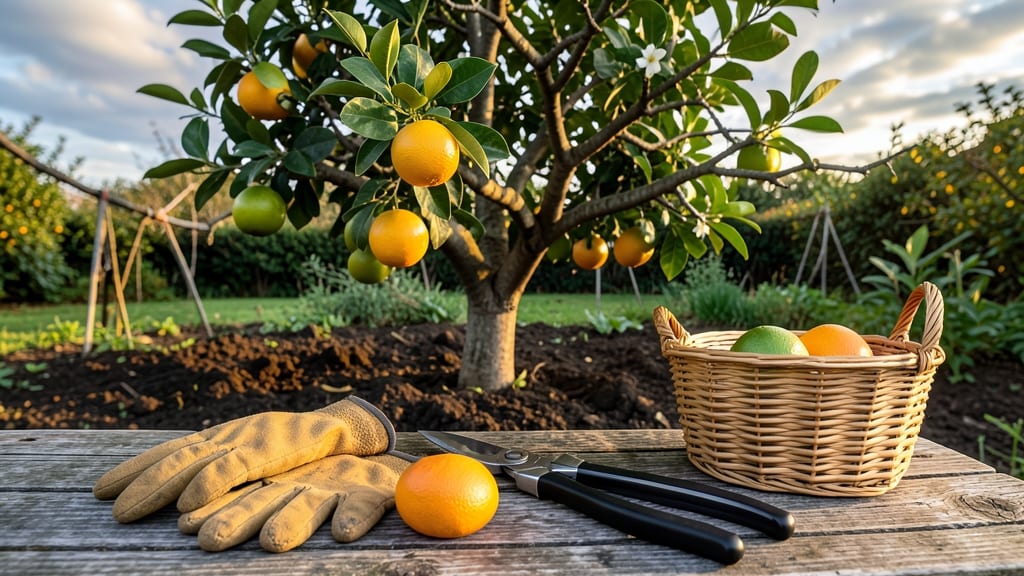
To pick grapefruit in Arizona at peak flavor, aim for late September through December—when the fruit transitions from green to its signature hue 🍊 and yields slightly to gentle pressure.
Timing matters more than you might think. Grab one too early, and you’ll get a tart, underripe mess. Wait too long, and the fruit turns mealy or falls prey to pests. I’ve made both mistakes—and the difference in taste? Night and day.
Arizona’s warm winters mean grapefruit stay on the tree longer than in cooler climates, but that doesn’t mean you can drag your feet. Varieties like Ruby Red and White mature faster in Yuma’s heat, while those in Phoenix may linger until mid-December.
Below, I’ll break down the exact cues to watch for—color, size, and texture—and share pro tips to avoid the most common harvest blunders, so you never miss the sweetest bite.


Best months to harvest Arizona grapefruit by variety
Arizona’s grapefruit harvest peaks during the cooler months when temperatures drop, but the exact timing varies by variety and region. In Phoenix and Tucson, grapefruits typically ripen 2-4 weeks earlier than in Yuma’s desert heat.
Understanding these differences ensures you pick fruit at its sweetest and juiciest. The Ruby Red variety, for example, thrives in Yuma’s winter growing season, while White grapefruits often mature later in Phoenix’s milder climate.
Regional microclimates play a huge role—Yuma’s winter harvest starts as early as late October, thanks to its cooler nights and abundant irrigation. Meanwhile, Tucson’s higher elevation can delay harvests by 3-4 weeks, with fruit ripening closer to December or January.
Even within the same city, a grapefruit tree in a shaded yard may take longer to ripen than one basking in full sun.
Here’s a quick guide to help you time your harvest perfectly for each popular Arizona grapefruit variety:
| Variety | Phoenix Harvest Window | Yuma Harvest Window | Tucson Harvest Window | Key Ripeness Cues |
|---|---|---|---|---|
| Ruby Red | Late November - Early January | Mid-October - Mid-November | Early December - Mid-January | Deep red blush, firm but yielding skin, easy stem release |
| White | January - February | December - Early January | Late January - Early February | Pale yellow skin, sweet aroma, slight softness when squeezed |
| Pink | December - January | November - December | Late December - January | Pinkish-red hue, balanced firmness, fragrant peel |
| Orange | Late November - December | Mid-October - November | Early December - January | Bright orange color, thick peel, crisp texture |
If you’re growing Ruby Red grapefruits in Yuma, you’ll have the earliest harvest window, often starting as soon as mid-October. This variety thrives in Yuma’s cooler winter nights, which accelerate ripening.
Meanwhile, White grapefruits typically hang on the tree the longest, often until February in Phoenix, where milder winters extend the growing season.
For Pink and Orange varieties, timing is crucial—pick too early, and the fruit will be tart and seedy. Wait too long, and the skin may become overly soft or develop sunburn spots.
The best approach is to check fruit weekly in late fall, looking for color changes and texture shifts. In Tucson’s higher elevations, even a well-established tree may need an extra 2-3 weeks to reach peak ripeness compared to Phoenix.
One mistake many Arizona gardeners make is assuming all grapefruits ripen at the same time. Ruby Reds and Oranges often mature first, while Whites and Pinks follow. To avoid missing the harvest window, create a monthly fruit inspection schedule starting in October.
Use a small notebook to track which fruits are changing color on each tree—this helps you predict when the rest will be ready.
Don’t overlook the importance of fruit size and weight. A ripe grapefruit should feel heavy for its size, almost like it’s too heavy to lift. If it feels light and hollow, it’s not ready
How to tell when grapefruit are ripe for picking
Arizona’s grapefruit trees produce fruit with unmatched sweetness when harvested at peak ripeness. But how do you know when those bright yellow, pink, or red fruits are ready? Unlike some fruits, grapefruit don’t ripen further after picking, so timing is everything.
I’ve learned the hard way—overripe fruit is seedy and mealy, while underripe fruit tastes sour and unpleasantly tart. Let’s break down the visual cues and texture tests that guarantee perfect flavor.
First, check the skin color. Ripe grapefruit develop a deep, uniform hue—whether that’s golden yellow for Ruby Red, pale yellow for White, or pinkish-red for Pink varieties. If the skin still has green patches or looks uneven, the fruit needs more time.
I always compare both sides of the fruit to ensure consistency. Another trick? Hold the grapefruit up to the light—ripe fruit will have a slightly translucent spot where the sun hits.
Next, perform the gentle squeeze test. A ripe grapefruit feels heavy for its size and yields slightly when pressed with your fingertips—like pressing a ripe avocado. If it feels rock-hard, it’s underripe. If it’s too soft or mushy, it’s overripe.
Pro tip: Use your thumb and index finger to pinch the fruit gently near the stem. The flesh should give just a little, but not collapse.
🚨 WARNING: Common Mistakes That Ruin Your Harvest 🚨
- Picking based on size alone—some grapefruit stay small but ripen fully.
- Ignoring stem separation—if the stem won’t twist off easily, the fruit isn’t ready.
- Harvesting after frost—Arizona’s rare January frosts can damage trees and fruit.
- Assuming color = ripeness—some varieties (like White grapefruit) stay pale even when ripe.
The stem test is often the most reliable indicator. Twist the stem gently—if it snaps cleanly from the fruit, it’s ripe. If it resists or tears the skin, wait a few more days. I’ve also noticed that ripe grapefruit sometimes detach slightly from the tree when lifted gently.
This happens because the fruit’s abscission layer (a natural separation zone) develops as it matures. Don’t mistake this for damage—it’s nature’s way of signaling readiness!
Finally, trust your nose and taste. A ripe grapefruit releases a sweet, citrusy aroma near the stem. If you’re unsure, take one home and let it sit at room temperature for 24 hours—sometimes the flavors mellow out.
But beware: grapefruit won’t ripen further after picking, so don’t wait too long. I once left a batch too long, and they turned soggy and fermented—a lesson learned the hard way!
For Arizona’s climate, timing matters even more. In Yuma and Phoenix, harvest peaks in December and January, while Tucson’s higher elevations may see later ripening in February.
Always check your specific variety’s harvest window and monitor your tree closely. With these tips, you’ll enjoy juicy, perfectly sweet grapefruit straight from your backyard—no bitterness in sight! 🍊