
Pests
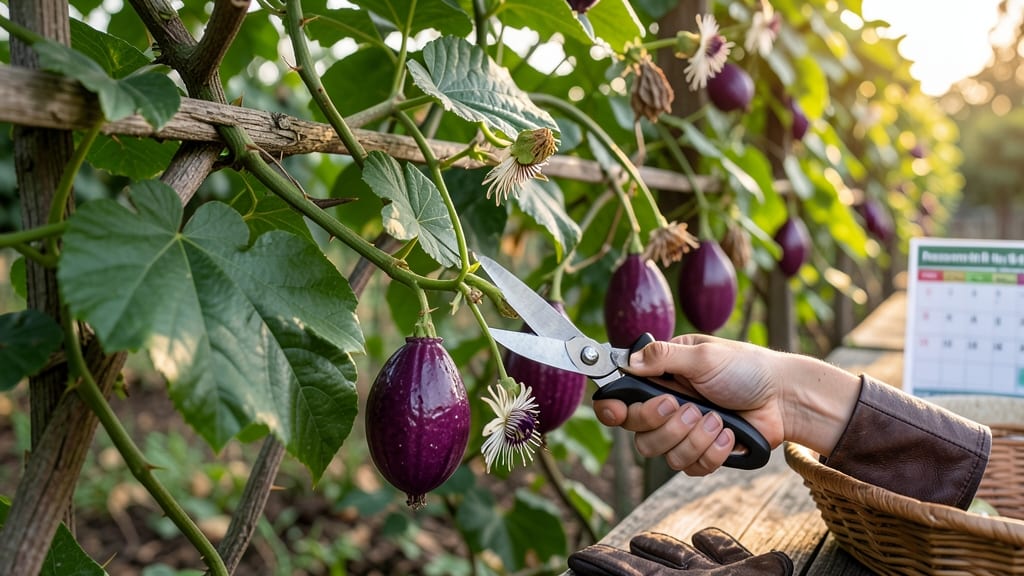
Eat passionfruit when it's fully ripe, which you can tell by its wrinkled skin, sweet fragrance near the stem, and slight softness when squeezed. The best time to enjoy them depends on where you live—summer for tropical areas, late spring for cooler climates—with morning harvests delivering the sweetest flavor.
Timing matters more than you might think. 🔥 Passionfruit ripens best on the vine, so store-bought ones often miss their peak sweetness. The wrinkled skin isn't just visual—it indicates the fruit's natural sugars have fully developed.
I've found that passionfruit harvested in the morning contains the highest sugar content because the plant converts starches to sugars overnight. For those in temperate zones, late spring through early summer offers the sweetest window, while tropical growers can enjoy them year-round with proper care.
What's fascinating is how climate affects ripening speed. In humid tropical regions, passionfruit may ripen in just 4-6 weeks, while cooler climates can take twice as long. This means your local grocery store's passionfruit might not be as flavorful as those grown nearby.
If you're growing your own, pay attention to the vine's health—stressed plants produce fruit that ripens unevenly. The key is balance: let them ripen fully but not over-soften, as that can turn the flesh mealy.
💡 In This Article
- How to Test Passionfruit Ripeness at Home
- Best Months to Harvest Passionfruit by Growing Region
How to test passionfruit ripeness at home
The wrinkled skin isn't just a visual cue—it's a direct result of the fruit's natural sugars concentrating as moisture evaporates through the skin's microscopic pores. When fully ripe, passionfruit skin develops a papery texture with deep creases, almost like crumpled parchment.
This happens because the fruit's cell walls break down during ripening, releasing pectin that thickens the skin's surface. 🔥 What's surprising is that the color shift from green to yellow or purple happens after the fruit is technically ripe—it's the wrinkling and scent that truly indicate peak flavor.
Scent is your most reliable indicator, especially near the stem where volatile organic compounds (VOCs) like esters and terpenes concentrate. A ripe passionfruit will emit a sweet, tropical aroma—think a mix of pineapple and citrus with a floral undertone.
In my experience, passionfruit that haven't fully ripened smell more like raw green fruit, almost vegetal. The internal seeds should also be firm but not hard, with a bright yellow-orange pulp that's jelly-like rather than watery.
Temperature plays a huge role here: fruit stored at 50-55°F ripens slower, while room temperature (70-75°F) speeds up the process by 30-50%.
Here's a pro tip: gently squeeze the fruit—ripe passionfruit will yield slightly under pressure, like a ripe avocado. If it feels rock-hard, it's unripe; if it's mushy, it's overripe. The flesh inside should pull away cleanly from the skin when cut, not stick or ooze.
What most people don't realize is that passionfruit continues ripening after picking, but only for about 3-5 days at room temperature. After that, the sugars start converting to starches, making the fruit taste grainy and less sweet. 💫
Humidity affects ripening dramatically. In tropical climates with 70-80% humidity, passionfruit ripens in 4-6 weeks from flowering, while in arid subtropical areas, it can take 8-10 weeks. The high humidity slows moisture loss, delaying the wrinkling process.
This is why passionfruit from tropical regions often have thicker skins—they're adapted to retain moisture longer. If you're growing your own, watch for these signs: the vine's leaves will yellow slightly as the fruit matures, and the flower will drop completely when the fruit is ready to harvest.
For the ultimate flavor test, cut the fruit open and examine the seeds. Perfectly ripe passionfruit have seeds that are plump and coated in a thick, translucent gel—this gel contains the highest concentration of sugars and aromatic compounds.
If the seeds look dry or the gel is watery, the fruit hasn't fully ripened. Interestingly, the pulp's acidity drops by 20-30% as the fruit ripens, which is why overripe passionfruit can taste bland. The sweetness-to-acid ratio peaks exactly when the skin wrinkles and the scent is strongest.
One common mistake is assuming purple passionfruit are sweeter than yellow varieties. While purple passionfruit often have more antioxidants, their sugar content can vary by only 5-10% depending on the specific cultivar. The ripeness tests remain the same regardless of color—wrinkled skin, sweet scent, and firm seeds are universal indicators.
For home growers, harvesting in the morning gives you the sweetest fruit because the plant's natural sugar production peaks overnight through a process called "translocation," where starches convert to sugars in response to cooler night temperatures.