
How To
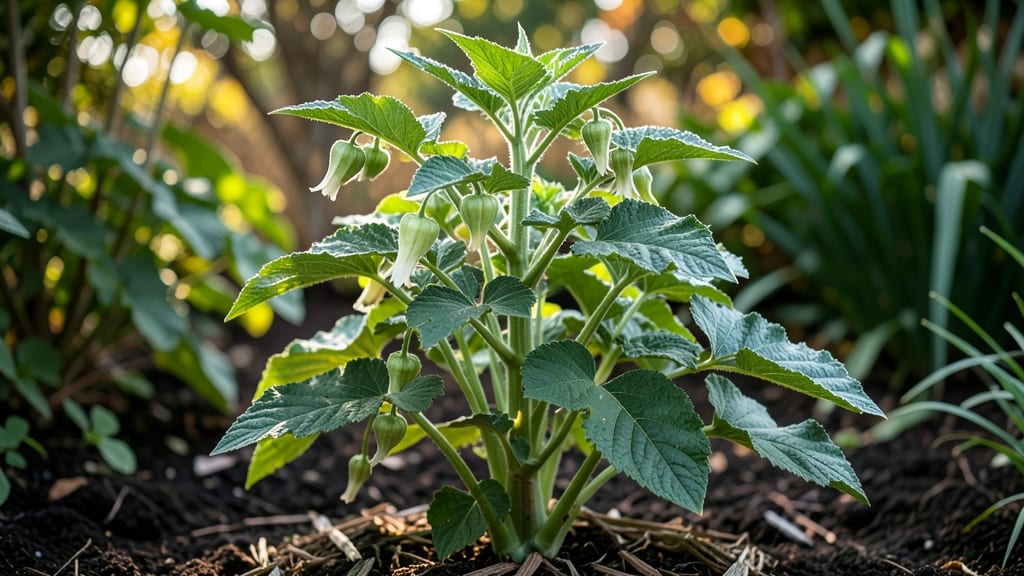
Tomatillos fruit between 60 and 90 days after planting, depending on your climate zone and growing conditions — but timing can shift dramatically if you live in a cooler region.
Wondering when your tomatillo plants will finally produce those tangy, lime-green fruits? Timing depends entirely on your climate zone—and getting it right means the difference between a bountiful harvest and empty vines.
In warmer zones like 9-11, you might see fruit as early as July, while gardeners in cooler USDA Zone 6a could wait until August or September.
Below, I break down the exact months by zone, plus three key factors—sunlight, soil, and pollination—that can speed up or delay fruiting.
Tomatillo fruiting timeline by USDA climate zones
Tomatillos thrive in warm climates but adapt beautifully to cooler zones with the right timing. The key to a successful harvest lies in understanding your USDA zone and choosing varieties that match your last frost date.
In Zone 10-11, you might enjoy year-round production, while gardeners in Zone 3-5 need to plan for short seasons with cold-hardy varieties. Let's break down exactly when to expect those prized lime-green fruits in each zone.
Tomatillos typically take 60-90 days to fruit after transplanting, but this timeline shifts dramatically based on temperature thresholds. Blooms appear when nighttime temps stay above 55°F (13°C), and fruits swell rapidly when daytime highs reach 75°F (24°C).
In cooler zones, extending the season with row covers or greenhouses can make all the difference between a bountiful harvest and empty vines.
Here's a detailed comparison of fruiting timelines across all USDA zones, including early, mid, and late-season varieties that perform best in each climate.
| USDA Zone | Planting Time | Blooming Window | Fruiting Window | Harvest Months | Best Varieties |
|---|---|---|---|---|---|
| Zones 3-4 | Late May - Early June | July 15 - Aug 1 | Aug 15 - Sep 15 | Late Aug - Early Oct | 'Purple de Milpa', 'Green de Milpa' |
| Zones 5-6 | Mid-April - Mid-May | June 15 - July 15 | July 15 - Aug 30 | Late July - Oct | 'Green de Milpa', 'Verde' |
| Zones 7-8 | Early April - Early May | May 15 - June 30 | June 15 - Sep 15 | June - Oct | 'Purple de Milpa', 'Green de Milpa' |
| Zones 9-10 | Feb - March (Spring) / Aug (Fall) | Mar 15 - Apr 30 / Sep 15 - Oct 15 | Apr 15 - Jun 30 / Oct 1 - Nov 15 | May - July / Oct - Dec | 'Green de Milpa', 'Verde' |
| Zone 11 | Year-round (Feb, Aug) | Mar 15 - Apr 30 / Sep 15 - Oct 15 | Apr 15 - Jun 30 / Oct 1 - Nov 15 | May - July / Oct - Dec | 'Green de Milpa', 'Verde' |
In Zones 3-4, where summers are short, focus on early-maturing varieties like 'Purple de Milpa' that can complete their cycle before the first frost. These zones require starting seeds indoors 6-8 weeks before your last frost date and using row covers to extend the season.
The 60-day varieties are your best bet for a reliable harvest.
Gardeners in Zones 5-6 enjoy a slightly longer season, allowing for both early and mid-season varieties. Plant seeds directly after your last frost date (usually mid-April to mid-May) and expect blooms to appear around mid-June.
Fruits will begin swelling in late July, with peak harvests stretching into October. Choose heat-tolerant varieties to handle occasional summer heatwaves.
Warmer climates like Zones 7-8 offer the longest fruiting windows, often from June through September
How to accelerate tomatillo fruiting in cool or short seasons
Cool or short growing seasons can leave your tomatillo plants struggling to produce fruit. But with the right strategies, you can extend the season and coax those tangy lime-green tomatillos to ripen faster.
The key lies in combining cold-hardy varieties, protective techniques, and smart pruning to maximize your harvest window.
Tomatillos thrive in warmth, but they’re not completely helpless in cooler climates. By choosing the right varieties and implementing proven tactics, you can push your plants to fruit earlier—or keep them producing longer into fall. Let’s explore the most effective methods to accelerate fruiting, even when temperatures dip.
🌱 5 Proven Ways to Speed Up Tomatillo Fruiting
- 1. Choose Cold-Tolerant Varieties: Opt for 'Purple de Milpa' or 'Green de Milpa', which handle cooler temps better than standard types. These varieties can fruit 10-14 days earlier in marginal climates.
- 2. Use Row Covers or Cold Frames: Lightweight floating row covers raise soil temps by 5-10°F, mimicking a warmer microclimate. Remove covers during pollination to allow bees access.
- 3. Extend the Season with Black Plastic Mulch: Lay black plastic mulch 2-3 weeks before planting. It warms soil 10-15°F faster than bare ground, giving plants a head start.
- 4. Prune Strategically for Earlier Fruit: Remove lower leaves to improve airflow and sunlight penetration. Pinch back suckers to redirect energy to fruit production instead of foliage.
- 5. Boost Soil Fertility with Compost: Amend soil with aged compost before planting. Tomatillos need rich, well-draining soil with a pH of 6.0-7.0 to thrive and fruit efficiently.
Don’t overlook the power of pollination assistance in cooler weather. If bees are sluggish, gently shake plants in the morning to release pollen. Hand-pollinating with a small brush can also double fruit set in marginal climates.
For gardeners in USDA Zones 6-8, consider starting seeds indoors 8-10 weeks before the last frost. Transplant seedlings into the garden when soil reaches 60°F, using black plastic mulch to maintain warmth. This head start can shave 2-3 weeks off the time to fruiting.
If frost threatens before harvest, cover plants with row covers or frost cloth at night. Even a few extra degrees can protect blossoms and developing fruit, extending your season by 2-4 weeks in cooler regions.
With these techniques, you’ll transform your cool-season challenges into a tomatillo bonanza. The right variety, a little warmth, and smart pruning can turn a short season into a productive one—just in time for salsa season! 🌿