
Blooming
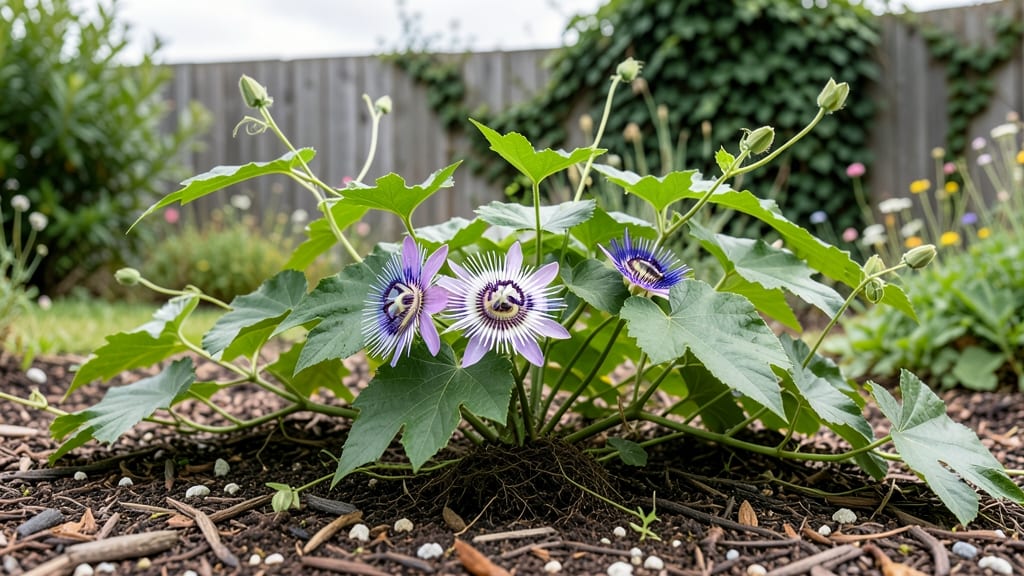
Passionfruit flowers bloom between March and May in tropical and subtropical regions, but the exact timing depends on your climate zone and variety.
If you’re growing passionfruit and wondering why your vines aren’t flowering—or when to expect those stunning, fragrant blooms—timing is everything. The right climate zone can shift bloom windows by months, directly impacting your harvest.
In USDA Zones 10-11, where passionfruit 🍈 thrives year-round, flowers typically appear in early spring, while cooler zones like 9b may see delayed blooms until late spring or early summer.
Below, I’ll break down the exact months for your region, plus pro tips to encourage early or delayed flowering—so you can maximize your harvest season.
Passionfruit flowering timeline by USDA climate zones
Understanding when your passionfruit vines will flower depends heavily on your USDA climate zone. In warmer zones like 10-11, blooms may appear year-round, while Zone 8 growers face shorter windows.
Tropical varieties like Passiflora edulis (purple passionfruit) thrive in heat, while temperate types such as Passiflora caerulea (blue passionflower) adapt better to cooler climates.
Temperature plays a critical role—consistent warmth above 60°F triggers blooming, but sudden cold snaps can halt flower production. Humidity also matters: 60-80% humidity supports pollination, while dry air can cause buds to drop. Let’s break down what to expect month-by-month in each zone.
🌱 Key Insight: Passionfruit vines typically take 12-18 months to mature before flowering. Younger plants focus on vine growth, delaying blooms until they’re established.
In Zone 8, expect limited flowering from April to September, with tropical varieties struggling outside this window. Zone 9 growers enjoy a longer season—March to October—where tropical passionfruit can bloom year-round with proper winter protection.
Meanwhile, Zones 10-11 offer the best conditions, with continuous blooms if temperatures stay above 75°F.
For temperate varieties, cooler zones like Zone 8-9 see peak blooms in late spring to early summer (May-July). These varieties often enter dormancy in winter, requiring pruning in late fall to encourage new growth and next year’s flowers.
In contrast, tropical varieties in Zones 10-11 may flower year-round, though production slows in winter.
Watch for temperature drops below 50°F, which can shock vines and cause bud drop. In Zone 8, use row covers or move potted plants indoors during cold snaps.
In warmer zones, shade cloth during summer heatwaves can prevent stress-related flower loss. Humidity also matters—mist vines in dry climates to support pollination.
💡 Pro Tip: If your passionfruit vine isn’t flowering after 18 months, check for nutrient deficiencies. A balanced fertilizer (7-9-5 NPK) applied in early spring can boost blooms. Over-fertilizing with nitrogen, however, promotes leafy growth at the expense of flowers.
In Zone 10-11, where blooms are more predictable, focus on pruning spent flowers to redirect energy to new growth. Remove weak or crossing vines to improve air circulation, reducing the risk of fungal diseases that can stress plants.
Regular deep watering (1-2 gallons per plant) keeps roots healthy, ensuring consistent flowering.
🌿 Seasonal Adjustments: In Zone 8, start vines indoors in late winter to jumpstart growth. For Zones 9-11, winter pruning (January-February) removes dead wood and encourages spring blooms. Always prune after the last frost in cooler zones to avoid cold damage.
Finally, hand-pollination can help in areas with low bee activity. Use a soft paintbrush to transfer pollen between flowers in the morning when they’re open. This is especially useful in greenhouse settings or urban
How to trigger early or delayed passionfruit flowering
Passionfruit vines are finicky about timing—if you want those exotic, fragrant blooms to appear earlier or later, you’ll need to tweak their environment. The key lies in understanding their natural triggers: light exposure, temperature shifts, and nutrient balance.
In warmer climates like USDA Zones 10-11, blooms typically start in late winter to early spring, but cooler zones (like Zone 9b) may delay them until April or May after frost risk passes.
Forcing early blooms requires strategic adjustments, while delaying them often means stressing the vine just enough to pause growth. The trick? Mimic natural seasonal cues without shocking the plant.
Let’s break down how to accelerate or slow down flowering using proven techniques—plus how to spot signs your vine is stressed and stalled.
In late winter (Jan-Feb), prune back 1/3 of last year’s growth to redirect energy. This mimics spring’s natural pruning and signals the vine to bolt into flowering mode 2-3 weeks sooner.
Switch to a 7-9-5 NPK fertilizer in early spring to boost flower production. Avoid nitrogen-heavy feeds—too much leafy growth delays blooms by 4-6 weeks.
For early blooms, water deeply every 3-4 days in winter to encourage root growth. To delay blooms, reduce water to every 7-10 days in late summer—this mimics drought stress and pauses flowering.
Cover vines with 30-50% shade cloth in late summer to reduce light intensity. This tricks the plant into thinking it’s fall, delaying blooms by 3-5 weeks until cooler temps return.
Yellowing leaves, dropping buds, or stunted new growth mean your vine is stressed. Common culprits: over-fertilizing, root rot, or sudden temperature drops. Fix these issues immediately to restart flowering.
Timing matters most in USDA Zone 9b, where a late frost can wipe out blooms overnight. If you’re in a cooler zone, start pruning and fertilizing by mid-February to give vines a head start.
In tropical zones (10-11), focus on water adjustments—too much moisture in summer can suppress blooms entirely.
Pro tip: Hand-pollinate flowers in the morning by gently shaking vines. This ensures even if blooms arrive early or late, you’ll still get fruit set. Use a soft paintbrush to transfer pollen between flowers if bees are scarce.
Remember, passionfruit vines are perennial in frost-free zones, so patience pays off. With the right tweaks, you can shift blooming windows by up to 6 weeks—just don’t push too hard, or your vine might skip flowering altogether. 🌱