
Vegetables
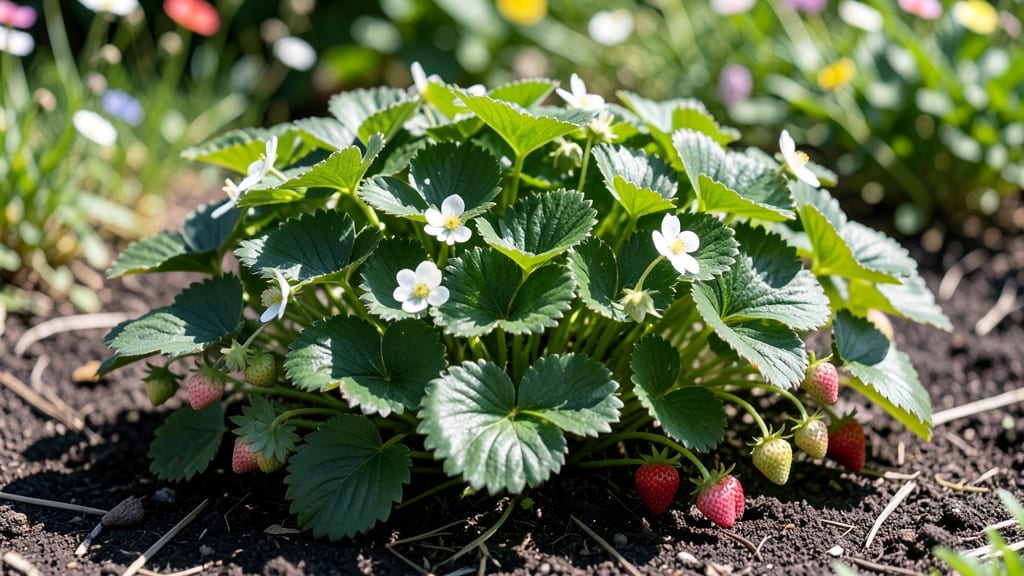
Everbearing strawberries produce fruit in two to three waves per year—a gardener’s dream if you know when to expect them.
If you’re dreaming of a year-round strawberry harvest, everbearing varieties could be your secret weapon—but timing is everything. These plants defy the typical ‘one-season-only’ rule, producing fruit in waves, but only if you know when and how to expect them.
In Zone 6a, the first flush arrives as early as June, followed by a second wave in late summer and a third in fall—provided you’ve planted the right variety for your climate.
Short-day types (like ‘Seascape’) thrive in warmer regions, while long-day varieties (like ‘Albion’) stretch their harvests into cooler months.
Below, I’ll break down the exact timing for your zone, how to boost those three harvests, and why your everbearing 🍓 might be skipping a flush—plus how to fix it.
Everbearing strawberry fruit production timeline by seasonal wave
Everbearing strawberries are the superstars of home gardens because they produce fruit in three distinct waves throughout the growing season. Unlike their June-bearing cousins, which give you just one harvest, these varieties deliver early spring, summer, and fall crops—if you know how to trigger each wave.
The key lies in understanding how temperature shifts and daylight changes signal your plants to flower and fruit.
Most everbearing varieties begin their journey in late winter or early spring when soil temperatures rise above 40°F (4°C). This first flush often appears as small, delicate berries in May or June, setting the stage for two more harvests.
The magic happens when your plants experience cool nights followed by warm days, a pattern that kickstarts flowering. Without this temperature dance, your strawberries might skip a wave entirely.
Here’s how to maximize each harvest wave—and what to watch for to ensure your plants perform at their best:
🌱 Everbearing Strawberry Fruit Production Timeline
- 🌱 Wave 1: Early Spring
- 🌞 Wave 2: Summer
- 🍂 Wave 3: Fall
Triggered by rising soil temps (40-50°F) and 14+ hours of daylight. Produces small, early berries in May-June.
Peaks when days shorten to 12-14 hours (late June-July). Yields medium-sized berries with higher sugar content.
Stimulated by cool nights (50-60°F) and declining daylight. Delivers largest harvest in September-October.
💡 Pro Tip: Remove first-year flowers to boost second-year yields by 30-50%.
The first wave is often the most unpredictable because it depends on winter chilling hours. If your region gets less than 300 hours below 45°F (7°C), your plants might produce fewer berries or skip this wave entirely.
To compensate, choose day-neutral varieties like Seascape or Albion, which are more forgiving with chilling requirements.
For the summer wave, focus on consistent watering and shade cloth during heatwaves. When temperatures exceed 90°F (32°C), strawberries can stop flowering or produce small, bland berries. A 30% shade cloth can protect your plants while still allowing enough light for photosynthesis.
This wave is also when pests like spider mites become most active, so inspect your plants weekly for webbing or discolored leaves.
The fall harvest is typically the most abundant, but it requires careful fertilizer management. After the summer wave, your plants need a balanced fertilizer (10-10-10) to replenish nutrients. Avoid high-nitrogen feeds now—this will encourage leafy growth at the expense of fruit.
Instead, switch to a low-nitrogen, high-phosphorus formula to support flowering. In USDA Zones 7-10, you might even get a light winter harvest if temperatures stay mild.
To extend your fall harvest into winter, use row covers or cold frames to protect your plants from frost. Everbearing varieties can tolerate light freezes (25-30°F/-4°C), but prolonged cold will damage the crowns.
If you live in a warmer climate (Zones 8-10), you might enjoy year-round fruiting with minimal care—just keep the soil moist and mulch heavily to retain moisture.
One common mistake gardeners make is over-pruning everbearing strawberries. Unlike June-bearing types, these plants need their older leaves to feed the current year’s fruit. Only remove diseased or yellowing leaves—never trim more than 10-15% of the foliage at once.
This ensures your plants have enough energy to fuel all three harvest waves.
For container growers, timing is even more critical because pots heat up faster and dry out quicker. Everbearing strawberries in containers often produce their first wave 1-2 weeks earlier than in-ground plants.
To delay the first flush and stretch out your harvest, plant in early spring (March-April) and use black plastic mulch to keep roots cool. This simple trick can push your summer and fall waves later by 2-3 weeks.
🌿 Final Tip: Keep a harvest journal to track when each wave appears in your garden. Note the temperature highs/lows, daylight hours, and fertilizer types used. Over time, you’ll spot patterns and adjust your care routine to maximize every berry your everbearing plants produce.
Climate zone impact: when everbearing strawberries ripen in hot vs. cold regions
Your USDA climate zone dramatically shifts when everbearing strawberries produce fruit. In cooler zones (3–6), like the Ozark Mountains, plants often yield two harvests—early spring and fall—while warmer zones (7–10), such as Southern California, may stretch fruiting into winter.
Temperature triggers flowering, so understanding your zone helps you time planting and care for maximum yields.
In cold climates (Zones 3–5), everbearing varieties like 'Ozark Beauty' produce their first flush in late May to June after frost danger passes, followed by a second wave in September–October.
Meanwhile, in hot, dry regions (Zones 8–10), varieties like 'Seascape' may fruit continuously from spring through fall, with minimal dormancy.
🌱
| Climate Zone | Primary Harvest Windows | Key Varieties | Temperature Triggers |
|---|---|---|---|
| Zones 3–5 (Cold) | Late May–June, Sept–Oct | Ozark Beauty, Albion | 40–50°F nights, 70°F days |
| Zones 6–7 (Temperate) | June–July, Aug–Sept | Seascape, Honeoye | 50–60°F nights, 80°F days |
| Zones 8–10 (Hot) | Spring–Fall (continuous) | Fort Laramie, Seascape | 60–75°F consistent temps |
To extend harvests in hot regions (Zones 8–10), provide afternoon shade during peak summer months to prevent fruit scorch. In cold zones (3–5), use row covers in early spring to warm soil and jumpstart flowering. Mulching with straw also helps regulate soil temperature, ensuring consistent fruiting.
For Alpine climates (Zones 3–4), opt for day-neutral varieties like 'Fort Laramie', which tolerate cooler temps better than traditional everbearers. In Mediterranean climates (Zones 9–10), prioritize drought-tolerant varieties like 'Seascape' and water deeply but infrequently to avoid fungal issues.
💧
Regardless of your zone, prune old leaves after each harvest to redirect energy to new growth. This simple step can boost your next fruiting wave by up to 30%.
Always monitor soil moisture—consistent watering is critical for both flowering and fruiting, especially in sandy soils that dry out quickly.