
Fertilization
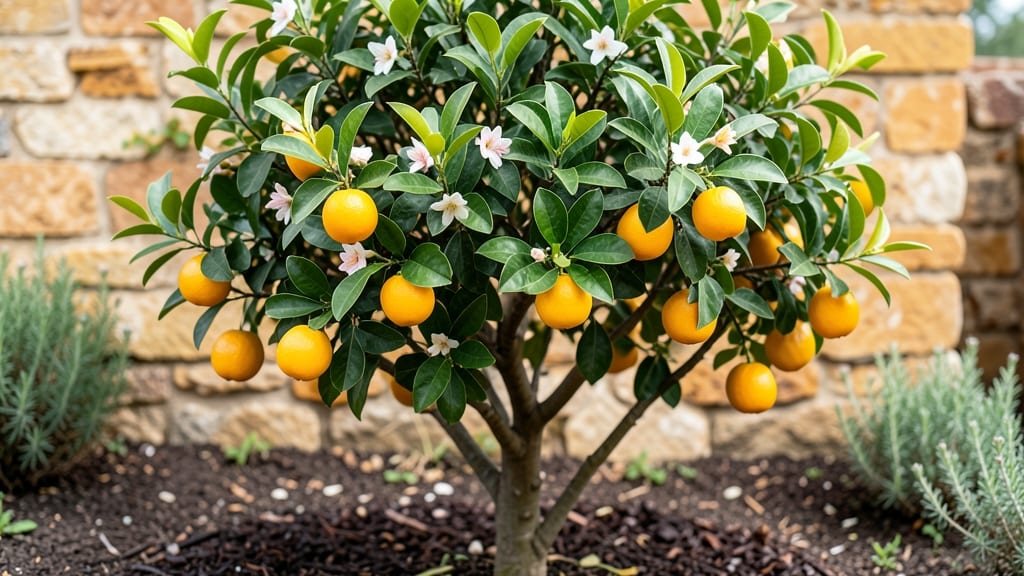
Tangerine fruit is a small, easy-to-peel citrus variety with a sweet, juicy flavor and thin skin, often seedless or low-seed compared to oranges. It thrives in warm climates and belongs to the Citrus reticulata species, prized for its convenience and vibrant taste.
Tangerines are the perfect blend of convenience and flavor, making them a standout in the citrus family. 🌟 Unlike their thicker-skinned orange cousins, their loose peel separates easily from the flesh, and their sweeter, less acidic taste makes them a hit with kids and adults alike.
The seedless varieties—like the popular Dancy or Mandarino—are especially popular for snacking, while their bright orange color adds visual appeal to dishes and desserts.
What sets them apart botanically is their hybrid lineage: while oranges are hybrids of pomelos and mandarins, tangerines are essentially the mandarin's sweeter, more refined cousin.
These fruits aren't just delicious—they're also packed with practical benefits. Their thin skin means less waste, and their natural sweetness often eliminates the need for added sugar in recipes.
Whether you're enjoying them fresh, tossing them into salads, or using them in marinades, tangerines bring both flavor and functionality to the table. Plus, their short growing season (typically winter months) makes them a seasonal favorite that's hard to beat.
💡 In This Article
- Tangerine Fruit Characteristics vs Oranges
- Growing and Harvesting Tangerine Trees
Tangerine fruit characteristics vs oranges
The most obvious difference between tangerines and oranges lies in their peel texture and ease of handling. Tangerines feature a thin, loose-fitting skin that separates cleanly from the flesh, thanks to a specialized layer called the albedo being only 0.1-0.2mm thick—about one-tenth the thickness of an orange's peel.
This makes them the easiest citrus to peel by hand, requiring no knife. Oranges, by contrast, have a thicker, more fibrous rind that often clings stubbornly to segments, especially in varieties like Navels or Valencias. 🔥
Flavor-wise, tangerines deliver a sweeter, less acidic experience with sugar content typically ranging from 8-12% by weight, compared to oranges' 6-9% range. Their juice has a lower pH (3.5-4.0) than oranges (3.0-3.5), meaning they taste less tart.
The flesh also has a softer, more delicate texture—almost jelly-like in some varieties—while oranges maintain a firmer, more fibrous structure. Seedless tangerines like the Murcott or Clementine varieties contain 0-2 seeds per fruit, whereas even seedless oranges may have 5-10 seeds.
Botanically, tangerines belong to the Citrus reticulata species, while oranges are hybrids of Citrus maxima (pomelo) × Citrus reticulata (mandarin). This genetic difference explains why tangerines mature faster—typically 120-180 days from flowering—compared to oranges' 180-365 days.
Their smaller size (2-3 inches in diameter) also means they ripen more uniformly on the tree, making them ideal for commercial harvesting. 💫
One fascinating chemical distinction lies in their volatile oils. Tangerines contain higher levels of limonene (40-50%) and linalool (10-15%), which contribute to their floral aroma, while oranges have more α-terpineol (5-10%), giving them a slightly sharper citrus scent.
This oil composition also affects their storage life—tangerines last 2-3 weeks at room temperature, while oranges can last 4-6 weeks due to their thicker peel acting as a better moisture barrier.
Consider these key visual and practical differences when selecting:
- Peel color: Tangerines have a brighter orange-red hue (from anthocyanins), while oranges are more uniform yellow-orange
- Weight: A typical tangerine weighs 3-5 ounces; oranges range from 5-10 ounces
- Segment count: Tangerines average 8-12 segments; oranges have 10-15
The next time you're choosing between the two, remember: tangerines win for convenience and sweetness, while oranges offer more juice yield and longer storage. For baking or cooking where acidity is needed, oranges are superior—but for fresh eating or quick snacks, tangerines are the clear champion. ✨