
Plants
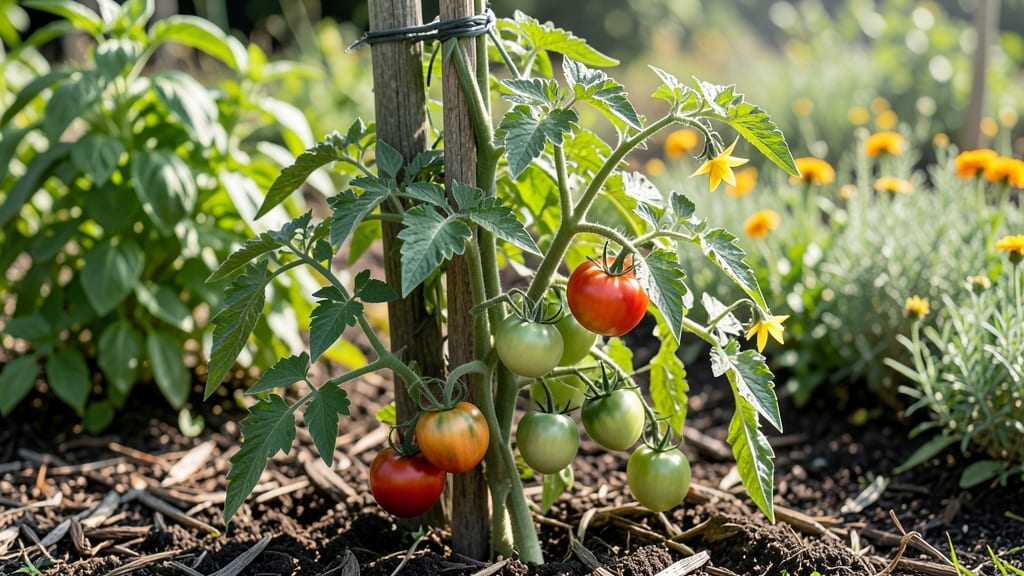
Those tiny, sweet tomato like fruit you crave don’t need a sprawling vine—just a 5-gallon container and a sunny windowsill. 🌱 I’ve grown enough cherry tomatoes in pots to feed my family for months, and the secret is choosing the right varieties and giving them the care they crave.
The result? Bursts of flavor that outshine store-bought tomatoes by a mile, with none of the fuss of a full garden bed.
Most people assume cherry tomatoes need a garden, but the truth is, they thrive in containers as long as you pick compact varieties like ‘Tiny Tim’ or ‘Sweet 100.’ You’ll need well-draining soil, a sturdy pot, and a support stake or trellis to keep those vines from flopping over.
The payoff? You can grow them year-round in warm climates or extend your season with grow lights, and they’re less prone to soil-borne diseases that plague garden-grown plants.
By mid-summer, you’ll be harvesting clusters of bright red, bite-sized tomatoes that taste like sunshine. The best part? No blight, no pests, and no wasted space.
Even if your yard is small or your soil is poor, these container-grown gems deliver the same sweet, juicy satisfaction as their garden counterparts—without the drama.
Whether you’re dealing with limited space, poor soil, or just want to experiment with flavors, container cherry tomatoes are the foolproof way to grow your own. Here’s how to set it up without the guesswork—and keep those vines producing until frost.
📚 In This Guide
- What you need
- Instructions
- Tips and common mistakes
- Wrapping up and next steps
What you need
- ● Cherry tomato seeds or seedlings: Choose disease-resistant varieties like 'Sweet 100,' 'Sun Gold,' or 'Tiny Tim' (5–10 plants for a small harvest).
- ● Containers: 5–10 gallon pots (or fabric grow bags) with drainage holes. Pro tip: Use one pot per plant for best airflow! 🌡️
- ● Potting mix: High-quality, well-draining soil mix (avoid garden soil—it compacts!). Add perlite or vermiculite for extra aeration.
- ● Balcony or grow lights: 6–8 hours of sunlight daily (or LED grow lights for indoor setups).
- ● Stakes or cages: 3–4 ft tall tomato cages or bamboo stakes to support vines.
- ● Fertilizer: Balanced liquid fertilizer (10-10-10 or organic options like fish emulsion).
- ● Watering can or hose with nozzle: Gentle watering prevents root damage.
- ● Mulch: Straw or shredded leaves to retain moisture and suppress weeds.
- ● Pruning shears: For trimming suckers (side shoots) to boost fruit production.
- ● pH test kit: Keep soil pH between 6.0–6.8 for optimal nutrient uptake.
- ● Compost or worm castings: Boost soil health naturally.
- ● Pest control: Neem oil or insecticidal soap (preventative measure!).
Step-by-step instructions for growing sweet cherry tomatoes in containers
Here's how to grow juicy, vine-ripened tomatoes—no garden needed!
🪴 Step 1: Choose the Right Containers and Drainage
Start with 5-gallon containers—that's the minimum for a single cherry tomato plant to thrive. I like fabric grow bags because they breathe better than plastic, but any container with drainage holes works. If yours don't have them, drill ¼-inch holes in the bottom to prevent root rot.
Place a 2-inch layer of gravel or broken pottery at the bottom before adding soil. This creates space for excess water to drain while keeping roots from sitting in soggy conditions. The key here is airflow—roots need to breathe just like you do after a workout.
🌱 Step 2: Fill with Lightweight Potting Mix and Plant Your Seedling
Fill the container ¾ full with a sterile seed-starting mix—never garden soil. I mix mine with 20% perlite to keep it fluffy. Press down lightly so the surface is firm but not packed. You want roots to find purchase, not float in air.
Dig a hole twice as wide as the root ball of your cherry tomato seedling. Gently remove the plant from its nursery pot and place it in the hole, spreading roots outward. Fill the hole with soil, pressing lightly around the base. Water deeply until it drains from the bottom—this settles everything in place.
☀️ Step 3: Position for Maximum Sun and Support
Cherry tomatoes need 6-8 hours of direct sun daily. A south-facing spot is ideal, but if you're short on sunlight, supplement with a grow light for 14-16 hours a day. I keep mine 6 inches above the plant and raise it as the vine grows.
Install a sturdy tomato cage or trellis right away—even small seedlings will lean against it as they grow. This prevents sprawling and makes harvesting easier. Watch for first flowers in 6-8 weeks; that's your cue to start fertilizing lightly with a balanced 10-10-10 formula every 2 weeks.
💧 Step 4: Water Deeply and Consistently
Water when the top inch of soil feels dry—stick your finger in to check. Deep watering encourages roots to grow downward, while shallow watering keeps them weak and surface-bound. I use a watering wand to direct moisture at the base, avoiding leaves to prevent disease.
Mulch with 2 inches of straw to retain moisture and keep soil cool. This is especially important in hot afternoons—consistent moisture prevents blossom-end rot, a common problem in container tomatoes. If you see yellowing leaves, it's usually a sign of overwatering or poor drainage.
✂️ Step 5: Prune and Harvest for Maximum Yield
Once your plant reaches 3 feet tall, start pruning suckers—those little shoots growing between the stem and branches. Remove them with your fingers or clean pruners. This redirects energy to fruit production instead of leaf growth. I do this every 2 weeks during the growing season.
Harvest when fruit is fully colored and slightly soft to the touch—usually 60-70 days after transplanting. Pinch off clusters with your fingers or snip with scissors. The more you pick, the more your plant will produce. Store unwashed tomatoes in the fridge for up to 2 weeks to preserve sweetness.
Tips & tricks for perfect container-grown cherry tomatoes
These simple strategies will help your cherry tomato plants thrive in containers and produce the sweetest fruit possible.
Container Size Matters: While 5-gallon containers are the minimum, I've found that 7-gallon containers give plants more room to grow without needing extra pruning. The extra space helps roots spread out, which means better stability and more fruit production. If you're growing multiple plants, consider using larger containers or adding a second plant to each 5-gallon container—they'll support each other's growth.
Sunlight Secret: Those 6-8 hours of direct sun are non-negotiable, but here's what I've learned about maximizing sunlight: If your balcony or patio gets afternoon shade, move your containers to catch the morning sun instead. Morning light is gentler and helps prevent the stress that can cause blossom drop. For indoor grow lights, position them 6 inches above the plant and adjust as the plant grows—this mimics natural sunlight patterns and encourages even growth.
Fertilizer Timing: The instructions mention starting fertilizer after 6-8 weeks when you see first flowers, but here's a pro tip: Use a fish emulsion or compost tea every 2 weeks instead of synthetic 10-10-10. Organic fertilizers feed the soil, not just the plant, which leads to better long-term health. I start with half-strength applications to avoid burning young roots, then gradually increase to full strength as the plant matures.
Watering Wisdom: Checking the top inch of soil is smart, but I've found a better method: Stick your finger 2 inches deep instead. This gives you a more accurate reading of the plant's actual moisture needs. Also, water in the early morning so leaves have time to dry before evening—this prevents fungal diseases that thrive in damp conditions. If you notice the soil staying wet longer than usual, it's time to check those drainage holes again.
Pro Tips for Tomato Like Fruit
- These simple strategies will help your cherry tomato plants thrive in containers and produce the sweetest fruit possible.
- Container Size Matters: While 5-gallon containers are the minimum, I've found that 7-gallon containers give plants more room to grow without needing extra pruning.
- Morning light is gentler and helps prevent the stress that can cause blossom drop.
Frequently asked questions
Got questions about growing and enjoying tomato-like fruits? Here are some of the most common queries—and their answers—to help you cultivate your own sweet cherry tomatoes with confidence!
Can I grow tomato-like fruits in small spaces or containers?
Cherry tomatoes thrive in containers, making them perfect for balconies, patios, or even windowsills. Just ensure your pot is at least 5 gallons for one plant, has drainage holes, and use a high-quality potting mix. Pro tip: Place containers in full sun (6-8 hours/day) and rotate them occasionally for even growth!
How long does it take for tomato-like fruits to ripen after planting?
Cherry tomatoes typically take 60-70 days from transplanting to harvest, depending on the variety and growing conditions. Start seeds indoors 6-8 weeks before the last frost, then transplant seedlings outdoors after all danger of frost has passed. Watch for color change: Green fruits will turn red, yellow, or purple (depending on the type) when ripe!
What if my tomato-like fruits crack or split?
Cracking is common due to uneven watering—too much water after a dry spell can cause fruits to split. To prevent this, water consistently (1-2 inches per week) and mulch around plants to retain moisture. If it happens, harvest cracked fruits early and use them in sauces or salsas where texture isn’t critical.
Are there tomato-like fruits that don’t require staking or cages?
Yes! Compact varieties like ‘Tiny Tim’ or ‘Balcony Red’ grow as bush plants and don’t need support. For indeterminate types (like ‘Sweet 100’), use floral wire or tomato cages to keep plants upright. Bonus: Bush varieties are ideal for containers and small gardens!
Can I eat unripe tomato-like fruits?
While unripe tomatoes are safe to eat (they’re just less flavorful), they’re firmer and less sweet. For best results, wait until they’re fully colored and slightly soft to the touch. Quick fix: Ripen them indoors by placing them in a paper bag with a banana for 2-3 days!
| Quick Troubleshooting Guide |
|---|
|
Problem: Yellow leaves Cause: Overwatering or nutrient deficiency Fix: Let soil dry slightly between waterings; add balanced fertilizer. |
|
Problem: No flowers or fruits Cause: Too much nitrogen or poor pollination Fix: Switch to a low-nitrogen fertilizer; gently shake plants to aid pollination. |
Wrapping up and next steps
Growing your own tomato-like fruit in containers isn’t just rewarding—it’s a delicious adventure! 🌱 With the right materials and a little patience, you’ll soon be harvesting sweet, juicy cherry tomatoes that taste even better than store-bought.
Whether you’re a beginner or a seasoned gardener, this guide makes it simple to enjoy fresh, homegrown produce right on your balcony or patio.
Ready to take the next step? Start small—pick a sunny spot, grab your containers, and plant those seeds! Before you know it, you’ll be savoring the fruits of your labor (literally). Happy growing! 🍅✨