
Vegetables
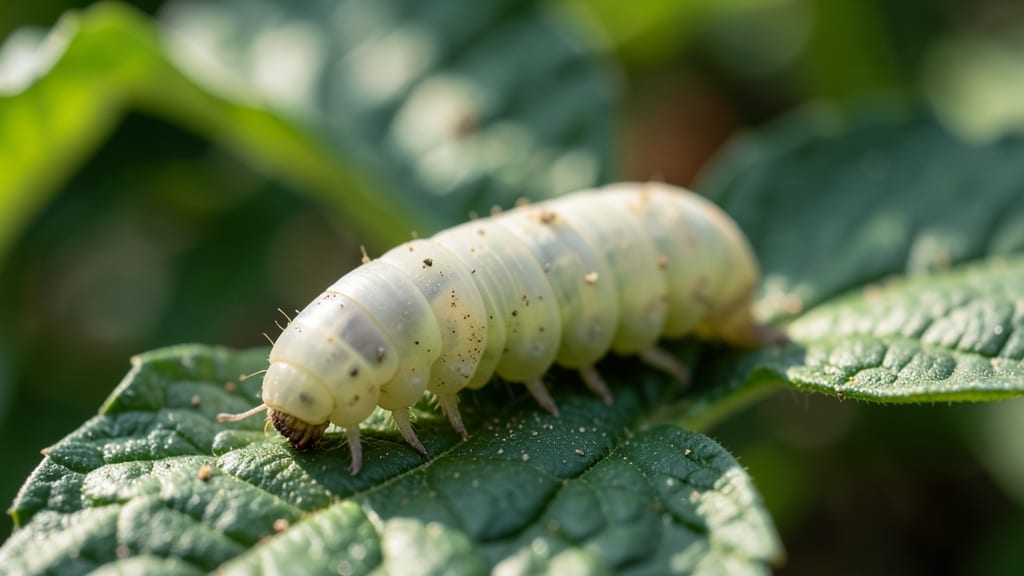
Tomato fruitworm larvae can turn your ripe tomatoes into a worm buffet before you even harvest them. 🌱 I’ve lost entire tomato plants to these sneaky pests, but I’ve also learned how to outsmart them without resorting to harsh chemicals.
The key is understanding their life cycle and acting fast—before they ruin your harvest.
These green caterpillars hatch from eggs laid on tomato leaves and stems, then burrow into fruit, leaving behind dark, squishy trails. They thrive in warm weather, which means summer gardens are their prime target.
The damage isn’t just unsightly—it’s demoralizing when you’ve spent all season growing tomatoes, only to find them riddled with worms.
You can stop them organically with simple, effective methods like handpicking (yes, it’s gross but worth it), using row covers to block adult moths, or applying Bacillus thuringiensis, a natural bacteria that kills larvae without harming other insects. I’ve seen entire gardens saved with these techniques—no chemicals required.
Prevention is just as important: rotate crops yearly, remove plant debris where moths lay eggs, and plant basil or marigolds nearby to repel them. These steps cut down on infestations before they start, so you can enjoy your tomatoes without the wormy surprises.
What Lures These Tiny Invaders
Tomato fruitworm larvae—those sneaky, green caterpillars—don’t just appear out of thin air. Their arrival is a mix of natural attraction, environmental cues, and plant vulnerabilities. Understanding these triggers is the first step to outsmarting them before they turn your tomatoes into a buffet.
Here’s why they show up in your garden and how to disrupt their plans.
Tomato fruitworms aren’t picky eaters, but they have a serious sweet tooth. Female moths lay eggs on or near tomato plants because they’re drawn to the volatile organic compounds (VOCs) emitted by healthy, ripening fruit—think of it as a scent-based dinner invitation.
Once the eggs hatch, the larvae burrow into the fruit, where the sugar-rich flesh is their perfect growing environment.
💡 Pro Tip: If your tomatoes are ripening too fast or look overly lush, they’re sending out stronger signals to moths. Try harvesting slightly green tomatoes and ripening them indoors to reduce outdoor attractants.
When tomato plants are stressed—whether from drought, poor soil, or overcrowding—they become easier targets. Stressed plants produce more sugars and thinner skins, making them both more appealing and easier for larvae to penetrate.
Additionally, moths are more likely to lay eggs in areas where plants are already weakened, as the larvae stand a better chance of survival.
🌡️ Key Signs of Stress:
- Yellowing leaves (nutrient deficiency)
- Wilted or drooping foliage (underwatering)
- Stunted growth (overcrowding or poor soil)
✨ Solution: Ensure your tomato plants have 6–8 hours of sunlight daily, 1–2 inches of water per week, and well-draining soil rich in compost. Prune plants to improve airflow and reduce humidity, which also deters moths.
Tomato fruitworm moths are nocturnal navigators. They use the moon and stars as a guide, flying in straight paths until they detect the scent of tomatoes.
Once they’re close, they switch to windborne pheromones and plant odors to pinpoint the best landing spots—often near the top of the plant or undersides of leaves, where they’re hidden from predators.
🔥 Disrupt Their Flight:
- Install yellow or blacklight traps near your garden to lure moths away.
- Use a fan on low speed near plants at dusk to create wind turbulence, confusing their flight paths.
- Plant basil, marigolds, or dill nearby—their strong scents can mask tomato aromas.
Tomato fruitworms thrive in warm, humid environments. Temperatures between 75–85°F (24–29°C) and high moisture levels speed up their life cycle—from egg to adult moth in just 3–4 weeks. If your garden fits this description, you’re essentially rolling out the red carpet for them.
🎯 Break Their Comfort Zone:
- Use row covers (fine mesh) over plants to block moths while allowing pollination.
- Water plants early in the day so foliage dries quickly, reducing humidity near the soil.
- Encourage natural predators like parasitic wasps and birds by planting neighborhood-friendly flowers (e.g., alyssum, cosmos).
By addressing these root causes—scent attraction, plant stress, moth behavior, and climate preferences—you’ll make your garden a less inviting (and more defended) space for tomato fruitworm larvae. The key is interrupting their cycle early before they get comfortable in your crops.
Natural Ways to Stop Worm Damage
Now that you know why tomato fruitworm larvae invade your garden, it’s time to take action—without relying on harsh chemicals. Below are practical, organic solutions tailored to the most common causes, from early prevention to targeted treatments.
Each method is designed to be easy to implement and effective for home gardeners.
---
The best defense is a strong offense. Stop larvae from finding your tomatoes in the first place with these proactive steps.
#### 🔥 Use Row Covers Early - Why it works: Lightweight floating row covers (made of breathable fabric) block adult moths from laying eggs on your plants. - How to do it: - Install covers before flowers appear (when moths are most active). - Secure edges tightly with soil or bricks to prevent moths from sneaking underneath. - Remove covers during pollination (if hand-pollinating) or when fruits form to allow bees access. - Pro tip: 💡 Use fine mesh (0.6mm or smaller)—larger holes won’t stop tiny moths!
#### 🍳 Plant Trap Crops & Companion Plants - Why it works: Confuse moths with alternative hosts or repel them with strong-smelling companions. - Best trap crops: - Basil (plant near tomatoes—moths prefer it over tomatoes). - Marigolds (emit a scent that deters pests). - Dill or fennel (attracts moths away from your tomato patch). - How to do it: - Plant trap crops 10–15 feet away from tomatoes (not too close, or moths will still find your plants). - Sacrifice the trap crop—let it get infested to protect your tomatoes. - Pro tip: 🌡️ Rotate crops yearly to disrupt moth breeding cycles.
#### 👨🍳 Maintain a Clean Garden - Why it works: Moths lay eggs in debris, fallen fruit, and weeds.
A tidy garden removes hiding spots. - How to do it: - Pick fallen tomatoes daily (larvae hatch in 3–5 days). - Remove plant debris after harvest (compost it far from your garden). - Pull weeds near tomato beds (many weeds host fruitworm moths). - Pro tip: ✨ Freeze or solarize fallen fruit instead of composting—this kills larvae before they pupate.
---
If you’ve already noticed chewed leaves, brown frass (poop), or holes in fruit, it’s time for direct action. These methods disrupt the larvae at different life stages.
#### 🥘 Handpick Larvae (Yes, Really!) - Why it works: Larvae are easy to spot—they’re green, fuzzy, and 1–2 inches long.
Removing them manually stops them from growing. - How to do it: - Check plants at dawn or dusk (larvae are sluggish then). - Drop them in soapy water (1 tsp dish soap per gallon) to kill them instantly. - Wear gloves—some gardeners report skin irritation from larval hairs. - Pro tip: 🎯 Inspect the undersides of leaves and inside fruit clusters—larvae love to hide there!
#### 🔪 Use BT (Bacillus thuringiensis) Spray - Why it works: BT kurstaki is a natural bacteria that only targets caterpillars (including fruitworms) without harming bees, birds, or humans. - How to do it: - Spray in the evening (to avoid harming pollinators). - Reapply every 7–10 days or after rain. - Focus on undersides of leaves where eggs are laid. - Pro tip: 💡 Mix with a little soap (1 tsp per gallon) to help it stick to leaves.
#### 🍅 Prune & Destroy Infested Fruit - Why it works: Larvae pupate inside fruit or soil.
Removing infested tomatoes stops the next generation. - How to do it: - Cut off heavily damaged fruit (don’t leave it on the vine). - Bag and discard (or compost in a sealed bin far from the garden). - Check soil around plants—larvae may drop to pupate. Loosen topsoil and remove any brown, worm-like creatures. - Pro tip: ⏰ Do this in the morning—larvae are less active and easier to spot.
#### 🌙 Disrupt Moths with Light Traps - Why it works: Fruitworm moths are attracted to light.
A simple trap can reduce mating success. - How to make a DIY trap: - Use a white bucket with soapy water. - Place a bright LED light or flashlight inside (or hang a blacklight bulb nearby). - Moths will fly in and drown in the soapy water. - Pro tip: 🌡️ Place traps 10–20 feet from tomato plants for best results.
---
Prevention isn’t just for one season—consistent habits will make your garden less appealing to fruitworms over time.
| Strategy | How to Implement | Why It Works | |----------------------------|-----------------------------------------------|-------------------------------------------| | Crop rotation | Move tomatoes to a new spot every 2–3 years. | Moths rely on finding the same host plant. | | Interplant with garlic | Scatter garlic cloves around tomato bases. | Strong scent repels moths. | | Encourage predators | Attract birds, parasitic wasps, and lacewings. | They eat larvae and eggs naturally. | | Neem oil spray | Apply weekly (mix 1 tbsp neem oil + 1 tsp soap per gallon). | Disrupts egg-laying and larval growth. |
--- Final Reminder: 🌱 Consistency is key—fruitworms are persistent, but combining 2–3 of these methods will give you the best protection. Start with prevention, then monitor and treat** as needed. Your tomatoes will thank you!
Frequently asked questions
How do I know if my tomatoes have fruitworm larvae?
Look for small holes in the fruit or dark brown frass (poop) oozing from them. You may also spot green, fuzzy caterpillars (1–2 inches long) inside tomatoes or on leaves. Check undersides of leaves and fruit clusters—they love hiding there!
Can I still eat tomatoes with fruitworm damage?
Yes, but cut out the damaged areas first. Larvae only infest the fruit, so healthy parts are safe to eat. For severe cases, remove the entire tomato. If you find larvae, drop them in soapy water before composting the fruit.
Why do fruitworm moths keep coming back every year?
Moths return because they’re drawn to tomato plants and warm weather. If you don’t disrupt their life cycle, they’ll keep laying eggs. Use row covers, crop rotation, and cleanup (remove fallen fruit/debris) to break their cycle.
Is Bacillus thuringiensis (BT) safe for other garden pests?
BT kurstaki targets only caterpillars (like fruitworms) and is safe for bees, birds, and humans. It won’t harm beneficial insects like ladybugs or lacewings. Reapply every 7–10 days or after rain for best results.
What’s the fastest way to stop an active infestation?
Combine handpicking larvae (drop in soapy water) with BT spray and removing infested fruit. Check plants at dawn/dusk when larvae are sluggish. For heavy infestations, add row covers immediately to block new moths.