
Vegetables
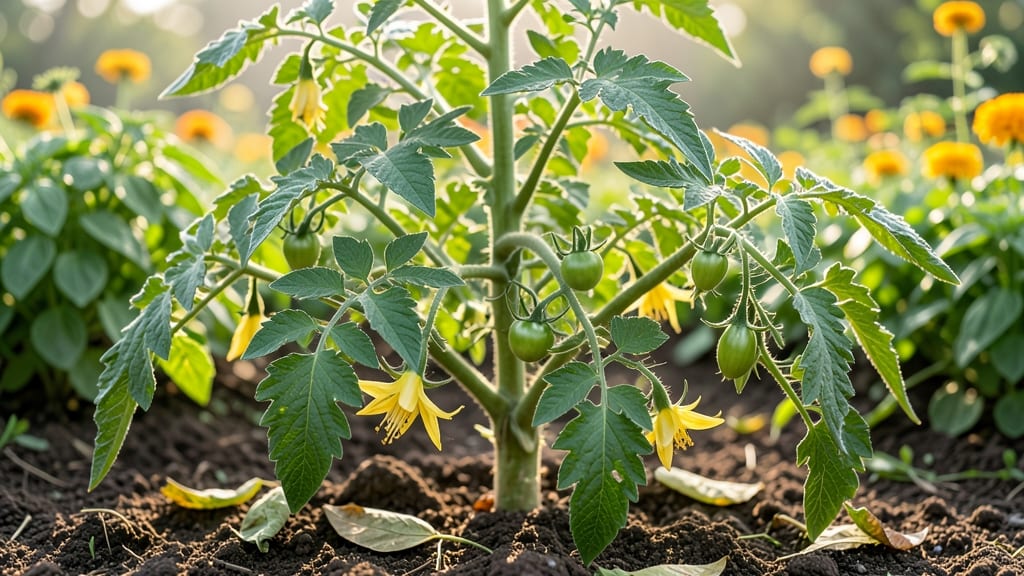
Setting tomato fruit from those perfect-looking flowers is the difference between a bountiful harvest and a sad, empty vine 🍅 — and most gardeners hit a snag here.
Picture this: your tomato plant is thriving, covered in blooms, but the fruits just won’t stick. You’re not alone—this is a common frustration, and the good news is, it’s almost always fixable with the right tweaks.
Whether it’s heat stress, poor pollination, or nutrient gaps, we’ll break down the most likely culprits and how to turn those flowers into plump, juicy tomatoes.
In this guide, you’ll learn how to diagnose why your tomato fruit isn’t setting, from checking temperature ranges to hand-pollination techniques that work even on cloudy days. No more guessing—just actionable steps to get your plants producing like they should.
Ready to save your harvest? Let’s dive into the science and solutions that will have your tomatoes setting fruit like clockwork, no matter what’s been holding them back.
Why your tomato flowers aren’t setting fruit (and how to fix it)
If your tomato plants are covered in beautiful flowers but refuse to produce fruit, you're dealing with a common gardening challenge. The issue often stems from environmental stress, pollination failures, or nutrient imbalances that prevent fruit development.
Understanding these root causes is the first step to restoring a productive harvest.
Tomatoes rely on perfect pollination between male and female flower parts, but even with healthy blooms, factors like temperature swings, lack of bees, or poor soil conditions can disrupt this process.
The good news? Most problems have simple, science-backed solutions that can turn your flower-filled plants into fruit-bearing powerhouses.
Let's start by identifying the most common reasons why your tomato flowers aren't setting fruit, then explore practical fixes for each scenario. The key is acting quickly—once flowers drop without setting, those opportunities are lost forever.
| Issue | Root Cause | Solution | Action Steps |
|---|---|---|---|
| Temperature extremes | Below 55°F or above 95°F | Pollination failure | Use shade cloth; hand-pollinate |
| Poor pollination | Lack of bees/wind | Manual pollination | Gently shake plants or use paintbrush |
| Nutrient deficiencies | Low calcium or phosphorus | Soil amendment | Add crushed eggshells or bone meal |
| Overwatering/underwatering | Root stress | Consistent moisture | Water deeply 1-2x weekly |
| Pest/disease damage | Blossom end rot | Preventative care | Apply mulch and neem oil |
One of the most common culprits is temperature stress. Tomatoes need consistent temperatures between 55°F and 85°F for optimal pollination. When nights dip below 55°F or days exceed 95°F, pollen production slows or stops entirely.
This is especially problematic in early spring or late summer when heatwaves or cold snaps disrupt flowering.
If you're in a hot climate, consider using shade cloth during peak afternoon hours to protect flowers. For cooler climates, use row covers at night to maintain warmth. Even a 5°F difference can mean the difference between fruit set and dropped blossoms.
Another frequent issue is poor pollination, particularly in containers or greenhouses where bees have limited access. Tomatoes are self-pollinating, but they still need movement to transfer pollen. If you notice flowers opening but not setting fruit, try hand-pollination using a small paintbrush to transfer pollen between flowers.
For container-grown tomatoes, this problem occurs more often because wind movement is limited. Place your pots where they'll get gentle breezes, or take 5 minutes daily to shake the plants lightly during flowering. This mimics natural wind pollination and can dramatically improve fruit set rates.
Don't overlook nutrient deficiencies as a potential cause. Tomatoes need adequate phosphorus (for root development) and calcium (for cell walls) during flowering. Yellowing leaves or stunted growth may indicate your plants need a balanced fertilizer with NPK ratio of 5-10-10.
For calcium specifically, try adding crushed eggshells to the soil or use a foliar spray of calcium nitrate.
Finally, check your watering practices. Both overwatering and underwatering can stress tomato plants enough to prevent fruit set. Aim for 1-2 inches of water per week, delivered through deep watering at the base rather than frequent shallow watering.
Mulching with straw or wood chips helps maintain consistent soil moisture and prevents temperature fluctuations that stress roots.
Remember that prevention is key—once flowers drop without setting fruit, those opportunities are gone. By addressing these common issues promptly, you can transform your tomato plants from flower producers into fruit-bearing machines before the season ends.
Step-by-step guide to boost tomato pollination in your garden
If your tomato plants are blooming but not setting fruit, the issue might be pollination problems. Tomatoes rely on bees, wind, or gentle vibrations to transfer pollen. When these fail, flowers drop off without forming fruit.
The good news? You can take control with simple techniques to ensure every flower has the best chance to become a tomato.
First, check your growing conditions. Tomatoes thrive in warm temperatures (70-85°F) and need 6-8 hours of sunlight daily. Extreme heat or cold can prevent fruit set, so monitor your garden’s microclimate.
If your area lacks natural pollinators like bees, you’ll need to step in and help manually. Let’s dive into actionable steps to boost your tomato’s pollination success.
How to Improve Tomato Pollination
-
1
Hand-Pollinate Flowers
Use a soft paintbrush or cotton swab to transfer pollen from male anthers to female stigmas. Gently touch each flower’s center for 2-3 seconds daily during peak bloom. -
2
Shake Plants Gently
Lightly shake tomato plants in the morning when flowers are open. This mimics wind pollination and helps loosen pollen for better transfer. Avoid vigorous shaking to prevent damage. -
3
Plant Pollinator-Friendly Companions
Add bee-attracting plants like basil, marigolds, or borage near tomatoes. These flowers draw bees and hoverflies, which naturally pollinate your crops. Aim for 3-5 companion plants per tomato plant. -
4
Adjust Watering Practices
Avoid overhead watering during bloom, as wet flowers can repel pollinators. Instead, use drip irrigation or water at the base. Keep soil consistently moist but not soggy to support healthy flower development. -
5
Optimize Fertilization
Use a balanced fertilizer (10-10-10) during flowering to avoid excess nitrogen, which promotes leafy growth over fruit. Apply fertilizer every 3-4 weeks and reduce amounts as fruits develop. -
6
Monitor Temperature
Tomatoes struggle to set fruit below 55°F or above 90°F. Use shade cloth during heatwaves and row covers for early-season protection. Ideal temperatures for pollination are 70-85°F.
Don’t forget to remove fallen flowers that aren’t setting fruit. This redirects the plant’s energy toward developing existing tomatoes. With these steps, you’ll see a noticeable improvement in fruit set within 7-10 days. Consistency is key—check your plants daily during peak bloom for best results.
For container-grown tomatoes, hand-pollination is even more critical since wind and bees are less effective. Place pots near flowering herbs to attract pollinators naturally. If you’re growing indoors under grow lights, hand-pollination is a must—use a small fan on low speed near plants to simulate wind.
Pro tip: Prune suckers (the small shoots in the leaf axils) to encourage more fruit-bearing branches. Focus on removing suckers when flowers are present, as this boosts energy toward existing blooms. With patience and these techniques, your tomato plants will reward you with a bountiful harvest this season. 🌱