
Trees
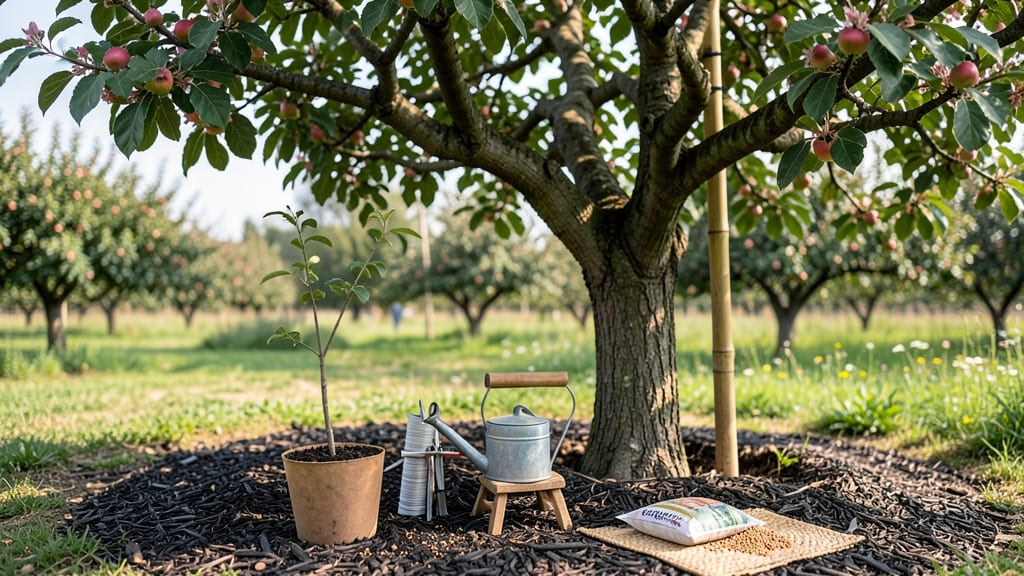
Here are some essential tips for growing fruit trees that unlock the secret to trees bursting with flavor and fruit. 🌳 My first peach tree failed because I ignored its chill-hour needs—until I learned the difference between varieties that thrive in my zone and those that just look pretty. The right tree in the right spot means fewer disappointments and more harvests.
Start with soil that drains well but holds moisture—think crumbly, not clay-heavy. Most fruit trees need full sun, but afternoon shade helps in hot climates. The key is matching your tree’s chill requirements to your winter temps: 200-400 hours below 45°F for peaches, 300-700 for apples.
Skip the guesswork by checking your local extension office’s chill maps.
You’ll know you’ve nailed it when branches sag with fruit by midsummer and neighbors ask where you bought your trees. Prune in late winter to open the canopy, thin fruit in spring to avoid overcrowding, and mulch heavily to keep roots cool.
The payoff? Trees that produce for decades with minimal fuss.
From container-grown dwarfs to full-size orchards, these tips scale easily. Even urban gardeners can grow fruit trees—just pick the right variety and give it space to stretch its roots. Let’s get those trees thriving!
📚 In This Guide
- What you need
- Instructions
- Tips and common mistakes
- Wrapping up and next steps
What you need
- ● Fruit Tree Saplings: Choose varieties suited to your climate (e.g., peach, apple, or plum). Buy from reputable nurseries—look for 1- to 2-year-old bare-root or container-grown trees.
- ● Shovel & Spade: A round-point shovel (for digging) and a flat-edged spade (for soil prep).
- ● Pruning Tools: Pruning shears (for small branches)
- ● Loppers (for thicker branches, 20-24" cutting capacity)
- ● Pruning saw (for stubborn wood, 8-10" blade)
- ● Gloves: Heavy-duty gardening gloves to protect hands from thorns and sap.
- ● Mulch: 3-4 inches of organic mulch (wood chips, straw, or pine bark) to retain moisture.
- ● Fertilizer: A balanced, slow-release fertilizer (e.g., 10-10-10 NPK) or compost for organic growth.
- ● Watering Can or Hose: A 5-gallon watering can or soaker hose for deep root hydration.
- ● Tree Stake & Ties: 1-2 stakes per tree (if needed for support) and soft tree ties (not wire!).
- ● Soil pH Test Kit: Ensures your soil is ideal for your fruit tree (e.g., apples prefer 6.0-7.0)
- ● Drip Irrigation System: Saves time and water with automated, slow-release hydration.
- ● Tree Guards: Protect young trees from deer or rodents with wire mesh or plastic collars.
- ● Chill-Hour Tracker: A digital thermometer to monitor winter chilling for stone fruits.
- ● Pest Control: Neem oil or horticultural oil for organic pest prevention.
Step-by-step guide to mastering chill hours for fruit trees
Here’s how to ensure your fruit trees thrive by matching varieties to your climate’s chill hours.
🌱 Step 1: Determine Your Local Chill Hours
Chill hours are the number of hours below 45°F your area experiences during winter. Check your USDA hardiness zone or use a local weather service to find this number. For example, 300-500 chill hours suit peaches and cherries, while 700+ hours are needed for apples and pears. If you’re unsure, plant a variety labeled as "low-chill" for warmer climates.
Real talk: I once planted a high-chill apple tree in a low-chill zone—it bloomed beautifully but never produced fruit. Always verify before buying. Use a simple online chill-hour calculator to cross-check your location if needed.
☀️ Step 2: Select the Right Tree Varieties
Match your chill hours to the tree’s requirements. For example, 600-800 chill hours work well for standard apple varieties like 'Gala' or 'Fuji,' while 300-400 hours suit low-chill peaches like 'Redhaven.' Nurseries often label varieties with their chill-hour needs, so read the tags carefully.
If you’re in a borderline zone, opt for semi-dwarf trees—they’re easier to manage and can sometimes adapt better than full-sized varieties. I’ve had success with 'Honeycrisp' apples in a 650-chill-hour zone by choosing a semi-dwarf rootstock.
🪴 Step 3: Plant at the Correct Time
Plant bare-root trees in late winter or early spring, just before buds swell but before new growth begins. Container-grown trees can be planted year-round, but avoid extreme heat or frost. Dig a hole twice as wide as the root ball but only as deep—planting too deep can suffocate the roots.
Water deeply after planting to settle the soil and remove any air pockets. Mulch around the base with 2-3 inches of organic mulch (like wood chips) to retain moisture and regulate soil temperature. This step is critical—skipping it can lead to poor root establishment.
⏰ Step 4: Monitor and Adjust for Climate Shifts
Keep track of your local chill hours each winter using a simple thermometer or weather app. If you notice a trend of fewer chill hours over time (due to climate change), consider switching to a lower-chill variety in future plantings. Some nurseries now offer "climate-adapted" varieties specifically bred for shifting conditions.
For established trees, prune in late winter to shape the canopy and encourage airflow. Remove any dead or crossing branches, but avoid heavy pruning—you want to preserve the tree’s energy for fruit production. I prune mine just before buds break, and it’s made a noticeable difference in yield.
🌿 Step 5: Support Pollination and Soil Health
Most fruit trees require cross-pollination, so plant at least two compatible varieties close together. Bees and other pollinators thrive in diverse gardens, so add flowering plants nearby to attract them. For example, lavender and clover make great companions for fruit trees.
Fertilize in early spring with a balanced 10-10-10 formula to support new growth. Test your soil annually—fruit trees prefer a slightly acidic soil (pH 6.0-7.0). Amend with compost or sulfur if needed. Healthy soil means healthier trees, and that’s the foundation of a great harvest.
Tips & tricks for perfect fruit tree growth
A few simple strategies can transform your fruit tree from struggling to thriving—especially when it comes to chill hours and climate matching.
Variety Selection Tip: When choosing between standard and semi-dwarf trees in borderline chill zones, opt for semi-dwarf varieties like 'Honeycrisp' apples—they're more adaptable and produce fruit faster. I've seen semi-dwarfs thrive in 650-chill-hour zones where full-size trees would fail. The smaller size also makes them easier to manage and harvest.
Planting Precision: The hole you dig should be twice as wide as the root ball but only as deep as the root system itself. Too deep, and you'll suffocate the roots; too shallow, and they won't establish properly. After planting, water deeply to eliminate air pockets—this is non-negotiable for root health. I always check for settled soil before mulching.
Chill Hour Tracking: Use a simple weather app or outdoor thermometer to monitor your local chill hours each winter. If you notice your area consistently falls short of a tree's requirements (like the 600-800 hours needed for standard apples), consider switching to a lower-chill variety. Some nurseries now offer climate-adapted varieties specifically bred for shifting conditions.
Pruning Timing: Late winter pruning—just before buds break—is crucial for shaping your tree's canopy. Remove only dead or crossing branches; avoid heavy pruning that could stress the tree. I prune mine when the temperature consistently stays above 45°F but before any new growth appears, and it's made a noticeable difference in yield.
Pro Tips for Tips For Growing Fruit Trees
- A few simple strategies can transform your fruit tree from struggling to thriving—especially when it comes to chill hours and climate matching.
- Variety Selection Tip: When choosing between standard and semi-dwarf trees in borderline chill zones, opt for semi-dwarf varieties like 'Honeycrisp' apples—they're more adaptable and produce fruit faster.
- Planting Precision: The hole you dig should be twice as wide as the root ball but only as deep as the root system itself.
Frequently asked questions
Got questions about growing fruit trees? You’re not alone! Here are some of the most common queries—plus straightforward answers to help you succeed.
How do I know if my fruit tree variety needs chill hours?
Check the tree’s label or variety description—most fruit trees (like peaches, apples, and cherries) list their chill-hour requirement (e.g., 400–1,000 hours below 45°F). If you’re unsure, research your local climate zone or consult a local nursery. Pro tip: Use a chill-hour calculator to estimate your area’s suitability!
Can I grow fruit trees in warm climates without chill hours?
Opt for low-chill varieties like ‘Tropicana’ peaches (200–300 hours) or ‘Satsuma’ mandarins (100–200 hours). Alternatively, try tropical fruits like citrus, figs, or avocados—just ensure they fit your hardiness zone. Bonus: Some trees (like persimmons) adapt to partial chill hours with careful pruning!
What’s the best way to protect my young fruit tree from pests?
Start with prevention: Use row covers for early pests, apply neem oil or insecticidal soap, and keep the area weed-free. For common culprits like aphids or borers, introduce beneficial insects (ladybugs, lacewings) or prune infected branches immediately. Remember: Avoid harsh chemicals—organic methods work best for long-term health!
How often should I fertilize a fruit tree, and when is the best time?
Fertilize twice a year: Once in early spring (before buds swell) with a balanced 10-10-10 or fruit-specific formula, and again in late summer (after harvest) with a low-nitrogen option. Key rule: Never fertilize in winter—it encourages tender new growth that’s vulnerable to frost!
Why aren’t my fruit trees bearing fruit, even after years of growth?
Common culprits include lack of pollination (plant two compatible varieties), inadequate chill hours, over-pruning (leave some fruit wood!), or nutrient deficiencies (test soil pH). Quick fix: Hand-pollinate with a small brush if bees are scarce, or adjust your pruning to encourage flowering spurs.
Can I move an established fruit tree to a new location?
Moving mature trees is risky, but possible if done carefully. Best time: Late winter/early spring (dormant season). Dig a wide trench around the root ball, lift gently, and replant immediately. Warning: Transplant shock can stress the tree—water deeply for 2+ weeks and avoid heavy pruning afterward!
Wrapping up and next steps
Growing fruit trees is a rewarding journey that combines patience, care, and a little scientific know-how—especially when it comes to chill hours. By choosing the right varieties for your climate, providing proper soil and sunlight, and staying consistent with watering and pruning, you’ll set your trees up for success.
Remember, even the most experienced gardeners started somewhere—so don’t be discouraged by early challenges!
Now that you’re armed with these tips, take the next step: plant that first tree or expand your orchard this season! Whether you’re a beginner or a seasoned grower, every harvest will taste even sweeter knowing you’ve nurtured it with love. Happy gardening! 🌱🍏