
Shrubs
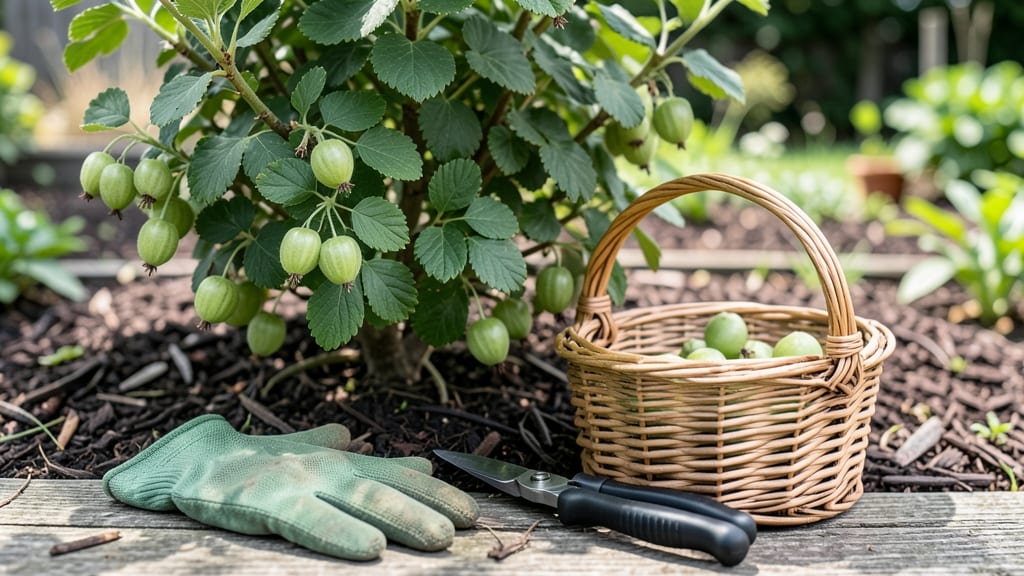
Growing small green fruits like gooseberries and currants in containers is easier than you think—these compact varieties thrive in pots and small spaces. 🌱 I planted mine last spring, and within months, they were heavy with fruit, proving that you don’t need a backyard to enjoy a harvest.
The key is choosing the right varieties and matching them to your sunlight and space. These fruits love well-draining soil and at least 6 hours of sun daily, but they’re forgiving about the rest. Prune them lightly after harvest to encourage bushier growth, and water consistently—especially during fruit set.
My plants produced pounds of berries their first year, and the birds never touched a single one (until I added netting, that is). You’ll know they’re ready to pick when the fruit plumps up and turns a deeper green—harvesting early keeps them tart and perfect for jams or fresh eating.
The biggest challenge? Keeping pests and diseases at bay, but a balanced fertilizer and good airflow go a long way. Perfect for balconies, patios, or small yards—these fruits are low-maintenance, productive, and delicious. Let’s get those plants growing!
Why Fruits Stay Tiny & Green
Understanding why your compact fruit plants produce small, green fruits—rather than plump, ripe ones—boils down to a mix of biological triggers and environmental mismatches. While these pint-sized varieties are bred for containers and limited spaces, they still need precise conditions to thrive.
Let’s break down the real culprits behind this common frustration.
---
Small, green fruits often signal a pollination failure, where flowers aren’t fertilized properly.
Even self-pollinating varieties (like dwarf tomatoes or peppers) can struggle if: - Bees or wind are absent: Urban containers or enclosed patios may lack pollinators. 🐝 Solution: Hand-pollinate with a soft brush or gently shake plants during bloom. - Flowers drop early: Overwatering, root stress, or extreme temps can cause flowers to abort before pollination. 💦 Solution: Ensure even moisture and avoid overcrowding roots.
Pro Tip: 🔍 If flowers appear but fruits stay tiny and green, inspect for sticky pollen—a sign pollination did happen but fertilization failed. Try a second round of hand-pollination.
---
Fruits need sunlight to ripen—without it, they’ll stay green and underdeveloped. Compact varieties often get outcompeted for light in shared spaces.
Check for: - Partial shade: Even "sunny spots" can be misleading if nearby structures cast shade. ☀️ Solution: Rotate containers every few weeks for even exposure. - Overhead foliage: Bushy growth (like basil or squash) can block light from reaching fruit clusters. ✂️ Solution: Prune aggressively to open the canopy.
Warning: 🌡️ Heat stress (temps >90°F) can also stall ripening—use shade cloth if your climate swings extreme.
---
Fruits are sink organs—they demand resources, and if the plant is stressed, growth stalls.
Common triggers: - Overwatering: Soggy soil leads to root rot, cutting off nutrient flow to fruits. 💧 Solution: Use well-draining soil (add perlite or vermiculite) and water only when the top inch is dry. - Nitrogen overload: Too much fertilizer (especially high-N) promotes leafy growth at the expense of fruit. 🌿 Solution: Switch to a balanced 5-10-10 or fruit-specific fertilizer once flowers appear. - Calcium deficiency: Green, blotchy fruits may signal blossom-end rot (common in tomatoes/peppers). 🥔 Solution: Add crushed eggshells or calcium nitrate to soil.
Quick Fix: 🌱 Foliage sprays with seaweed extract can boost stress resilience during fruiting.
--- Fruits won’t ripen if temps are too hot or too cold: - Cold snaps (<50°F): Stunt ethylene production (the ripening hormone). ❄️ Solution: Move containers to a sheltered spot or use row covers. - High heat (>85°F): Causes sunscald (white/yellow patches) or fruit drop. 🔥 Solution: Use reflective mulch or drip irrigation to cool roots.
Humidity matters too: Low humidity (common in arid climates) can cause cracking or poor development. 💦 Solution: Mist plants lightly or group containers to retain moisture.
--- Compact varieties are bred for small spaces, but too little room triggers survival mode—prioritizing roots/leaves over fruit.
Watch for: - Root-bound pots: Roots circling the container edge starve the plant. 🪴 Solution: Upgrade to a 1-gallon pot minimum (or prune roots if repotting isn’t an option). - Weedy neighbors: Competing plants (like mint or grass) steal nutrients. 🌱 Solution: Mulch heavily and remove invasive ground covers.
Container Hack: 🔄 Succession planting—replace fast-growing greens (like lettuce) with fruiting plants to maximize space efficiency.
--- Unseen pests or pathogens can divert energy from fruit development: - Aphids/spider mites: Sap-sucking pests weaken vines, leading to stunted fruit. 🐜 Solution: Spray with neem oil or introduce ladybugs. - Powdery mildew: Fungal infections block sunlight, keeping fruits green. 🍄 Solution: Improve airflow and apply sulfur-based fungicides preventatively.
Early Sign: 🚨 Yellowing leaves or sticky residue (honeydew) often precede fruit issues.
--- Some dwarf varieties are bred for flavor, not size—their small fruits are intentional!
Check your plant’s traits: - Cherry tomatoes (e.g., ‘Tiny Tim’) stay small naturally—don’t expect beefsteak-sized yields. - Peppers (e.g., ‘Lunchbox’) prioritize early harvests over giant pods. - Blueberries (e.g., ‘Top Hat’) need acidic soil—if pH is off, fruits won’t develop properly. 📊 Solution: Test soil (ideal pH: 4.5–5.5) and amend with sulfur if needed.
Key Question: Are your fruits genetically tiny or underperforming? Compare to variety descriptions!
Fixing Common Tiny Fruit Issues
Growing small green fruits in containers or sunny spots can be incredibly rewarding, but sometimes they face challenges like stunted growth, pests, or poor yields. The good news?
Most issues have simple, practical fixes. Below, we’ll break down the most common problems and how to solve them—plus tips to keep your tiny fruit plants thriving long-term.
---
Cause: Roots outgrowing their container or competing for space. Fix: 1. Check the roots 🔍—Gently remove the plant from its pot and inspect the root ball. If roots are circling or densely packed, it’s time to act. 2. Trim excess roots ⏰—Use clean pruning shears to snip any tangled or overly long roots (about 1/3 of the total). 3. Upgrade the pot 🏺—Choose a container 1–2 inches larger in diameter with drainage holes. Terracotta or fabric pots work well for airflow. 4. Refresh the soil 🌿—Mix in compost or organic matter (like worm castings) to improve drainage and nutrition.
💡 Prevention Tip: Repot every 1–2 years or when roots emerge from drainage holes. For dwarf varieties, smaller pots (like 5–10 gallons) often suffice—just ensure they’re not too cramped.
---
Cause: Leggy growth, pale leaves, or tiny, underripe fruits. Fix: 1. Assess sunlight 📏—Most small green fruits (like dwarf citrus, figs, or olives) need 6–8 hours of direct sun daily. If your spot gets <4 hours, it’s likely the culprit. 2. Move the plant 🪑—Relocate to a sunnier windowsill, balcony, or patio. South- or west-facing spots are ideal in the Northern Hemisphere. 3. Use grow lights 💡—If outdoor space is limited, supplement with full-spectrum LEDs (12–16 hours/day) for indoor plants. 4. Rotate the pot 🌀—Every few days, turn the plant slightly to ensure even light exposure.
🌡️ Prevention Tip: If moving isn’t an option, choose shade-tolerant varieties like dwarf Meyer lemon or ‘Little Gem’ figs, which handle partial shade better.
---
Cause: Aphids, spider mites, or whiteflies sucking sap or stunting growth. Fix: 1. Identify the pest 🔍—Check undersides of leaves and stems. Common culprits: - Aphids (tiny green/black clusters) - Spider mites (fine webbing) - Whiteflies (tiny white moths when disturbed) 2. Blast them off 💦—Spray plants with a strong stream of water to dislodge pests. 3. Neem oil spray 🌿—Mix 1 tsp neem oil + 1 tsp mild soap + 1 quart water. Spray every 5–7 days until pests vanish. 4. Introduce beneficial insects 🐞—Ladybugs or lacewings eat aphids naturally. Buy them online or attract them with dill or fennel plants nearby.
✨ Prevention Tip: Inspect new plants before bringing them home. Quarantine for 2 weeks to catch hitchhikers early. Also, prune regularly to improve airflow and deter pests.
---
Cause: Overwatering (root rot) or underwatering (dry, shriveled fruits). Fix: 1. Check soil moisture 👆—Stick your finger 1–2 inches deep. If dry, water; if soggy, wait. 2. Water deeply but less often 💧—Containers dry out faster! Water until it drains from the bottom, then empty the saucer to prevent rot. 3. Adjust for season ⏳—In summer, water every 2–3 days; in winter, every 1–2 weeks. 4. Use mulch 🌾—Add a 1-inch layer of straw or bark to retain moisture and regulate temperature.
🎯 Prevention Tip: Group containers together to create a microclimate that retains humidity. Avoid saucers without drainage—root rot is the #1 killer of potted fruits!
---
Cause: Yellow leaves, slow growth, or poor fruit development. Fix: 1. Test your soil 📊—Use a DIY pH test kit (ideal range: 6.0–7.0 for most small fruits). 2. Add balanced fertilizer 🌱—Use a 10-10-10 or 5-5-5 formula (NPK) every 4–6 weeks during growing season (spring–fall). 3. Boost with compost tea 🍄—Brew 1 cup compost + 5 gallons water, steep for 24 hours, and dilute to 1:10 before watering. 4. Target-specific deficiencies: - Yellow leaves? → Iron chelate (for chlorosis). - Small fruits? → Calcium (eggshell tea) or potassium (banana peel water).
💡 Prevention Tip: Feed lightly in winter—most small fruits are dormant. Over-fertilizing can burn roots!
--- Cause: Overgrowth, weak structure, or too many fruits stressing the plant. Fix: 1. Prune in late winter/early spring ⏰—Remove dead, crossing, or inward-growing branches. 2. Thin out fruits 🍈—If overloaded, snip half the fruits to leave 6–12 inches between each (prevents overburdening).
3. Shape the plant ✂️—Encourage an open vase shape for airflow. Cut back 1/3 of the oldest stems annually to rejuvenate growth. 4. Sanitize tools 🧼—Wipe pruners with rubbing alcohol between cuts to prevent disease.
🌟 Prevention Tip: Prune regularly (every 3–6 months) to avoid sudden, drastic cuts. Dwarf varieties need less aggressive pruning—focus on shaping!
--- Cause: Fungal (like powdery mildew) or bacterial infections (e.g., citrus canker). Fix: 1. Isolate the plant 🏚️—Move it away from others to prevent spread. 2. Remove infected parts ❌—Trim yellowing leaves, spots, or mushy stems with sterilized shears.
3. Apply fungicide 🍄—Use copper spray (for bacterial issues) or baking soda mix (1 tsp baking soda + 1 quart water + a drop of soap) for fungal problems. 4. Improve airflow 🌬️—Space plants 12+ inches apart and avoid overhead watering.
🔥 Prevention Tip: Water at the base (not leaves) and avoid wetting foliage in humid climates. Dwarf varieties are less prone to disease but still need airflow!
--- Keep a simple schedule to stay ahead: | Season | Task | Frequency | |-------------|-----------------------------------|---------------------| | Spring | Fertilize, prune, repot if needed | Every 4–6 weeks | | Summer | Water deeply, watch for pests | 2–3x per week | | Fall | Reduce watering, harvest | As needed | | Winter | Minimal water, no fertilizer | Every 2–3 weeks |
--- By tackling these issues head-on, your small green fruits will thrive in containers or sunny spots with minimal fuss. Remember: prevention is key—regular checks and small adjustments save big headaches later! 🌿✨
Frequently asked questions
What are the best small green fruits for beginners?
Start with easy varieties like gooseberries, currants, or cherry tomatoes—they thrive in containers and need minimal care. Dwarf citrus (like Meyer lemons) and blueberries (e.g., 'Top Hat') are also great choices for small spaces. These plants handle pruning well and produce fruit within 1-2 years.
How do I know when small green fruits are ready to harvest?
Look for plump, firm fruits that easily detach from the vine. For gooseberries, they should be deep green and glossy—harvesting too early makes them tart. Cherry tomatoes turn from green to pinkish-red at the bottom when ripe. Always pick in the morning for best flavor.
Why are my small green fruits staying tiny and green?
This usually means pollination failed or the plant lacks sunlight. Try hand-pollinating flowers with a soft brush, or move plants to a sunnier spot (6+ hours of direct light daily). Overwatering or root-bound pots can also stunt growth—check soil moisture and upgrade containers if needed.
Can I grow small green fruits indoors?
Yes! Choose compact varieties like dwarf citrus or bush beans and place them near a south-facing window (or use grow lights for 12-16 hours/day). Use well-draining pots with drainage holes and rotate plants weekly for even light exposure. Humidity trays help prevent leaf drop.
How do I prevent birds from eating my small green fruits?
Cover plants with fine netting (like bird netting) once fruits appear. For delicate plants, try myth buster tape or reflective tape around containers—birds dislike the noise and movement. Harvest fruits as soon as they ripen to stay ahead of hungry visitors.